
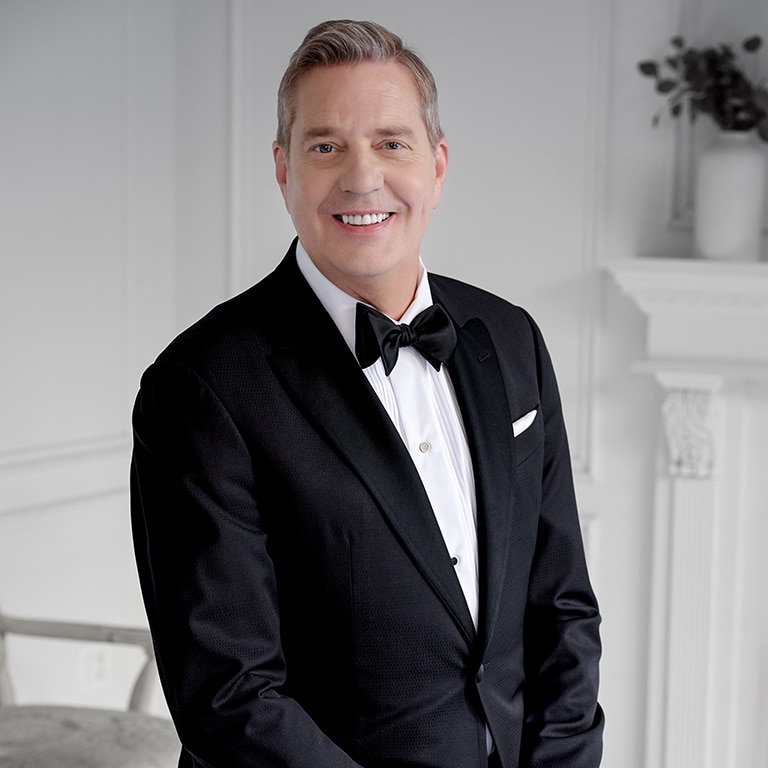
Irish orchestra provides a little night music

03.08.08
Camerata Ireland , Barry Douglas
Worcester Telegram & Gazette

Amadeus, we hardly knew ye.

Actually, most classical music fans would probably recognize a boilerplate piece like Mozart’s “Eine Kleine Nachtmusikm,” which opened Thursday night’s concert by the Camerata Ireland in Tuckerman Hall.

What we didn’t know was how superbly this oh-so-Irish chamber orchestra could help us appreciate anew some of the repertoire’s old standards.

So it was a little night music, followed closely by a breakthrough piano concerto again from Mozart, punctuated by some darker but more visceral Slavic dirges, topped off by Tchaikovsky’s “Serenade for Strings,” a sweeping, Romantic homage to Mozart, who was Tchaikovsky’s idol.

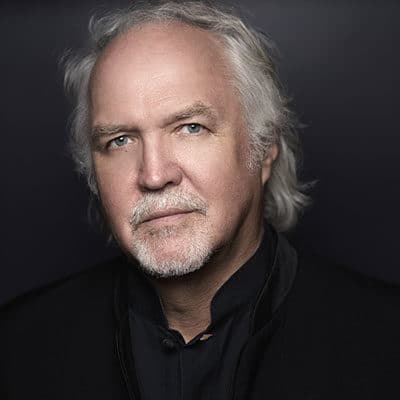
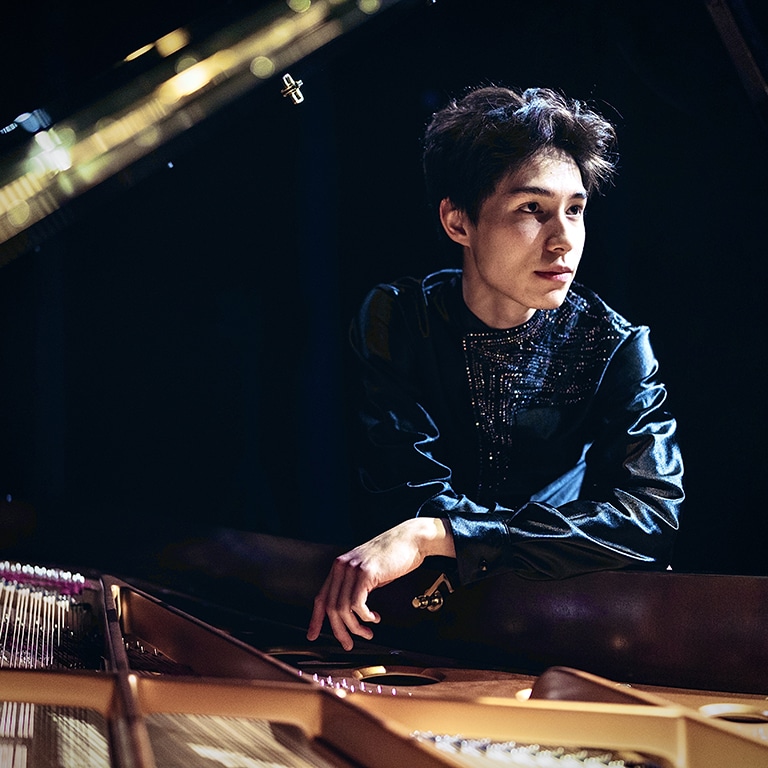
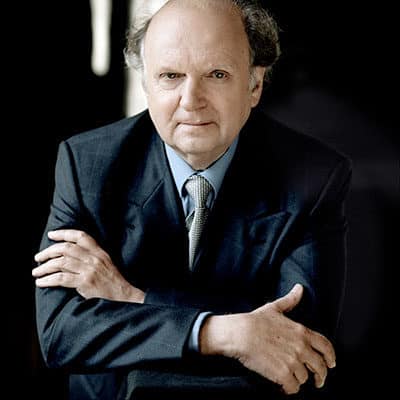
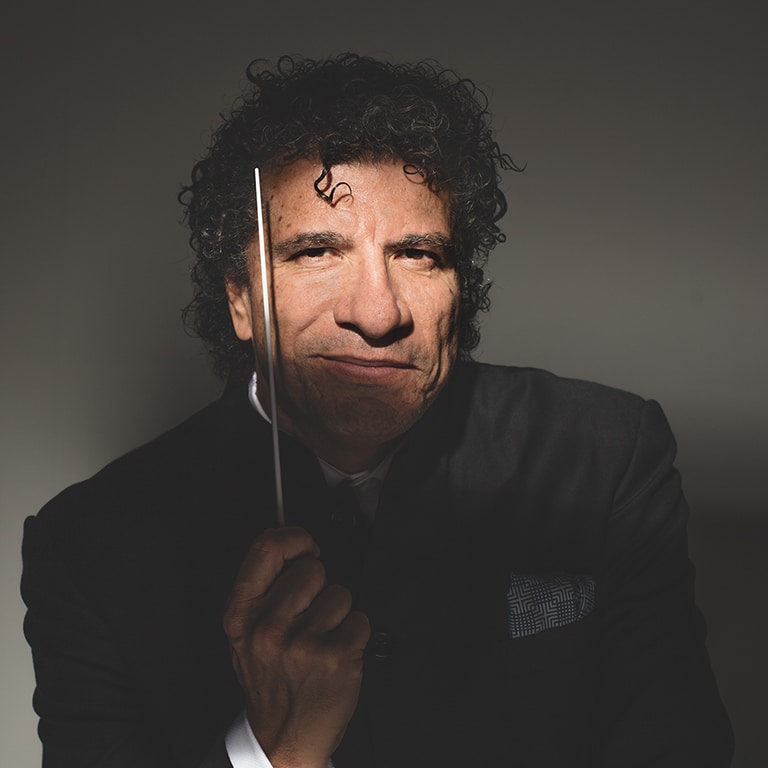
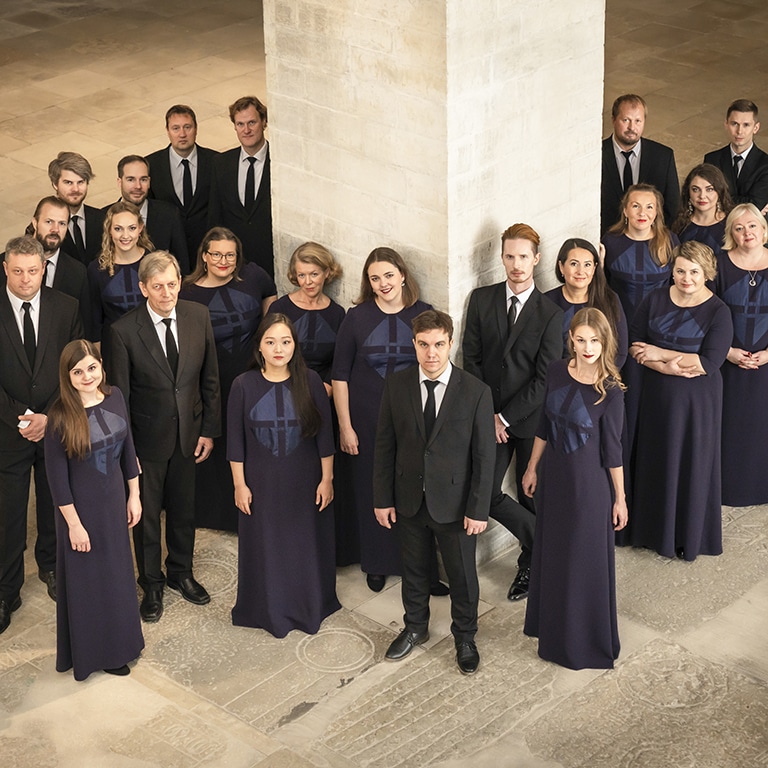
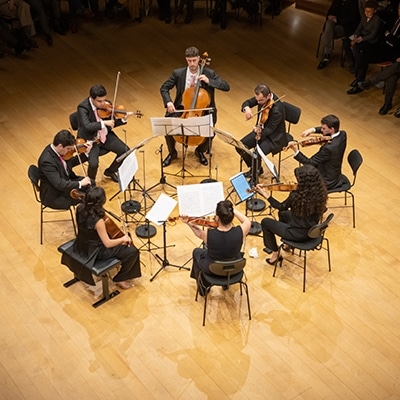
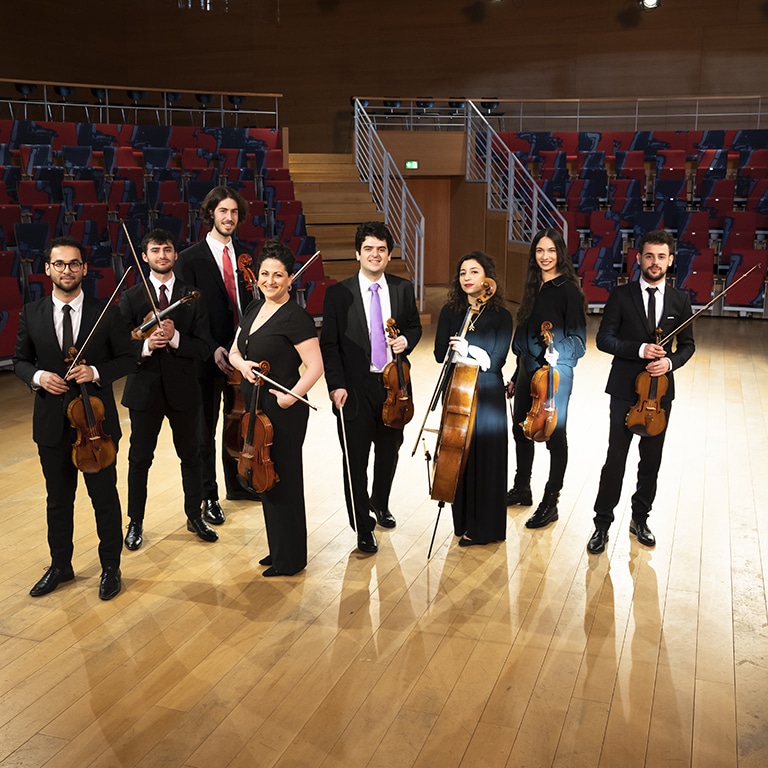
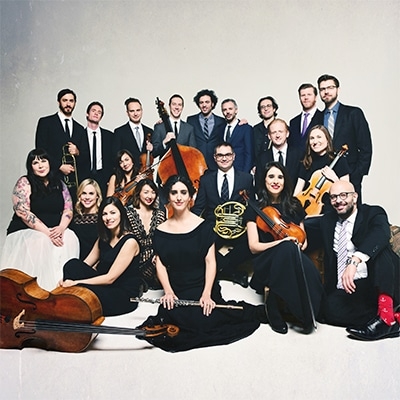
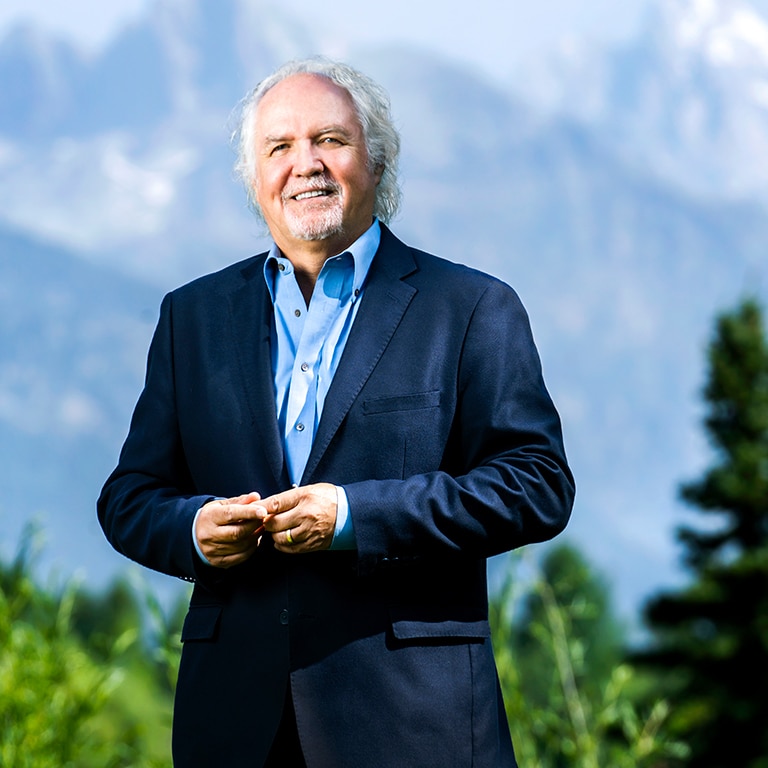
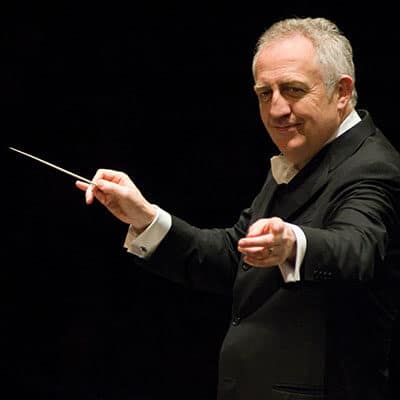
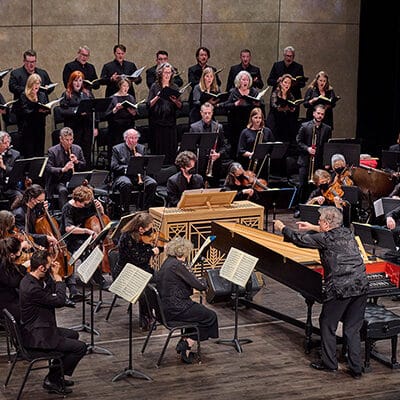
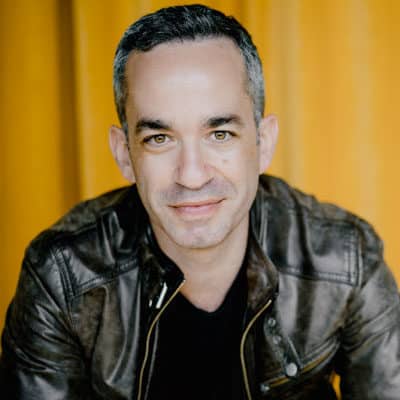
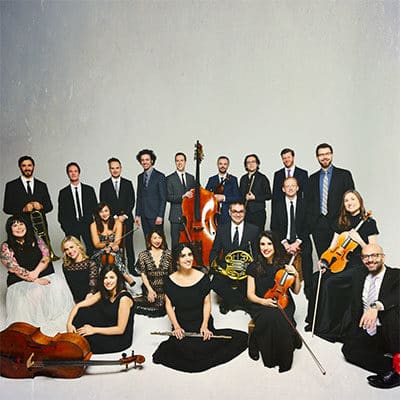
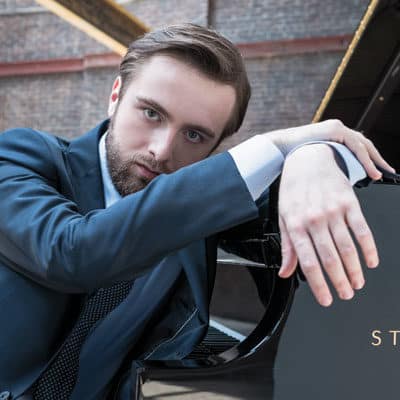
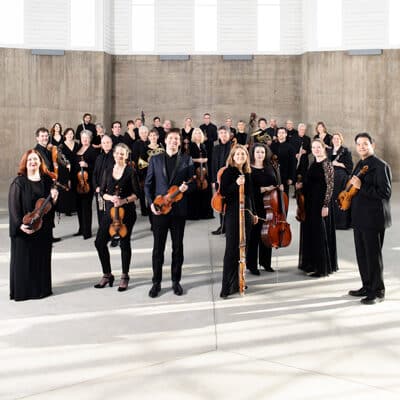
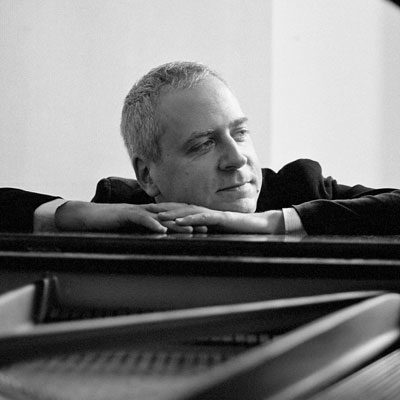
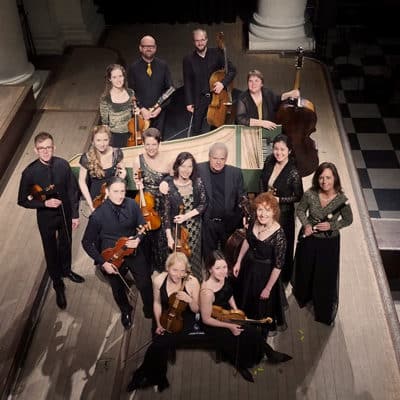
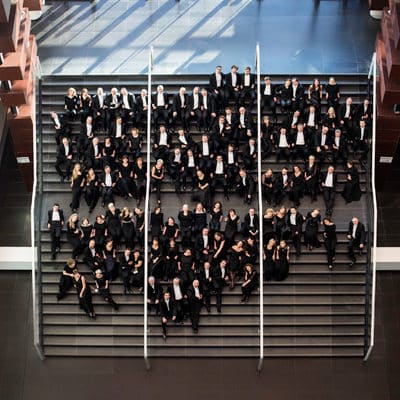
Thursday’s concert, presented by Music Worcester, marked the beginning of a new North American tour for Camerata Ireland, which was founded by Barry Douglas, the group’s conductor and artistic director. The orchestra is just what its title implies, a peculiarly national group (no non-Irish need apply) intended as much to instill national pride as perform beautiful music. Douglas is best known as a brilliant pianist, in a sense, Ireland’s Van Cliburn because he is the only other non-Russian to have won the gold medal at the Tchaikovsky International Piano competition, although Douglas is hardly so reclusive.

It has been said that aside from its musical brilliance, the instinctive appeal of “Eine Kleine Nachtmusik” stems from Mozart’s understanding that life’s really important events unfolded either on the battlefield or in the boudoir. Hence its idiosyncratic structure — a romance sandwiched between martial fanfares and a minuet as sort of an afterglow. The melody of the second movement might just be the most familiar of all background music after the “Spring” movement of Vivaldi’s “Four Seasons,” yet it never fails to strike an emotional chord.

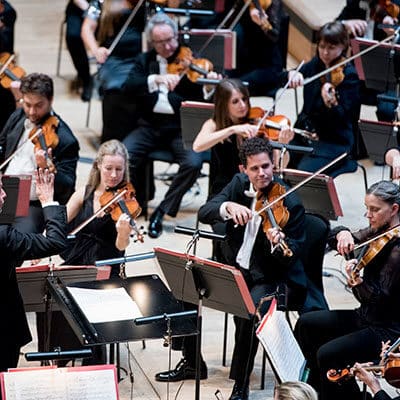
That chord got severed with the second piece on the program, Prokofiev’s Andante for String Orchestra, and a little later with Sibelius’ Romance for string orchestra in C major, which opened the second half of the program. Both pieces are ethereal, meditative and of course distinctly more melancholy than Mozart’s music and like all good orchestras, Camerata Ireland moved seamlessly between them.

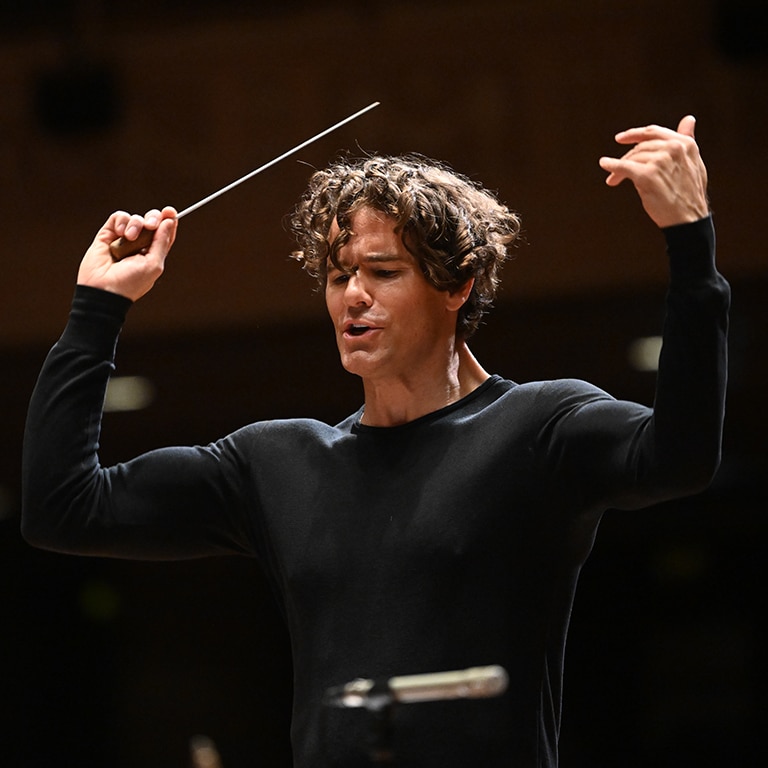
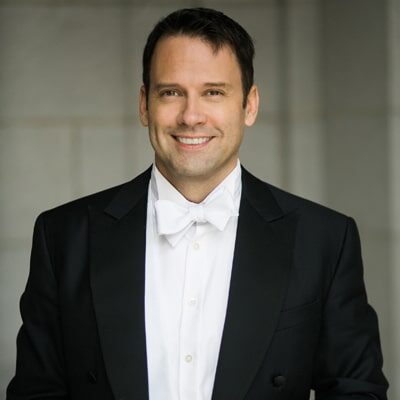
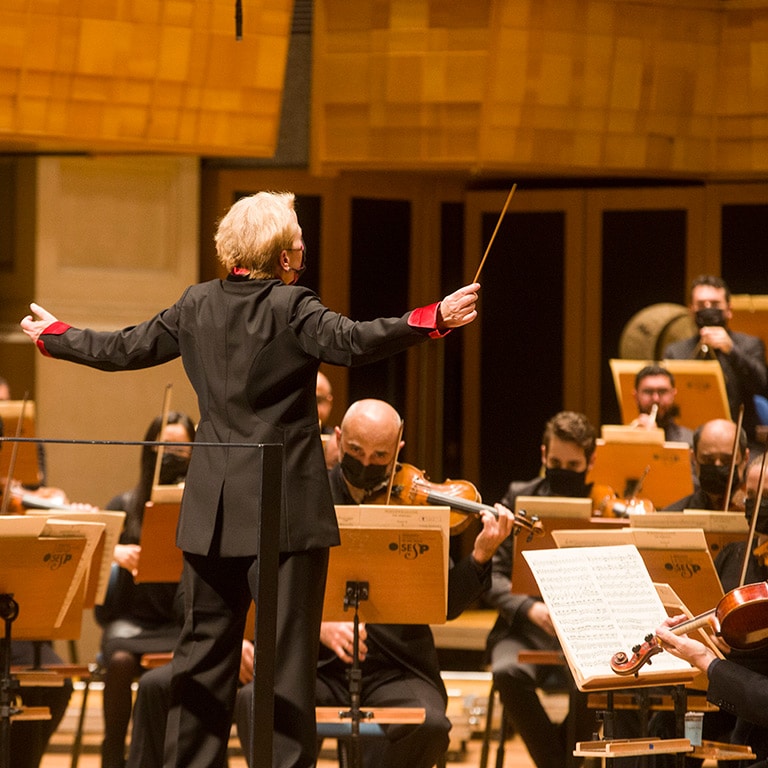
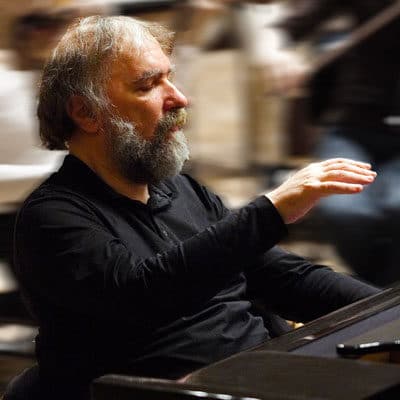
This menu of serenades, romances and andantes exclusively for strings was suspended for the concert’s centerpiece, Mozart’s Piano Concerto No. 14 in E-flat major, which showcased Douglas’ riveting versatility. He is an eminently gifted musician with an easy charm and the charisma of a rock star. Watching him simultaneously conduct the orchestra and perform as a piano soloist has to be one of the unique pleasures of the concert hall. With the piano smack dab in the middle of all those string players and his back to the audience, Douglas was in total control as he performed the piece from memory. When his hands weren’t flying over the keyboard, they were gesticulating gracefully in the air, in either case inspiring just the right phrasing from both the piano and the orchestra.

And what better way to tie the concert’s themes together than Tchaikovsky’s Serenade for Strings in C Major? Elegant, charming and elegiac, it read like an amalgam of intrinsic, breathless beauty that referenced Mozart‘s grace with the soaring atmosphere of the Russian Romantics. For my money this was the best part of the program and the orchestra played it to perfection.

Considering that the entire universe is currently teetering on the brink of St. Patrick’s Day observances, you could hardly blame this orchestra for reveling a bit in its musical heritage. “You might recognize this,” Douglas said through an impish grin just before the orchestra launched into its encore of “Danny Boy,” a symphonic rendition embracing at once the sweep of Tchaikovsky’s Serenade, the warmth of Mozart and the twinkle in Douglas’ eye