


- 10.01.10
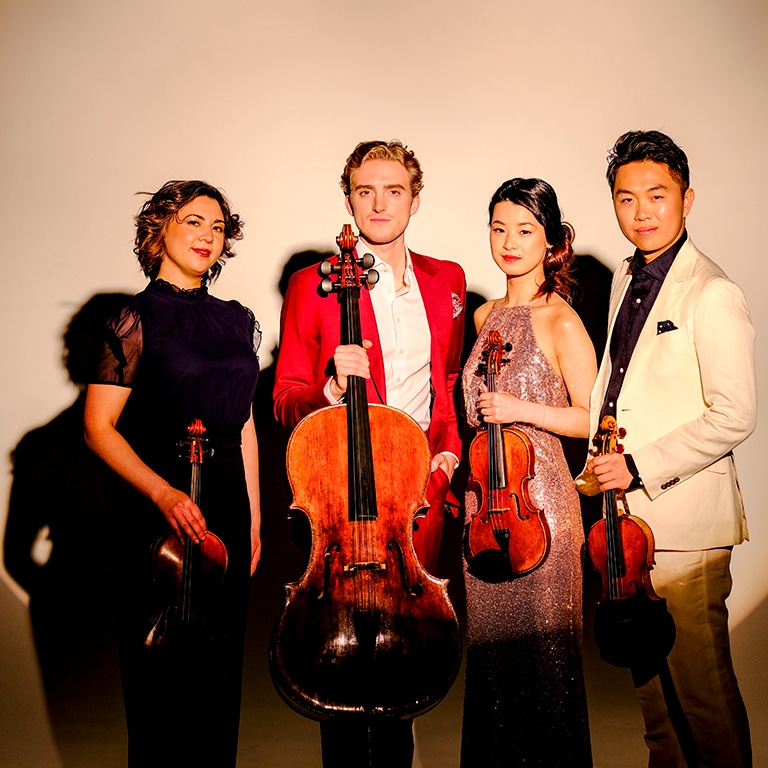
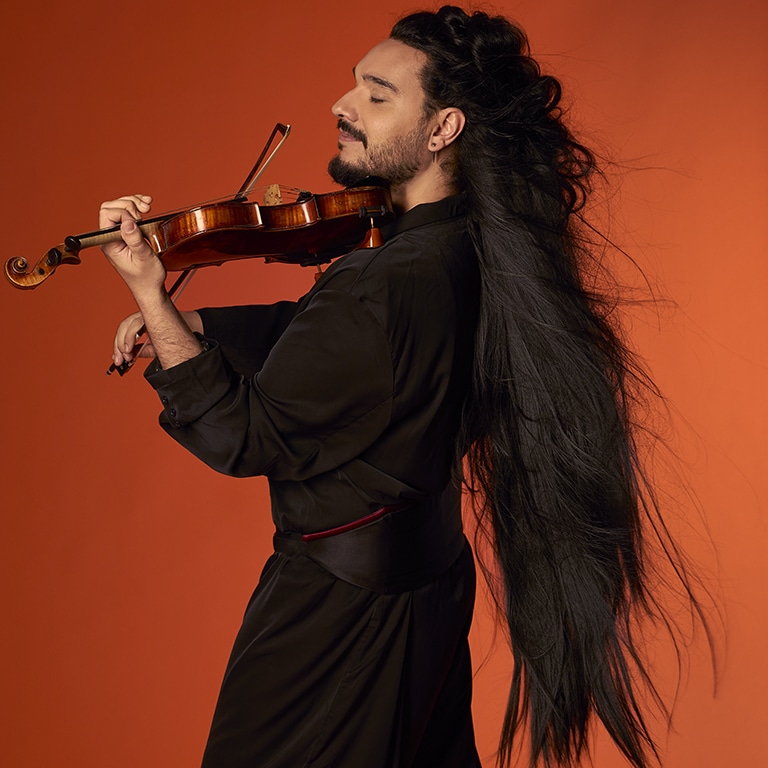
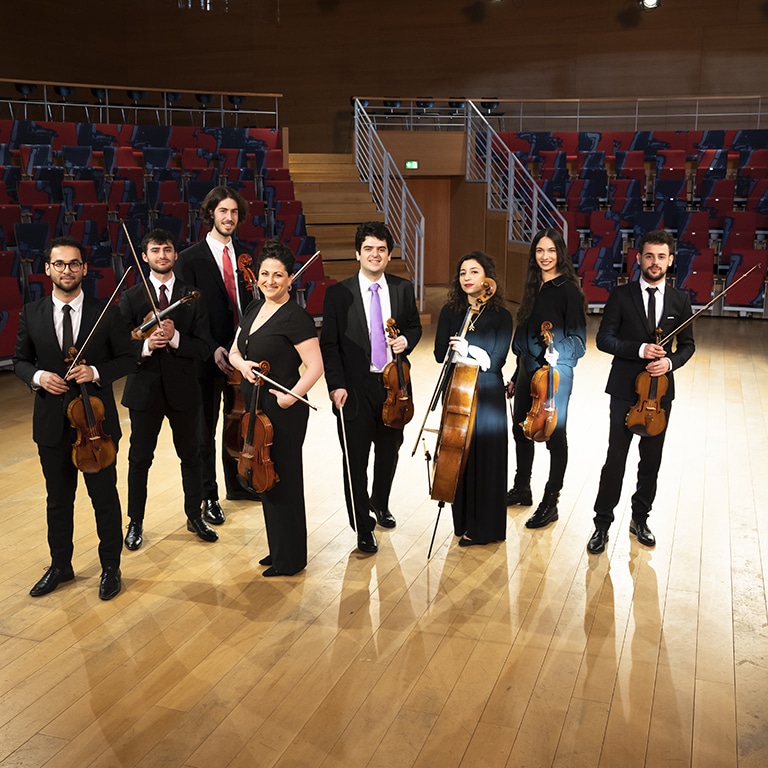
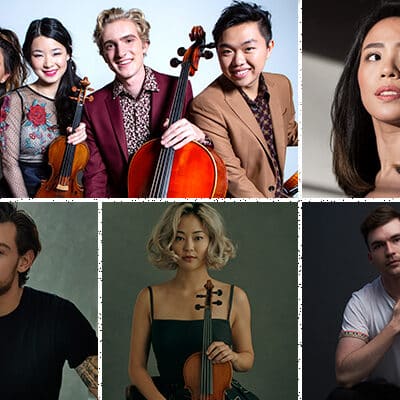
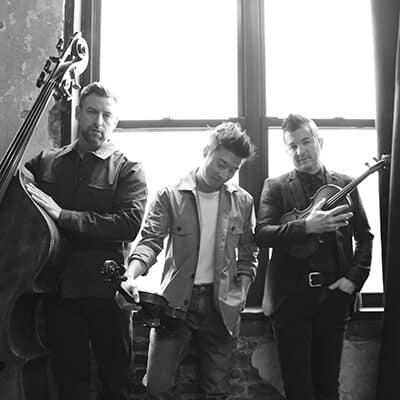
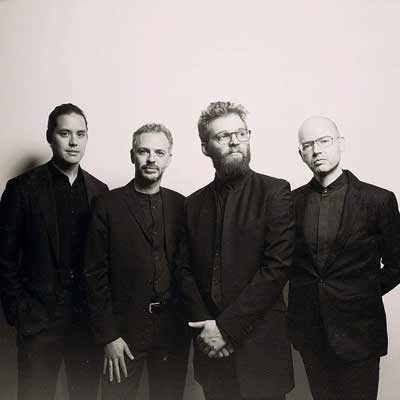
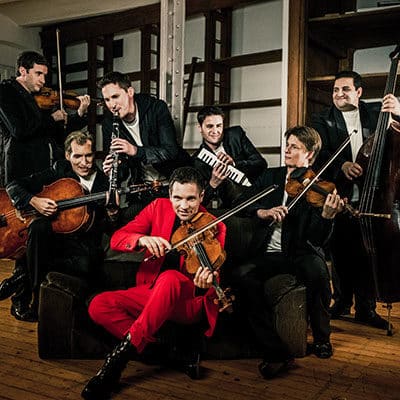
Brooklyn Rider - "Dominant Curve”
Strings Magazine - 09.16.10
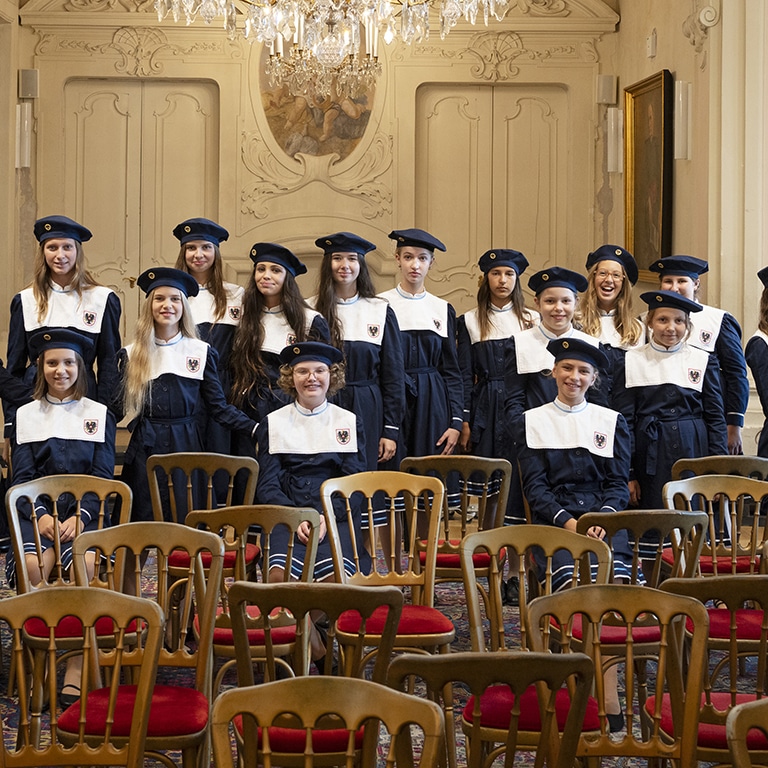
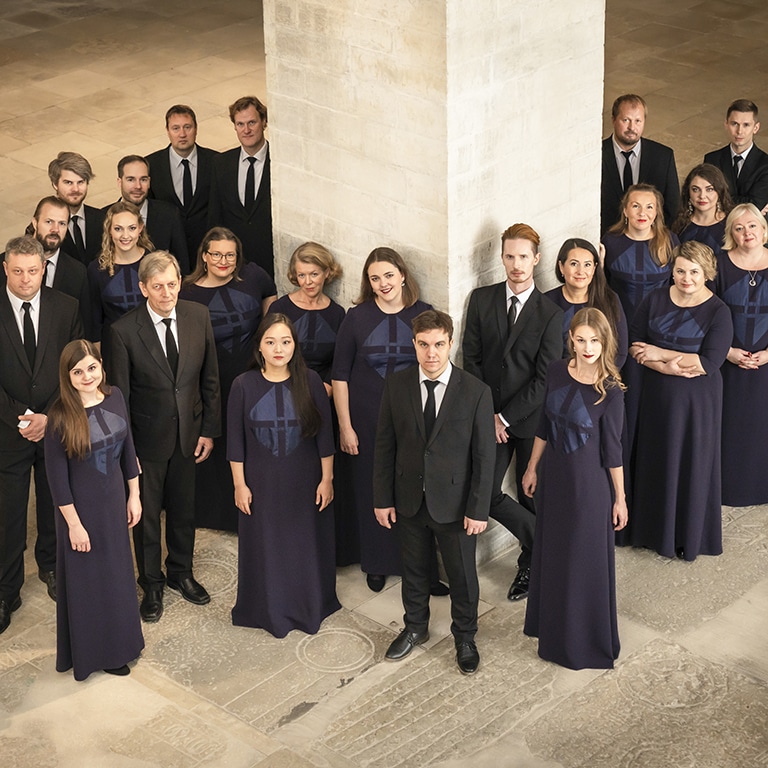
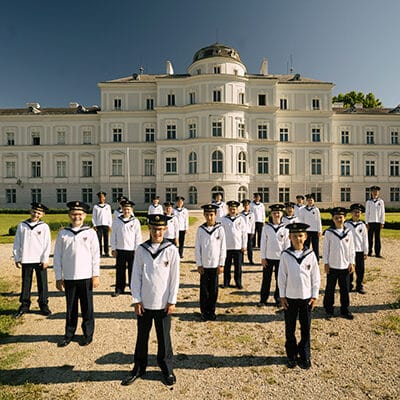
Chanticleer - Chanticleer: Out of This World
San Francisco Classical Voice - 09.07.10
Daniel Bernard Roumain (DBR) - TUNE TO PBS TONIGHT & WATCH THE PREMIERE OF OFF & RUNNING SCORED BY DBR
PBS - 09.06.10
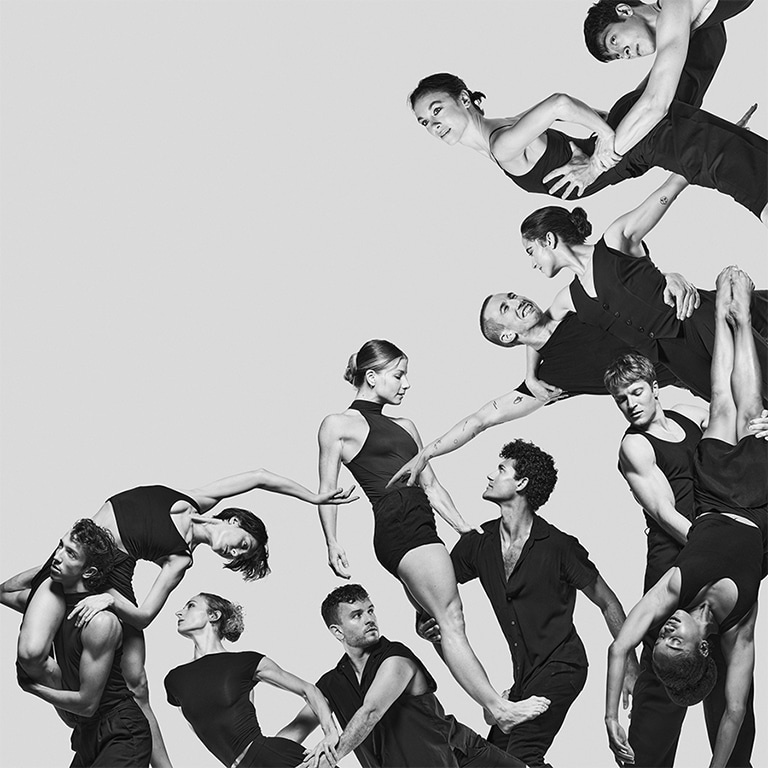
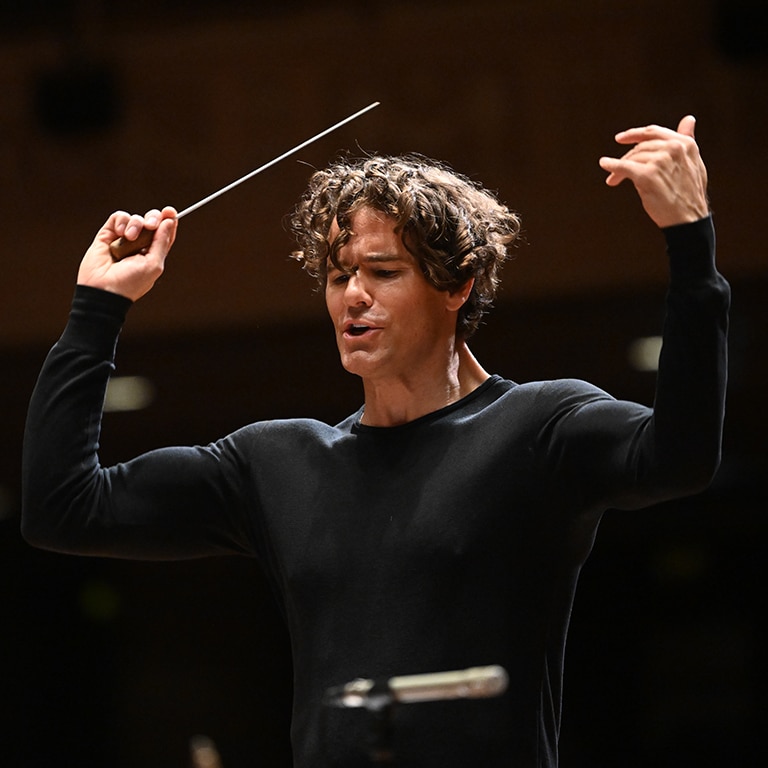
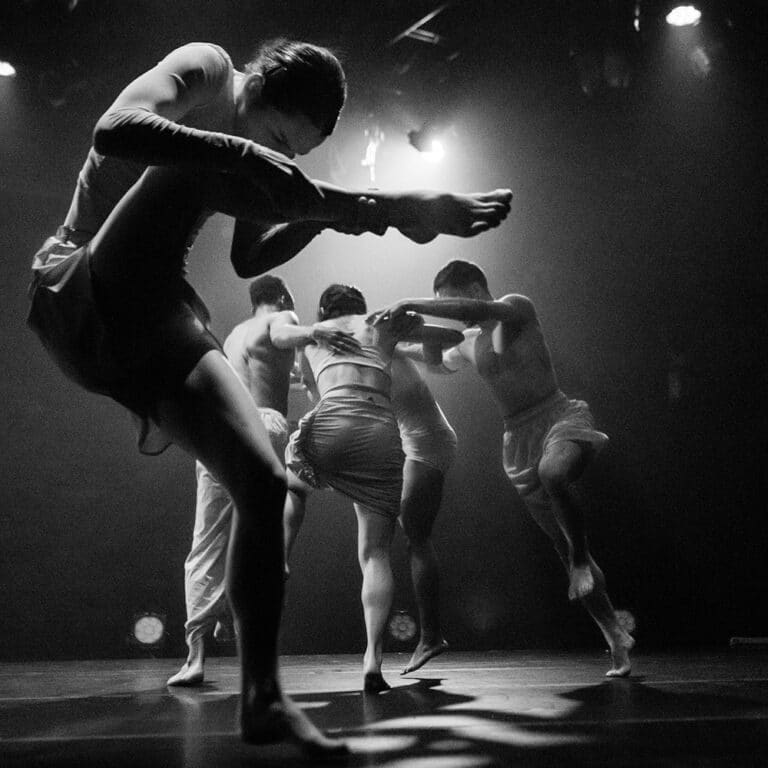
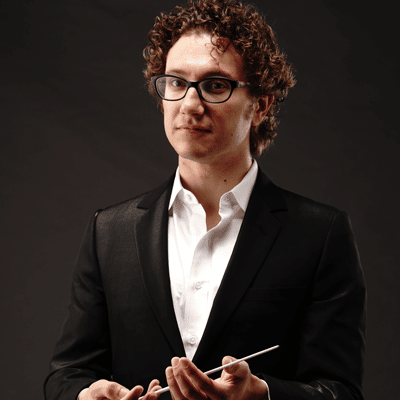
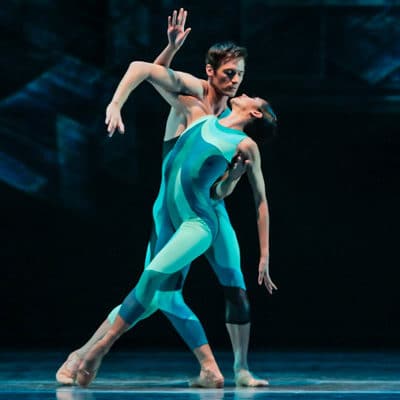
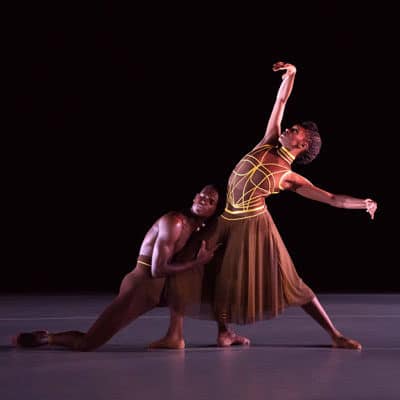
Cleveland Orchestra , Tito Muñoz, Joffrey Ballet - Another glorious evening of dance and live music by Joffrey Ballet and Cleveland Orchestra
Cleveland Plain Dealer - 09.03.10
International Tchaikovsky Competition - Tchaikovsky 2011 laureates to be managed worldwide by leading artist agencies
International Tchaikovsky Competition - 09.02.10
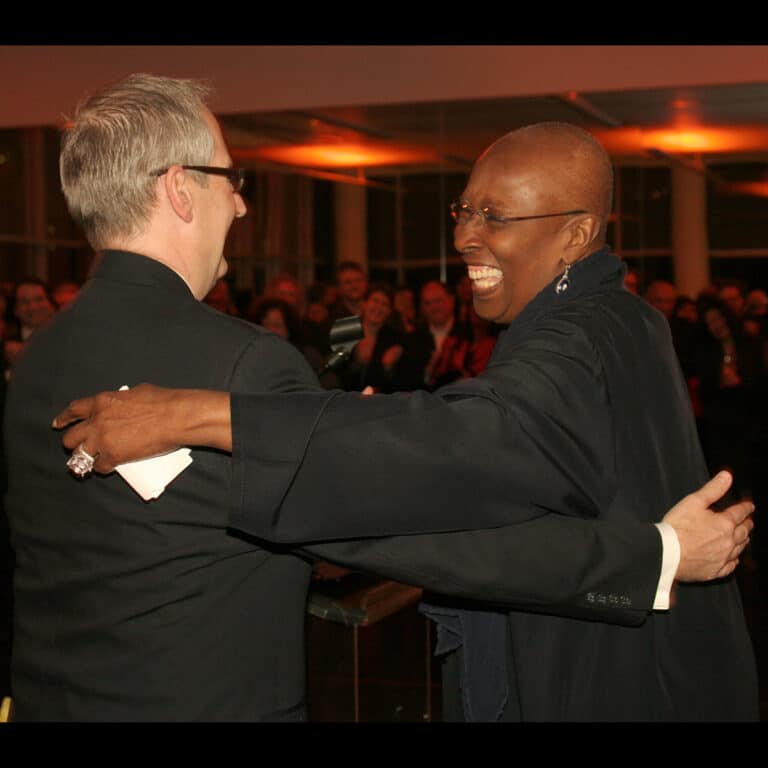
Alvin Ailey American Dance Theater - JUDITH JAMISON TO BE HONORED AT WHITE HOUSE DANCE SERIES PRESENTED BY FIRST LADY MICHELLE OBAMA
Alvin Ailey Press Room - 09.02.10
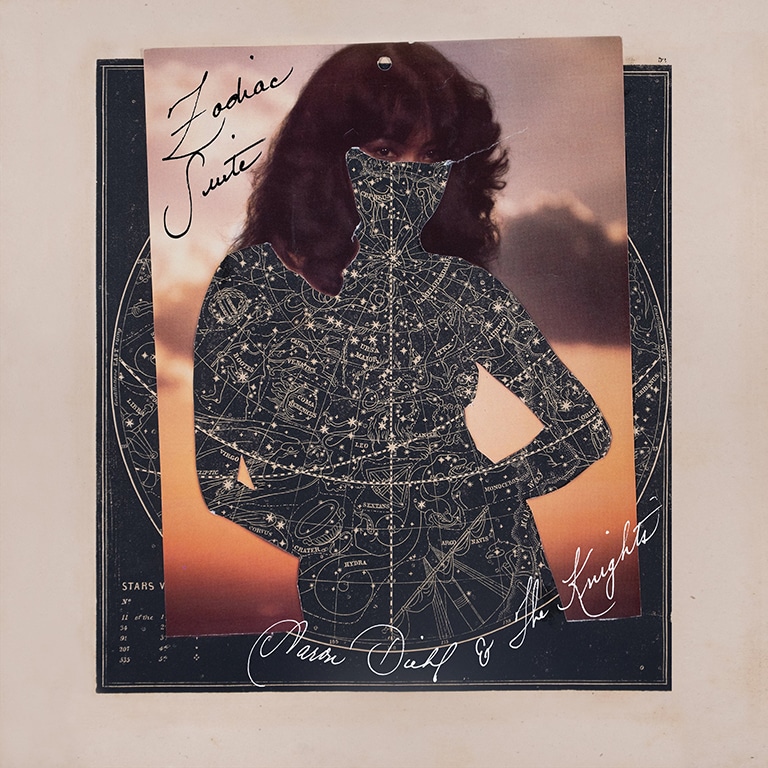
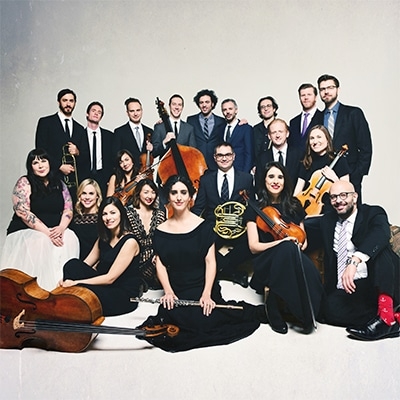
The Knights - Knights could be called a classical garage band
Pioneer Local - 08.30.10
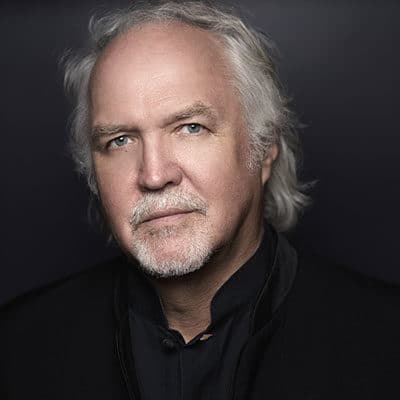
Donald Runnicles - EIF: A new wonder of the world
Herald Scotland - 08.28.10
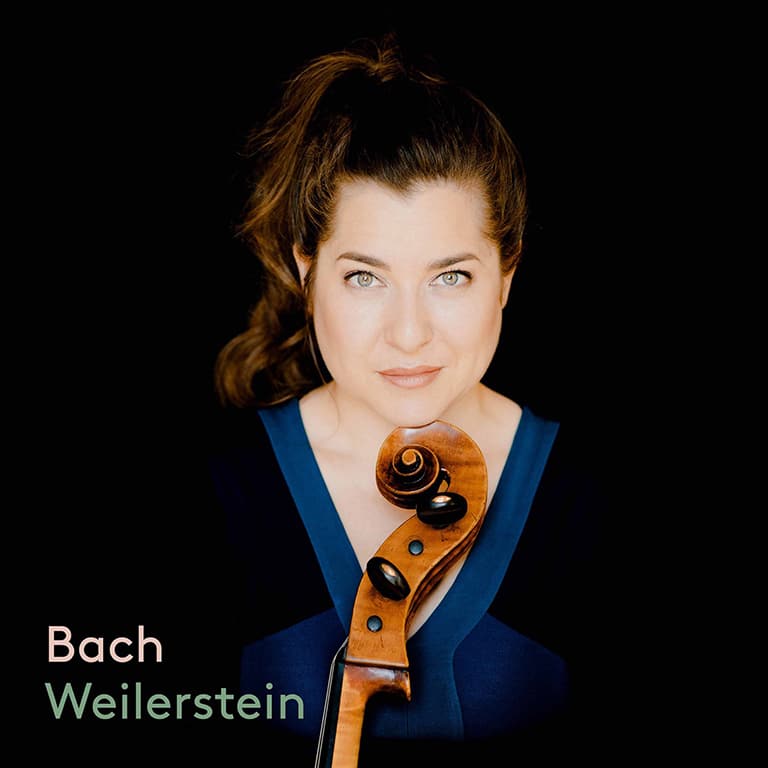
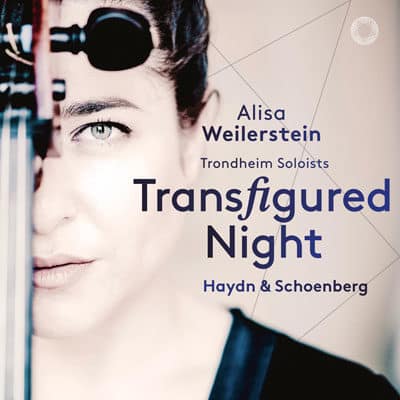
Alisa Weilerstein, Minnesota Orchestra - Prom 56: Minnesota Orchestra / Vanska, Royal Albert Hall, London
The Independent (UK) - 08.26.10
Osvaldo Golijov, Golijov's La Pasión según San Marcos - The Passion of Osvaldo Golijov
Bluefat
ARTIST NEWS
Pianist excels in difficult performance at Mendelssohn
02.12.08
Yuja Wang
Rockford Register Star
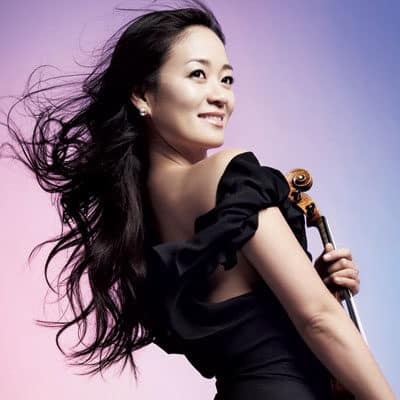
As part of the 2007-08 Mendelssohn Performing Arts Center concert series, internationally acclaimed pianist Yuja Wang provided a stellar performance Friday at Court Street United Methodist Church. Her biography gives evidence of outstanding ability, having performed with many top-rated orchestras under the baton of the world's greatest conductors in the U.S., Europe and Asia.
Wang's program consisted of works by late 19th and 20th century composers, beginning with two etudes by Hungarian-born Gyorgy Ligeti.
Etude No. 4, "Fanfares," featured an ostinato pattern in one hand with unusual rhythm patterns in the other. The sound was bold, somewhat dissonant, yet not unpleasant to the traditionalist. The second, Etude No. 10, "Der Zauberlering" (The Sorcerer's Apprentice) - not to be confused with the Dukas work of the same title - explored all 88 keys on the piano in presto tempo. Both works confirmed Wang's brilliance in agility and fluidity of motion.
"Sonata No. 2 in G-sharp minor, Op. 19" by Franz Liszt is a one movement, yet gigantic, composition. The demands on the performer are extensive and exhausting.
Beginning subdued, the work builds in intensity as four main musical ideas are developed, then ends in as subdued a manner as it began. Her technical excellence, impressive dynamic interpretation and physical strength enable her to produce the full effect intended by the composer. The performance was incredible and well-appreciated by the audience.
After intermission, Wang returned to the keyboard in a performance of Alexander Scriabin's "Sonata No. 2 in G-sharp minor, Op. 19." Inspired by the Mediterranean and in two movements, "Andante" and "Presto," the music depicts the sea in tranquility and then in restless and stormy agitation. Again, the tempo was fast yet performed flawlessly.
Bela Bartok is noted for his desire to musically present his Hungarian roots. His "Sonata for Piano, Sz. 80-BB.88," written in three movements, is filled with the delightful rhythms, melodies, textures and colors of the Hungarian folk style. The first and third movements are percussive, bold and dissonant. Unusual and varied time signatures create an unsettled restlessness without creating uneasiness to the listener. The performance was inspiring and dynamic.
One could conclude that the frenetic pace of the music to this point would be wearing on the performer, but the tour de force of her evening was yet to be experienced.
"La Valse" by Maurice Ravel is normally an orchestral work. Written before and during World War I, the music depicts the era as disturbed, troublesome and violent.
Wang demonstrated her virtuosity and artistry matched by few in the world by daring to perform the keyboard version of "La Valse." Filled with dissonance, agitation, fortissimos, aggressiveness and challenges beyond one's comprehension, the performance was an expression of pianistic excellence of the highest caliber. On conclusion, the audience erupted with cheers and a standing ovation.
The ovation continued until Wang treated the audience with three encores, ending with a "wow" performance of "Flight of the Bumblebee."