
- 05.19.13
Jennifer Koh - Music review: Oregon Symphony seasons ends with a mesmerizing violin performance
The Oregonian - 05.15.13
Denis Kozhukhin - Denis Kozhukhin Impresses in Prokofiev’s ‘War Sonatas’
Seen and Heard International - 05.15.13
Kuok-Wai Lio - KUOK-WAI LIO RECEIVES AVERY FISHER CAREER GRANT
Avery Fisher Artist Program - 05.14.13
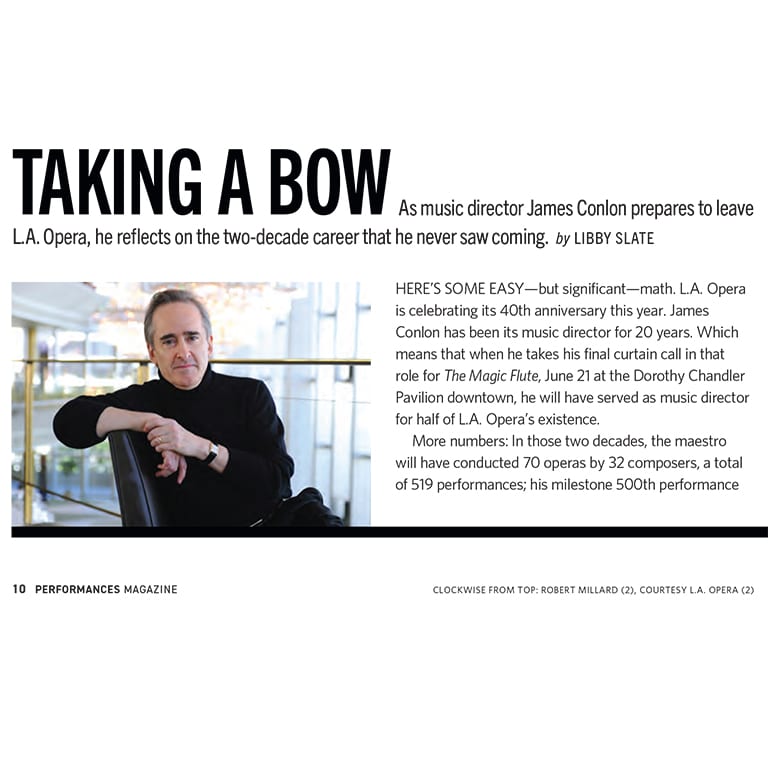
James Conlon - JAMES CONLON OPENS THE 2013 FESTIVAL DE SAINT-DENIS CONDUCTING TWO CONCERTS OF BERLIOZ’S L’ENFANCE DU CHRIST IN HONOR OF SIR COLIN DAVIS WHO WAS SCHEDULED TO CONDUCT THE WORK
Shuman Associates Inc - 05.13.13
James Conlon - Review: Powerful reading of Mozart Requiem opens May Fest
Cincinnati.com - 05.13.13
James Feddeck - Cleveland Orchestra Youth Orchestra delivers bittersweet season finale (review)
Cleveland Plain Dealer - 05.12.13
James Conlon - Review: May Festival reaches heavenly heights with 'War Requiem'
Cincinnati.com - 05.12.13
Shai Wosner - Pianist Shai Wosner finds Schubert’s dark side
The Washington Post - 05.10.13
Jon Kimura Parker - Jon Kimura Parker Takes on Mussorgsky, Rachmaninoff, Prokofiev & Stravinsky
The SunBreak - 05.10.13
Alexandre Tharaud - OPUS 3 ARTISTS SIGNS ALEXANDRE THARAUD
ARTIST NEWS
Composers Versus Tyrants in a Festival’s Conclusion
03.16.12
Gil Shaham
The New York Times
By Allan Kozinn
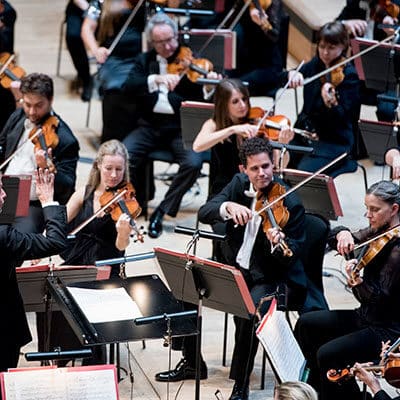
The New York Philharmonic and its audience have been chest-deep in Beethoven this month, thanks to the orchestra’s Modern Beethoven festival, conducted by David Zinman.
Each of the three programs included a pair of Beethoven symphonies and a 20th-century concerto. The final installment, which Mr. Zinman led at Avery Fisher Hall on Thursday evening, was particularly inviting, not least because of the links between Karl Amadeus Hartmann’s “Concerto Funèbre,” which shared the first half with Beethoven’s Symphony No. 1, and Beethoven’s “Eroica” Symphony, which closed the program.
Beethoven originally intended the “Eroica” as a paean to Napoleon, but when Napoleon crowned himself emperor, the composer recast the work as a portrait of an idealized hero who would fight tyranny.
Hartmann, a German who remained in his homeland during World War II but withheld his works from public performance, had no illusions about Hitler. His 1939 “Concerto Funèbre” laments the Nazis’ rise and identifies with their victims by subtly quoting from Czech hymns, Russian workers’ songs and Jewish prayer melodies.
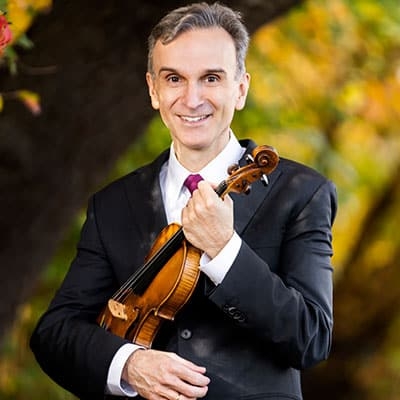
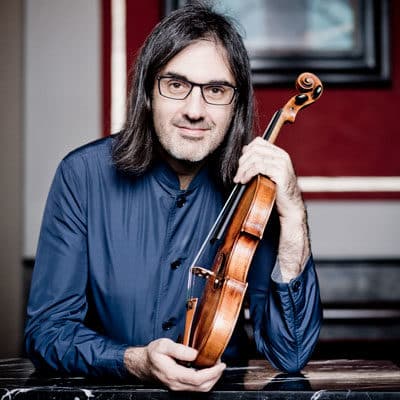
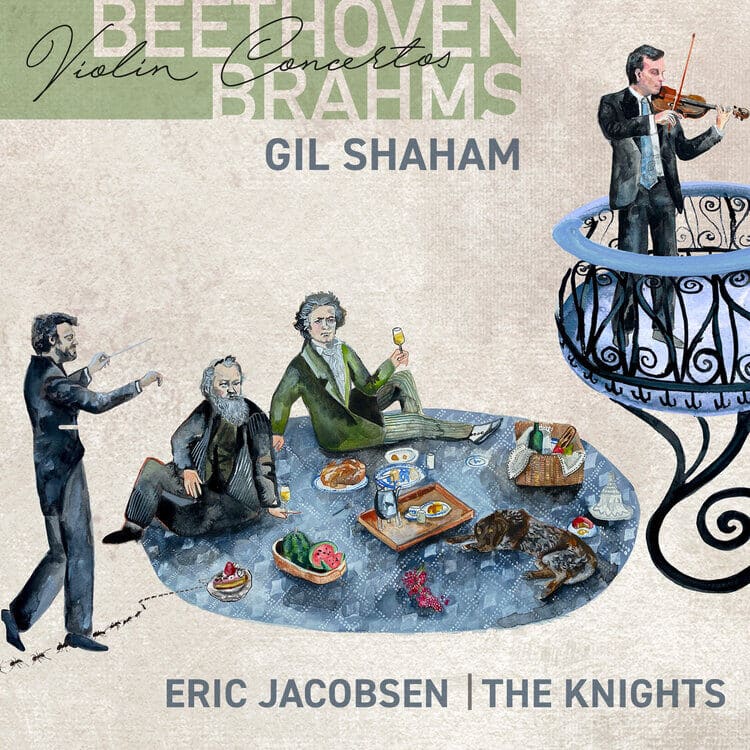
The violinist Gil Shaham played the solo line with a warm, focused but never overly pretty tone, and perfectly characterized the work’s anguished and occasionally angry (in the assertive movement, particularly) spirit. The piece’s orchestration is subtle and often spare, and Mr. Zinman and the Philharmonic mined its dark beauty with a disciplined directness that complemented Mr. Shaham’s account.
Mr. Zinman has reinforced his reputation as an eloquent and inventive Beethoven conductor in this festival. His trim, speedy performance of the First Symphony embraced Beethoven’s Classical roots but emphasized the composer’s search for his own path.
Beethoven found that path unequivocally in the “Eroica.”
The work’s first listeners, in 1805, questioned his sanity, partly because of the piece’s length — nearly an hour, unheard of for a symphony — but also because of outlandish effects, like the pummeling cannonlike chordal blasts that punctuate the opening movement, and the inclusion of a long funeral march.
Here, that march was another connection to the Hartmann, and the orchestra gave it a sumptuous reading, complete with the unusual woodwind embellishments that are among Mr. Zinman’s signature touches. The surrounding movements were brisk and hard-driven, and full of unusual balances.
Bringing out inner voices can be overdone, but Mr. Zinman’s tempos and the precision of the orchestra’s playing made these usually submerged figures sound like important dramatic elements, crucial to the busy panorama Beethoven meant to present.