

- 05.15.13
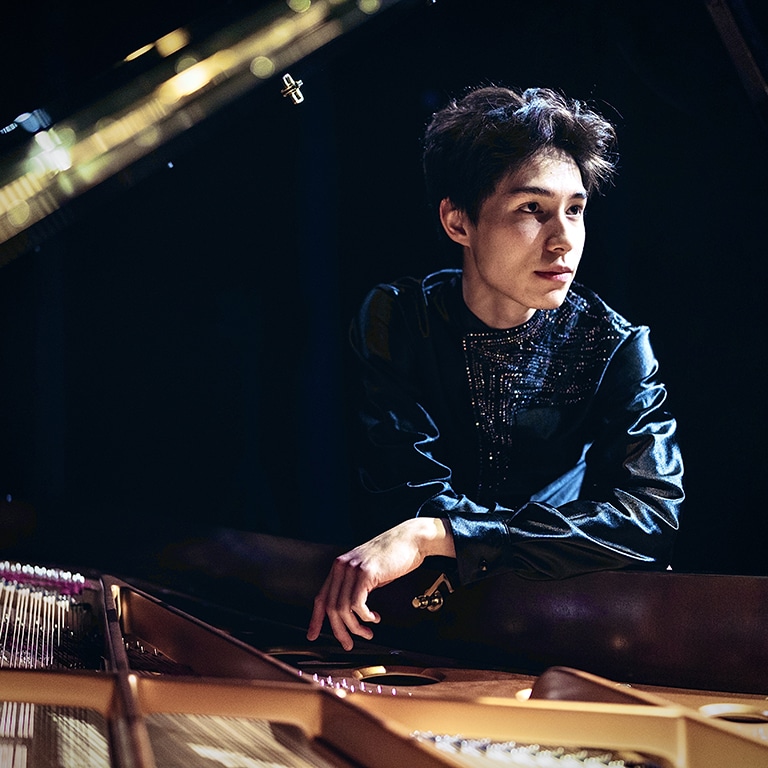
Denis Kozhukhin - Denis Kozhukhin Impresses in Prokofiev’s ‘War Sonatas’
Seen and Heard International - 05.15.13
Kuok-Wai Lio - KUOK-WAI LIO RECEIVES AVERY FISHER CAREER GRANT
Avery Fisher Artist Program - 05.14.13
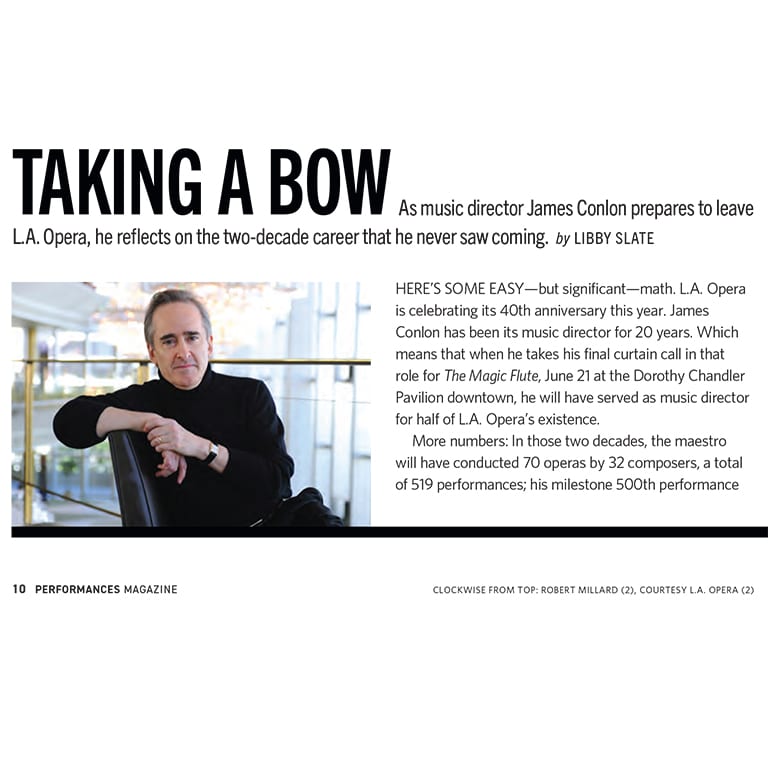
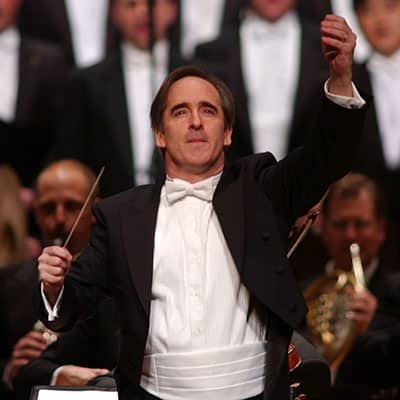
James Conlon - JAMES CONLON OPENS THE 2013 FESTIVAL DE SAINT-DENIS CONDUCTING TWO CONCERTS OF BERLIOZ’S L’ENFANCE DU CHRIST IN HONOR OF SIR COLIN DAVIS WHO WAS SCHEDULED TO CONDUCT THE WORK
Shuman Associates Inc - 05.13.13
James Conlon - Review: Powerful reading of Mozart Requiem opens May Fest
Cincinnati.com - 05.12.13
James Conlon - Review: May Festival reaches heavenly heights with 'War Requiem'
Cincinnati.com - 05.12.13
Shai Wosner - Pianist Shai Wosner finds Schubert’s dark side
The Washington Post - 05.10.13
Jon Kimura Parker - Jon Kimura Parker Takes on Mussorgsky, Rachmaninoff, Prokofiev & Stravinsky
The SunBreak - 05.10.13
Alexandre Tharaud - OPUS 3 ARTISTS SIGNS ALEXANDRE THARAUD
- 05.09.13
Sir Andrew Davis - Review: Philharmonia Orchestra, St David’s Hall, Cardiff
Wales Online - 05.09.13
Sir Andrew Davis - Philharmonia Orchestra, St David's Hall
South Wales Argus
ARTIST NEWS
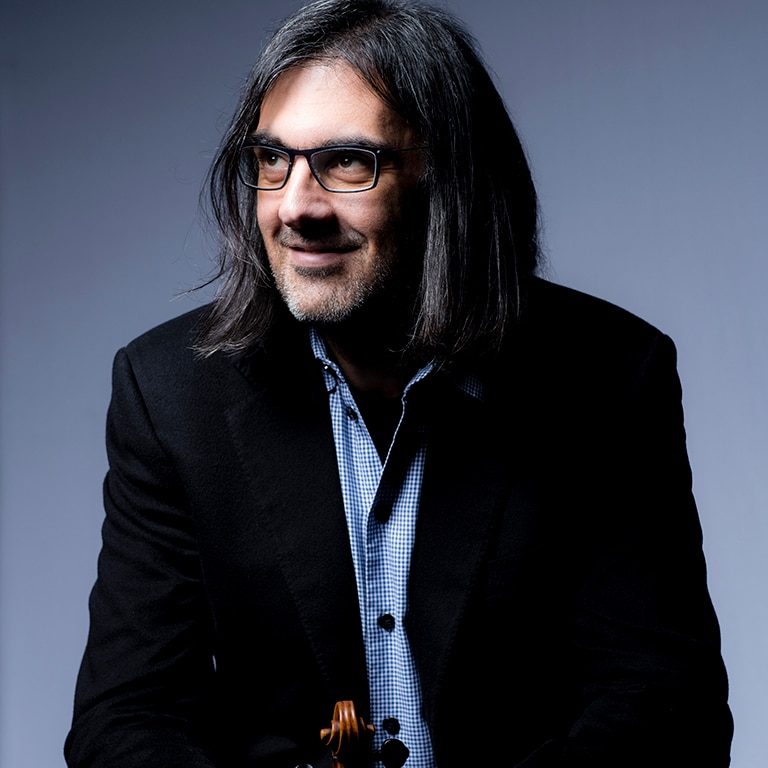
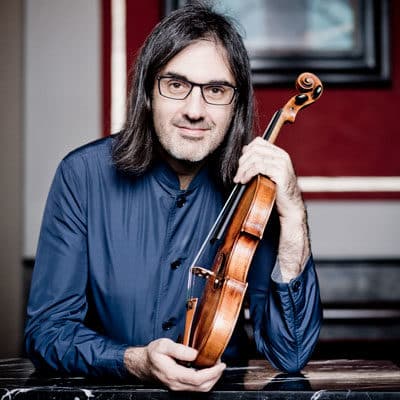
Kavakos showcases a rare talent
10.26.09
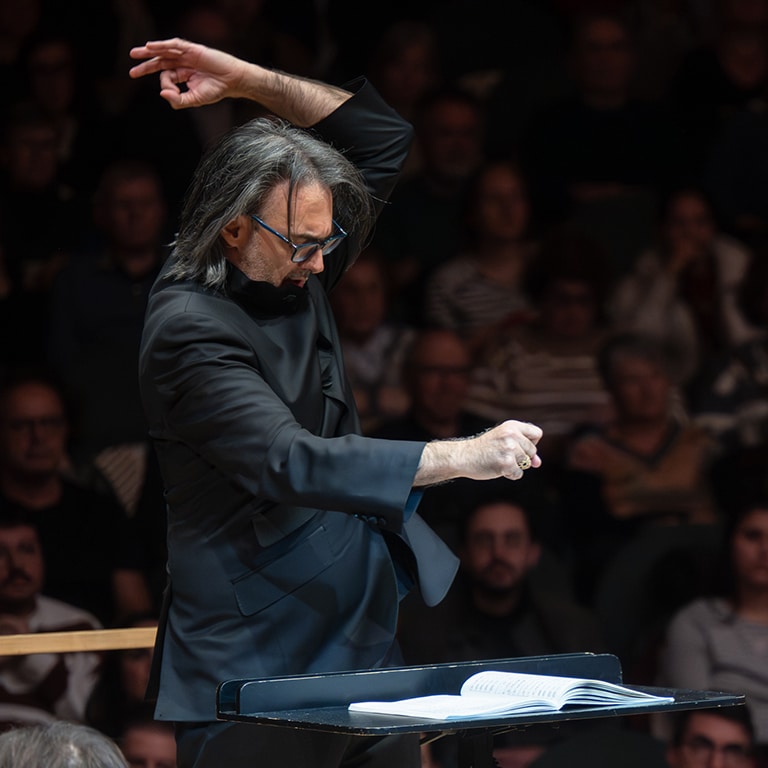
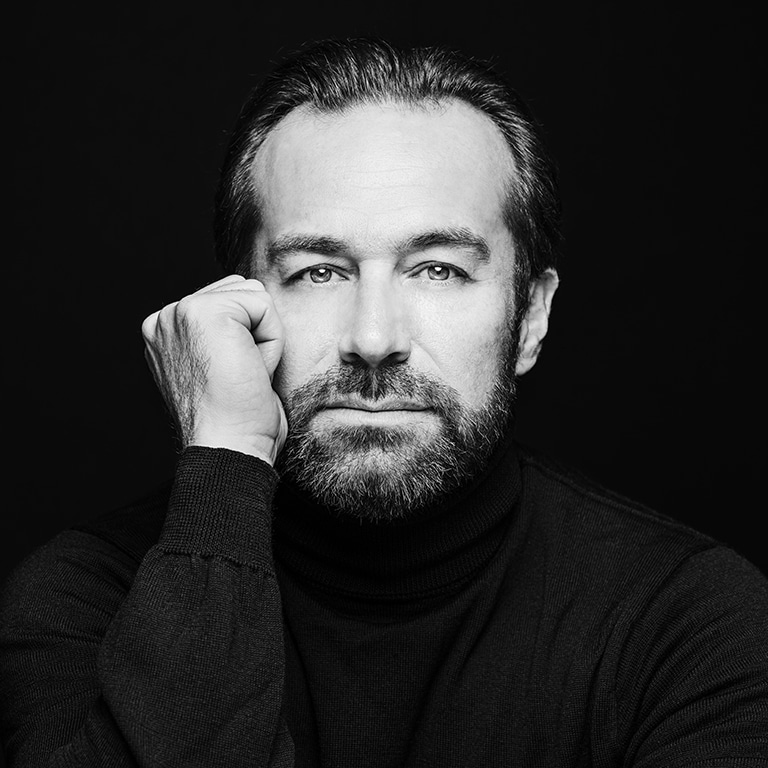
Leonidas Kavakos
Philadelphia Inquirer
By David Patrick Stearns
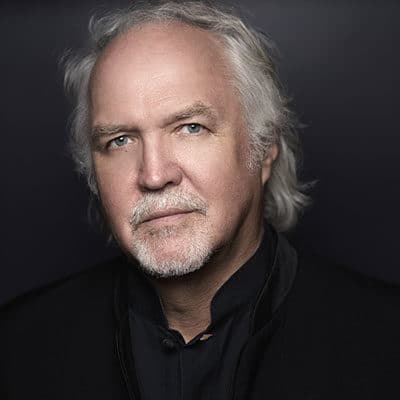
Though Leonidas Kavakos is as established as a concerto soloist can be in classical music terrains, he is so often identified as "the Greek violinist" that it might as well be part of his name. Greek classical musicians aren't encountered that frequently, for whatever reason. But at his Friday Kimmel Center recital, Kavakos showed what such a nationality can mean.
In violinist terms, his hands ought to be insured for millions - they're priceless. But the mind behind it all played Bach's unaccompanied "Chaconne" from the Partita in D minor with such keen structural perception that each microsection emerged with its own subtle character and particular brand of rhythmic continuity. And though the piece - a monument in the violin literature - is usually positioned as a concert climax, he started his Philadelphia Chamber Music Society program at this high peak without any danger of the rest being a letdown.
In contrast to Bach (where every note counts for all it can possibly imply), Kavakos faced thickets of less-considered notes in Schumann's Violin Sonata No. 2, whose triple-digit catalogue number (Op. 121) means the piece comes from a period in the composer's life when his sanity - and thus concentration - was waning. What he most often produced, then, was overwritten first drafts; this sonata is among the better ones.
The slow movement, though, rises above the rest. It's unlike anything in all of Schumann, exuding all the ingenuous lyricism of an old American hymn as it might be adapted by, say, Mark O'Connor. Kavakos phrased that music memorably, while he and pianist Peter Nagy navigated the rest of the piece with as much intricacy as possible while also giving it enough sound and rhetorical force to convincingly barrel through to the end.
Kavakos' Greekness felt evident in Violin Sonata No. 3, Op. 25 by George Enescu - a feast of color and theatrical gestures in music for any accomplished violinist. But with Kavakos, it became a complete, mesmerizing sound world that perhaps even the composer (a great violinist whose few recordings include Schumann's Op. 121) couldn't have put across to this consummate degree.
Enescu's Romanian folk element is more radical than in Bartok, so much so that the music is unmoored - seemingly at its deepest level - from anything typically European, sharing a sense of gravity (as well as use of microtones) with the more elemental corners of Greek music (Byzantine chant from the Mount Athos Monastery, for example). With Nagy asked to imitate quaint folk instruments, the sonata might have seemed like restaurant music. Instead, it was dark, edgy, and mysterious. The audience cheered enough to warrant encores, but what could follow that?