
- 06.18.13
Jeremy Denk - Variations On an Article: Jeremy Denk Gets a Book Contract
The New York Times - 06.17.13
Jonathan Biss - Jonathan Biss review: Schumann showcase
The San Francisco Chronicle - 06.17.13
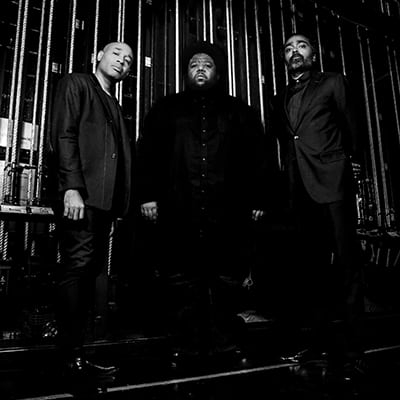
Hugh Masekela - My apology to Hugh Masekela: He and Larry Willis gave the performance of a lifetime at the Dakota
InsightNews.com - 06.16.13
Nadja Salerno-Sonnenberg - Putting the pizzazz in Piazzolla
U-T San Diego - 06.14.13
Leonidas Kavakos - Music Review: An Old Hand at Only 26
The New York Times - 06.14.13
James Ehnes - Britten, Shostakovich: Violin Concertos, James Ehnes, review
The Telegraph - 06.14.13
Julian Wachner - OPUS 3 ARTISTS SIGNS JULIAN WACHNER
- 06.13.13
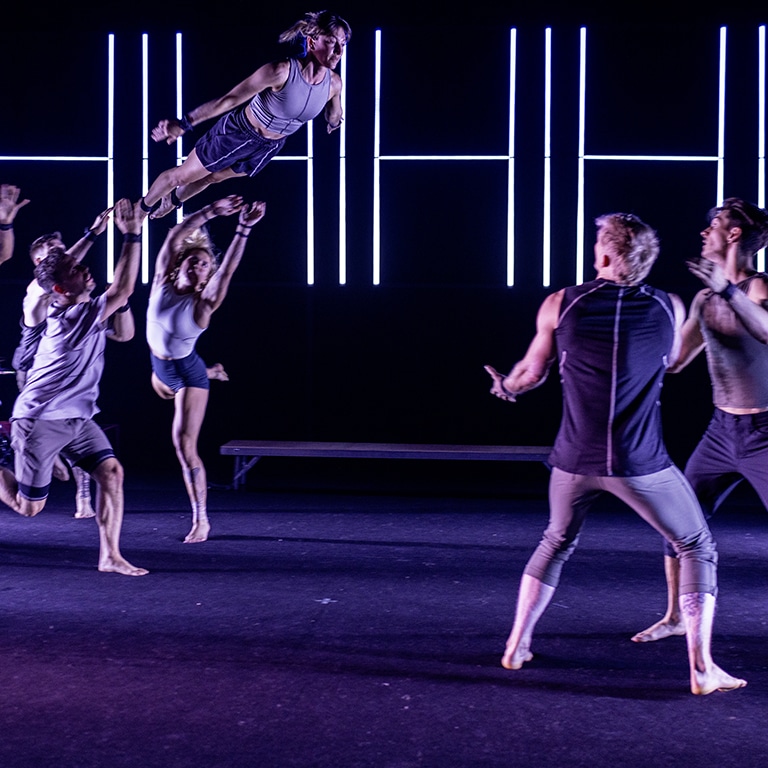
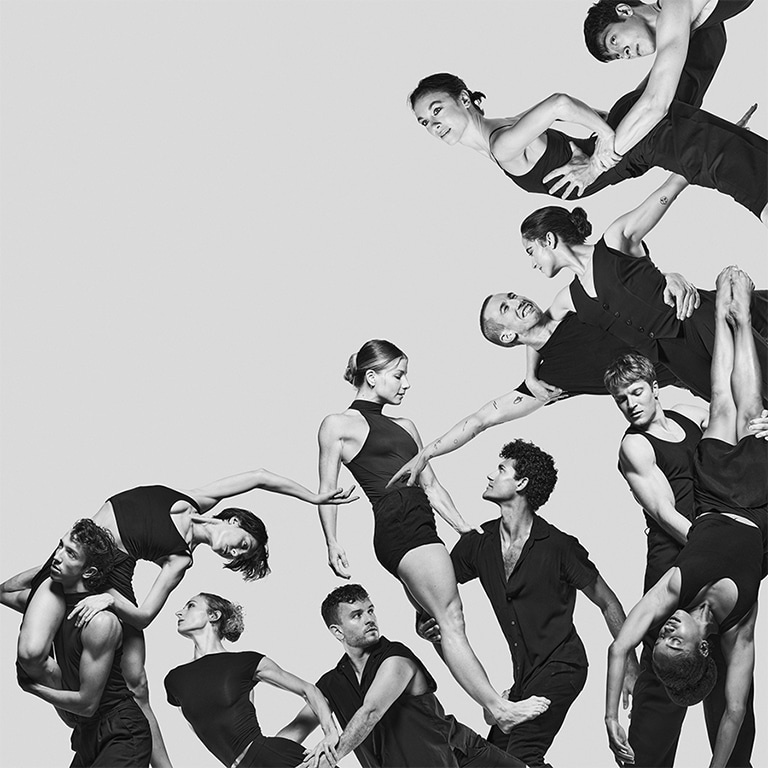
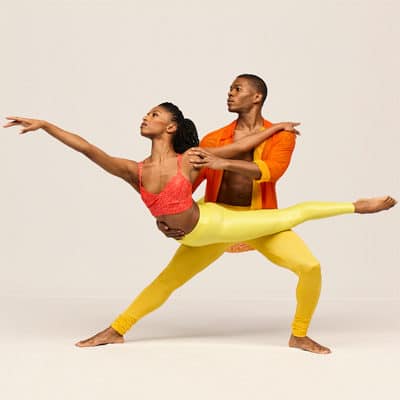
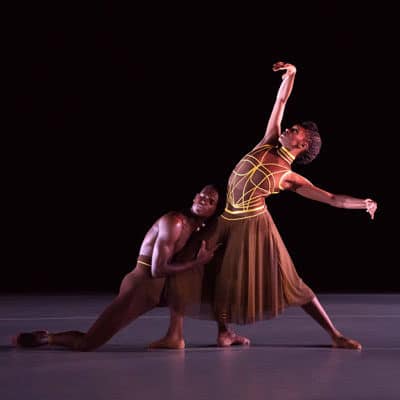
Alvin Ailey American Dance Theater - From Sex to Salvation, Not Without Introspection
The New York Times - 06.13.13
Gautier Capucon - Rising star at Davies
Bay Area Reporter - 06.13.13
Sarah Chang - Review: Sarah Chang in Concert
What's on in CapeTown
ARTIST NEWS
Intense Colors Amid the Ethereal Melodies
10.07.08
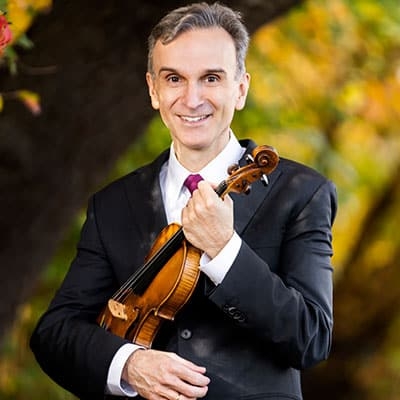
Gil Shaham
The New York Times
Listening to a committed performance of Messiaen's "Quartet for the End of Time" is such an emotionally shattering experience that the warm and well-fed listener can only imagine the effect it had on the inmates of a German prisoner of war camp who crowded into chilly barracks to hear its premiere in 1941.
Messiaen, who served in the French army during World War II, wrote most of the work (scored for piano, violin, cello and clarinet) after being taken prisoner by the Germans in 1940. Some of its many hauntingly beautiful moments are in the fifth movement, titled "In Praise of the Eternity of Jesus." On Sunday at the New York Society for Ethical Culture, the cellist Paul Watkins performed that movement's ethereal melody with delirious intensity over the insistent piano chords played by Gilbert Kalish.
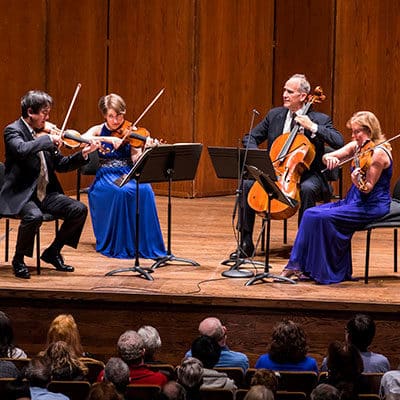
The quartet concluded a Chamber Music Society of Lincoln Center concert.
Mr. Watkins's dedication was matched by the violinist Daniel Hope and the clarinetist David Shifrin, who played his solo in "Abyss of the Birds" with piercing fervor.
If Messiaen (whose centennial is being celebrated this year) had been a painter, his rainbows would require sunglasses to look at. The four musicians evoked the blinding aural colors of the seventh movement - "Cluster of Rainbows for the Angel Who Announces the End of Time" - with kaleidoscopic vigor.
Mr. Hope also gave an impassioned and virtuosic performance of Ravel's "Tzigane," his gypsy rhapsodizing spiraling into a frenzied whirl at the work's conclusion. He was accompanied with panache by the pianist Wu Han. (She and her husband, David Finckel, serve as artistic directors of the Chamber Music Society.)
Sunday's program, called "Fête Française," included two other colorful 20th-century French pieces, including Pierre Boulez's "Dérive 1" (1984) for flute, clarinet, violin, cello, piano and vibraphone, derived from the set of pitches that Mr. Boulez used for a 1976 tribute to the conductor Paul Sacher. Trills and darting fragments ripple throughout this rigorous work of a sensual modernist.
The concert opened with Darius Milhaud's jazz-inflected concert suite for piano quintet, which he arranged in 1923 from his ballet "Création du Monde." The work was inspired by Milhaud's visit to Harlem jazz clubs and the ballet scored for the same combination of instruments he heard there.
There were sultry solos from the violist Richard O'Neill and impassioned playing from the whole ensemble in the exuberant finale.