
- 05.19.13
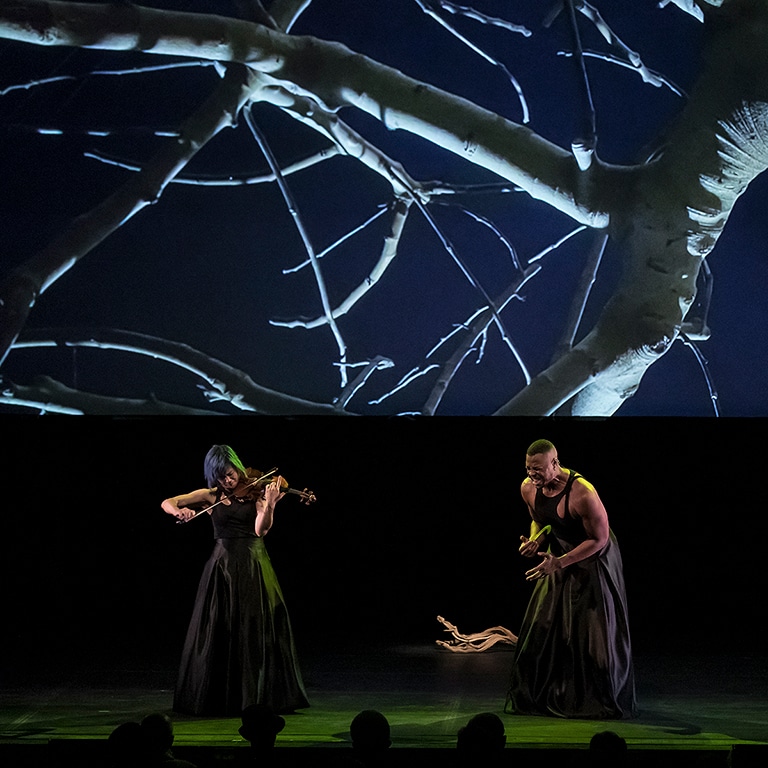
Jennifer Koh - Music review: Oregon Symphony seasons ends with a mesmerizing violin performance
The Oregonian - 05.15.13
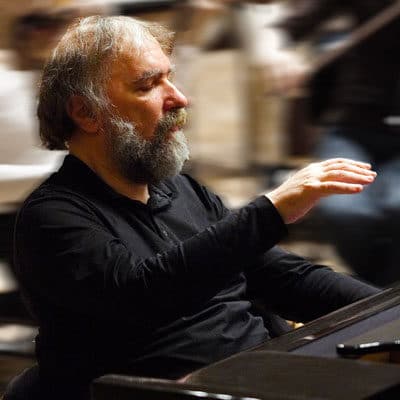
Denis Kozhukhin - Denis Kozhukhin Impresses in Prokofiev’s ‘War Sonatas’
Seen and Heard International - 05.15.13
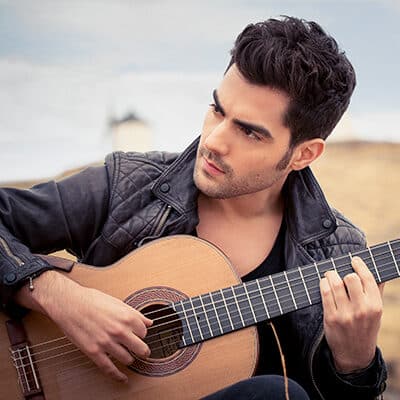
Kuok-Wai Lio - KUOK-WAI LIO RECEIVES AVERY FISHER CAREER GRANT
Avery Fisher Artist Program - 05.14.13
James Conlon - JAMES CONLON OPENS THE 2013 FESTIVAL DE SAINT-DENIS CONDUCTING TWO CONCERTS OF BERLIOZ’S L’ENFANCE DU CHRIST IN HONOR OF SIR COLIN DAVIS WHO WAS SCHEDULED TO CONDUCT THE WORK
Shuman Associates Inc - 05.13.13
James Conlon - Review: Powerful reading of Mozart Requiem opens May Fest
Cincinnati.com - 05.12.13
James Conlon - Review: May Festival reaches heavenly heights with 'War Requiem'
Cincinnati.com - 05.12.13
Shai Wosner - Pianist Shai Wosner finds Schubert’s dark side
The Washington Post - 05.10.13
Jon Kimura Parker - Jon Kimura Parker Takes on Mussorgsky, Rachmaninoff, Prokofiev & Stravinsky
The SunBreak - 05.10.13
Alexandre Tharaud - OPUS 3 ARTISTS SIGNS ALEXANDRE THARAUD
- 05.09.13
Sir Andrew Davis - Review: Philharmonia Orchestra, St David’s Hall, Cardiff
Wales Online
ARTIST NEWS
LSO/MTT Gil Shaham – Berg & Schubert
11.05.09
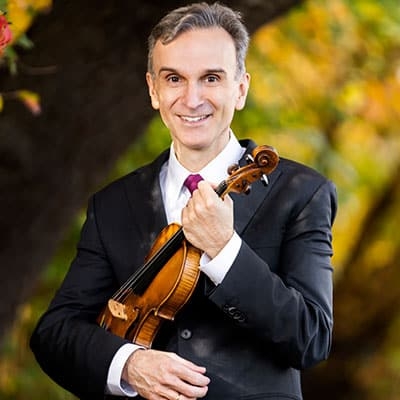
Gil Shaham
Classicalsource.com
By Colin Anderson
Something to open-up the ears was needed before encountering the fragile exploration that begins Alban Berg’s Violin Concerto, but the regrettable current trend of dispensing with an ‘overture’ ensured an unsatisfactory ‘cold’ start. In the context of this programme, something by Webern (Passacaglia, Five Pieces or Concerto for Nine Instruments, say) would have been welcome or, given this concert’s and the next one’s focus on Schubert, Mahler and Berg, then Britten’s arrangement of the second movement of Mahler 3 would have complemented the forthcoming Blumine.
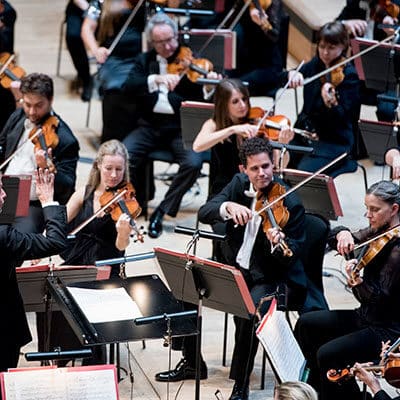
Anyway, we did indeed start with Berg’s Violin Concerto, which found Gil Shaham, the LSO and Michael Tilson Thomas in the most refined and scrupulously enunciated conversation. Throughout this revealing and moving – but rarely overt – account, one was reminded that this is a concerto for violin and orchestra, Berg’s amazingly detailed score and its breathtaking organisation wonderfully and subtly revealed to every whisper, shading and articulation. Not that this was an exercise in minutiae, for the music’s beauty, heartfelt expression, parody, bitterness and final radiance was captured with near-perfect transparency, the complex internal relationships meticulously balanced and threaded. For his part, Shaham ensured that his patrician contribution was as a ‘first among equals’, always to be heard but never dominating, and ensuring that the solo part was melded to the sounds around it, somewhat impressionistically if without blurring, and allowing the most-powerful moments their full resonance (without vulgarity) and the closing bars a genuine and naturally occurring transcendence. (The long silence before applause was magical.) Written “To the memory of an angel” – Manon Gropius, the daughter of Alma Mahler and Walter Gropius, who died at the age of 18 from polio – this performance of a masterwork had greatness hovering over it, not least because of the often-mesmerising teamwork and rapport displayed by and between soloist, orchestra and conductor.
Returning for the concert’s second half, MTT duly closed the score of Schubert 9 awaiting him, and led a particularly dynamic account of it, one that opened with richly smooth horns and serene expression, a genuinely ‘slow introduction’ that changed enthusiastically into a particularly bracing account of the Allegro, one still able to live and breathe rather than sounding metronomic – elegant, too – and not without glowering rhetoric, the speed increasing come the development section and getting even faster just before the coda at which point MTT slammed the breaks on for a ‘gloriously old-fashioned’ ending. The second movement was certainly ‘con moto’, jaunty even, nipped through in 12 minutes, yet also yielding and emotionally overflowing. The scherzo zoomed along but was able to turn corners gracefully, the trio fully expressed, the finale quicksilver in effect yet still gemütlich, quite a high-wire act, quick-change rather than volatile, certainly trenchant, not least in the final bars. MTT observed only the minimum of repeats (just two of the four in the scherzo and trio), yet such concision was convincing (the movements well-proportioned one to another) and the performance as a whole was not only closely observed but also animated, momentous and invigorating.