
- 05.15.13
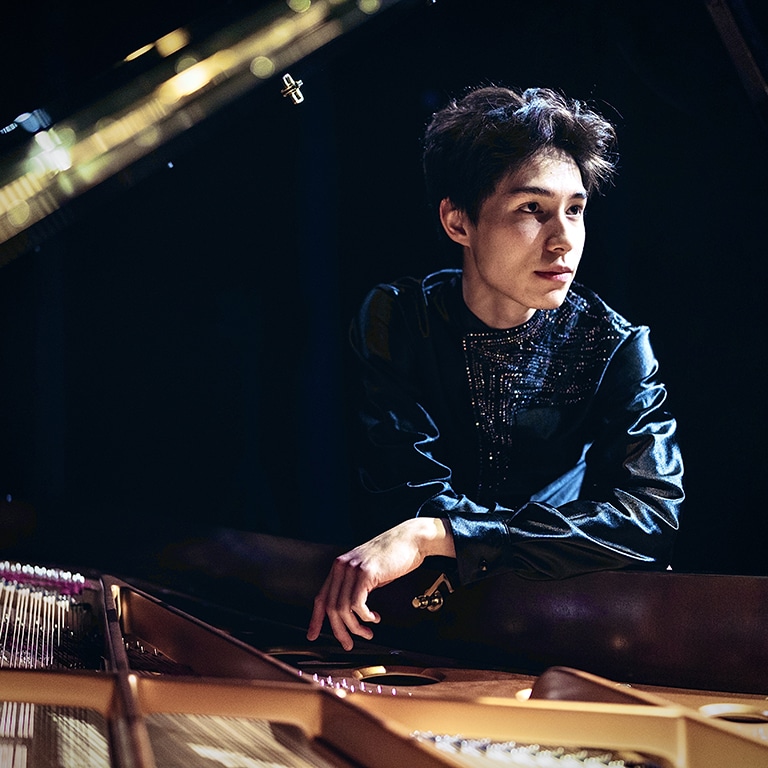
Denis Kozhukhin - Denis Kozhukhin Impresses in Prokofiev’s ‘War Sonatas’
Seen and Heard International - 05.15.13
Kuok-Wai Lio - KUOK-WAI LIO RECEIVES AVERY FISHER CAREER GRANT
Avery Fisher Artist Program - 05.14.13
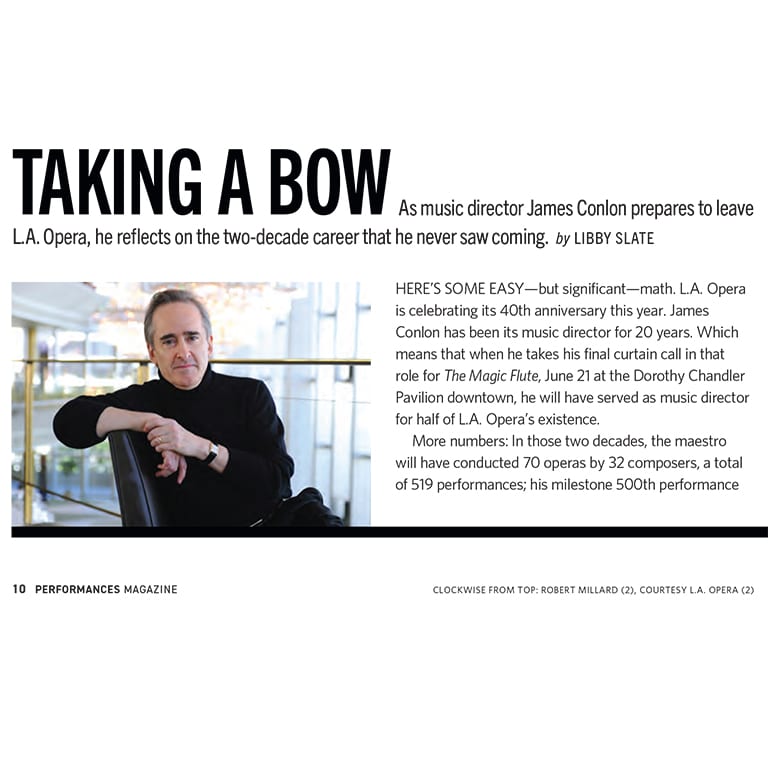
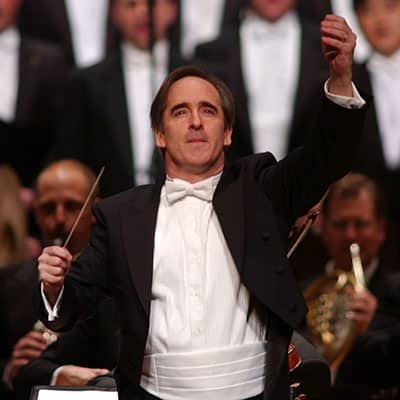
James Conlon - JAMES CONLON OPENS THE 2013 FESTIVAL DE SAINT-DENIS CONDUCTING TWO CONCERTS OF BERLIOZ’S L’ENFANCE DU CHRIST IN HONOR OF SIR COLIN DAVIS WHO WAS SCHEDULED TO CONDUCT THE WORK
Shuman Associates Inc - 05.13.13
James Conlon - Review: Powerful reading of Mozart Requiem opens May Fest
Cincinnati.com - 05.12.13
James Conlon - Review: May Festival reaches heavenly heights with 'War Requiem'
Cincinnati.com - 05.12.13
Shai Wosner - Pianist Shai Wosner finds Schubert’s dark side
The Washington Post - 05.10.13
Jon Kimura Parker - Jon Kimura Parker Takes on Mussorgsky, Rachmaninoff, Prokofiev & Stravinsky
The SunBreak - 05.10.13
Alexandre Tharaud - OPUS 3 ARTISTS SIGNS ALEXANDRE THARAUD
- 05.09.13
Sir Andrew Davis - Review: Philharmonia Orchestra, St David’s Hall, Cardiff
Wales Online - 05.09.13
Sir Andrew Davis - Philharmonia Orchestra, St David's Hall
South Wales Argus
ARTIST NEWS
Violinist imbues Bach with universe of harmony
07.17.12
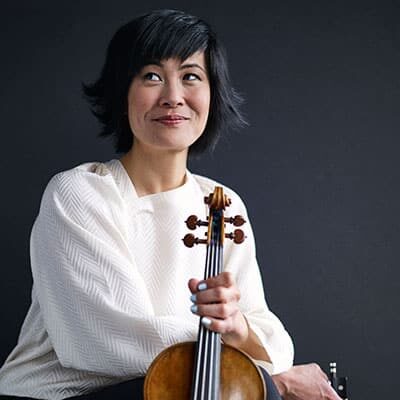
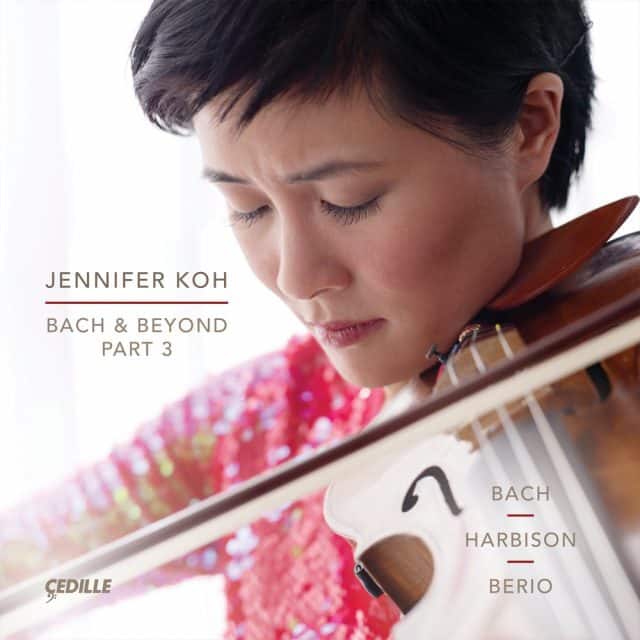
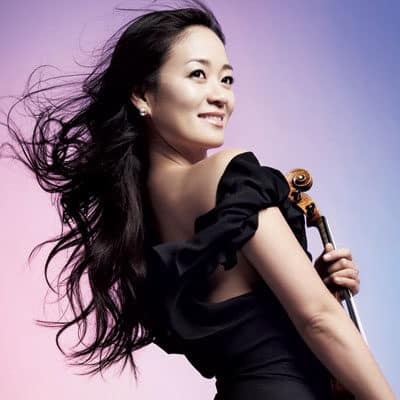
Jennifer Koh, Jennifer Koh's Bach & Beyond
Boston Globe
By Jeffrey Gantz
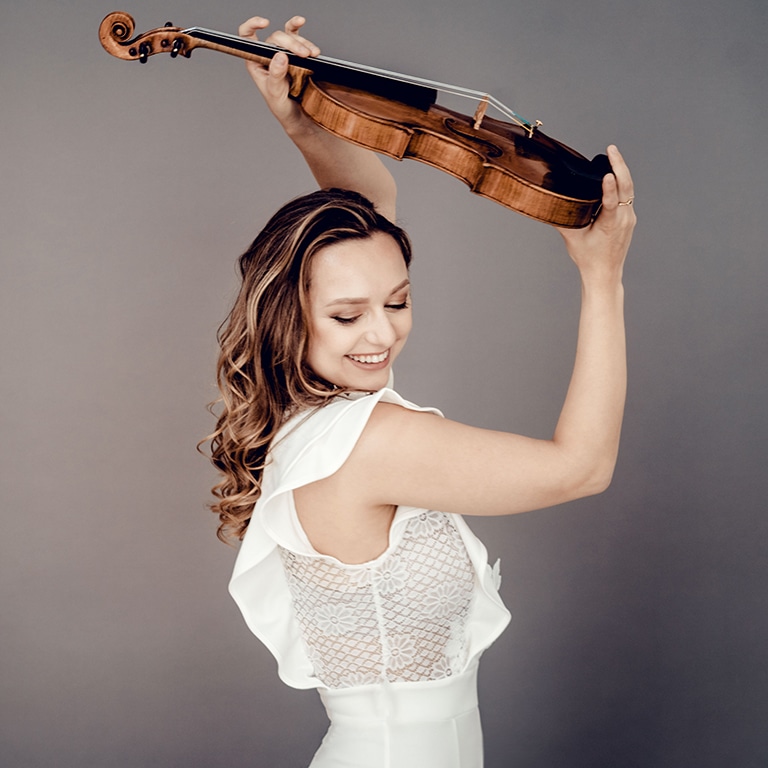
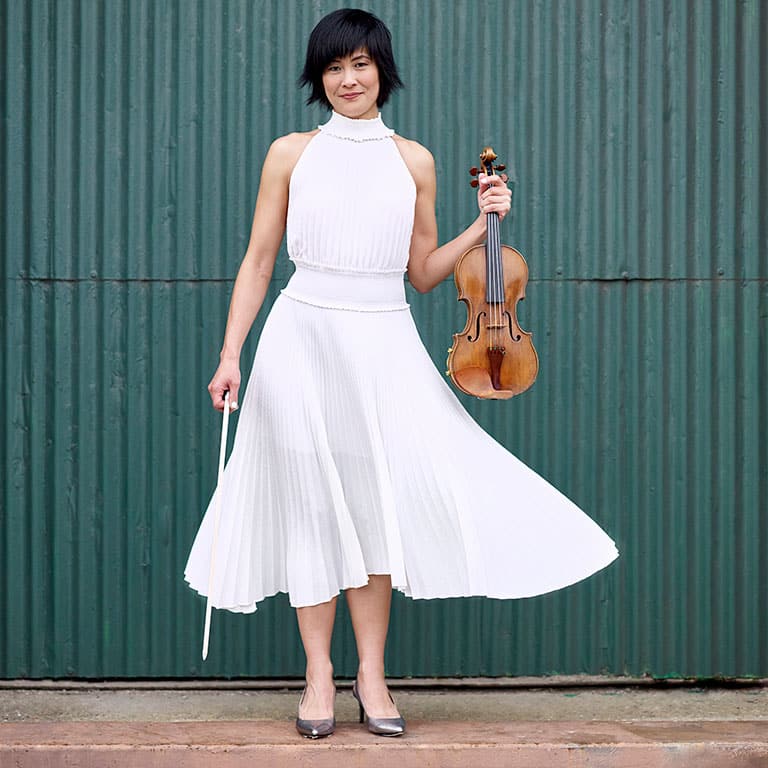
ROCKPORT — “Hold infinity in the palm of your hand,” William Blake wrote, and if you can hold a violin, you can produce the infinity of Bach’s six sonatas and partitas — three of each — for the unaccompanied instrument. Of course, you have to be able to play these formidable pieces, which encompass an encyclopedia of technique, and then you have to sort Bach’s linear notation into discrete voices, so that you seem to be conversing with yourself. You might even try to induce the audience to “hear” the harmonies you’re not actually able to play. Sunday afternoon at the Rockport Music Festival, Korean-American violinist Jennifer Koh offered, if not infinity, at least a universe.
Bach completed the set in 1720, though it’s not certain that any of the six pieces was performed in his lifetime. It is certain that they represent a major treatise on polyphony. The sonatas are all in four movements: a prelude, fugue, slow air, and finale. The partitas are like dance suites, with varying numbers of movements. Partita No. 2 concludes with the famous Chaconne, in which a theme bookends two sets of 30 four-bar variations.
From her opening notes, a thoughtful sigh through the first phrase of Sonata No. 1, Koh made it clear that she was going to be playing Bach and not just her instrument. Her tempos were measured, giving the voices ample room; they never clogged or clotted. Her intonation was flawless; her tone was sober, at times almost cello-like, not rich and sweet, but not thin or astringent, either. Each of the fugues in the sonatas flowed directly out of the preceding movement, as if new voices had entered the conversation; the double movements that followed the four dance movements in Partita No. 1 were glosses on what had gone before. The Double that followed the Corrente in Partita No. 1 brought the whir of hummingbird wings, but then the opening grave of Sonata No. 2 was marked by searing double stops.
The Chaconne is an infinity all by itself. In Koh’s hands, it was 15 minutes of escalating intensity, the individual variations palpable but also strung together into a whole. The mood lightened in Sonata No. 3, with its children’s round in the Fuga, and in Partita No. 3, where in the Preludio Koh conjured an Irish fiddler. Yet after more than two hours of energetic playing, she could articulate Partita No. 3’s closing Gigue with uncommon delicacy. There was no need for an encore, and she didn’t provide one; Bach’s universe was complete.