

- 05.19.13
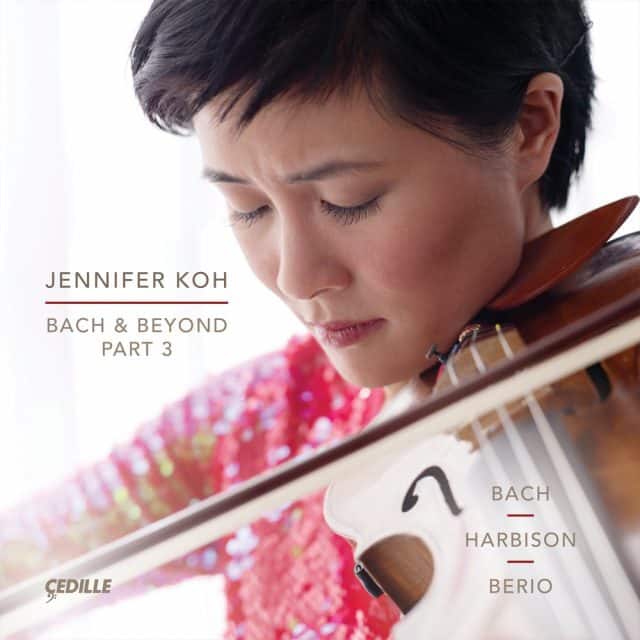
Jennifer Koh - Music review: Oregon Symphony seasons ends with a mesmerizing violin performance
The Oregonian - 05.15.13
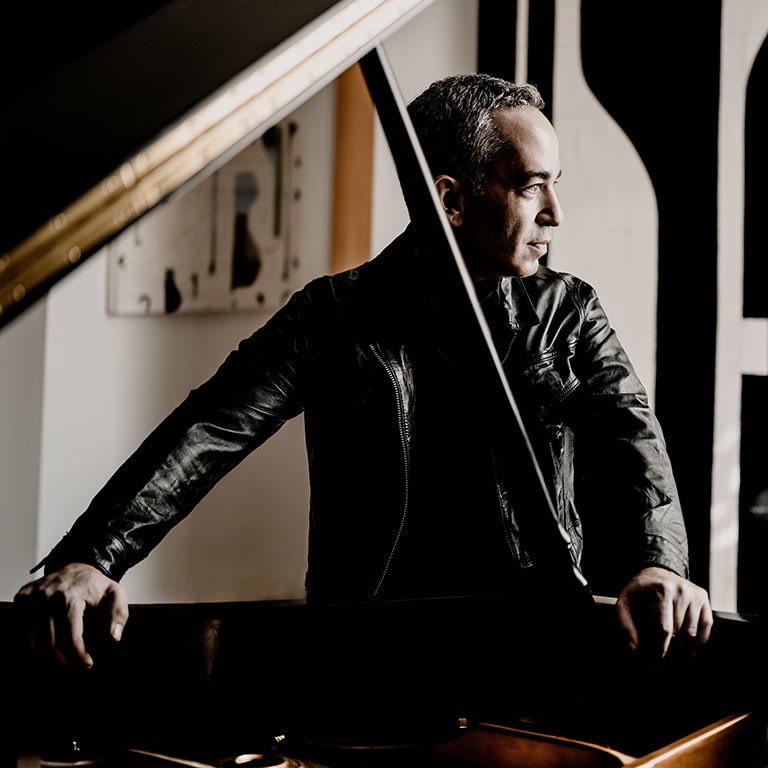
Denis Kozhukhin - Denis Kozhukhin Impresses in Prokofiev’s ‘War Sonatas’
Seen and Heard International - 05.15.13
Kuok-Wai Lio - KUOK-WAI LIO RECEIVES AVERY FISHER CAREER GRANT
Avery Fisher Artist Program - 05.14.13
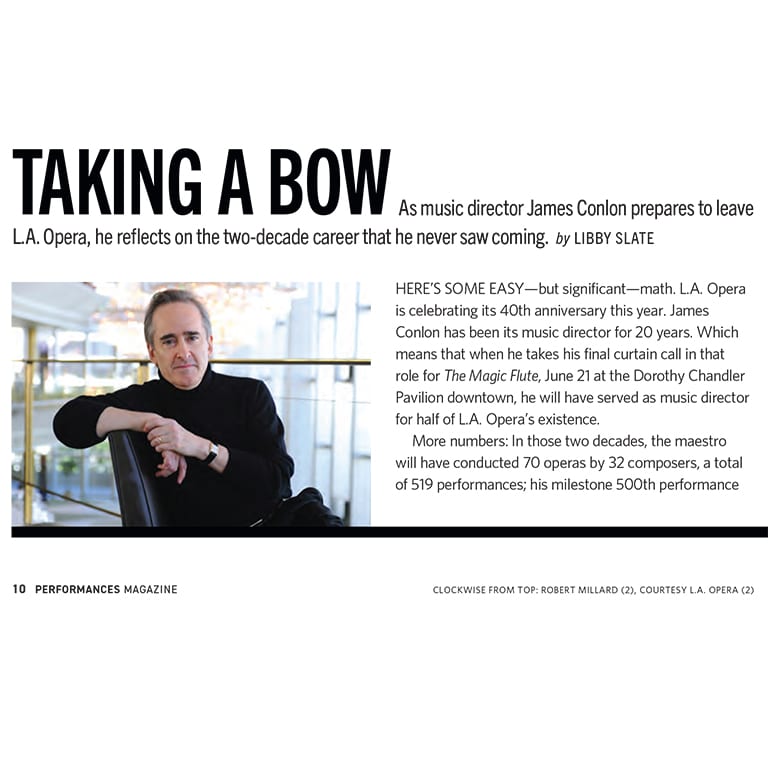
James Conlon - JAMES CONLON OPENS THE 2013 FESTIVAL DE SAINT-DENIS CONDUCTING TWO CONCERTS OF BERLIOZ’S L’ENFANCE DU CHRIST IN HONOR OF SIR COLIN DAVIS WHO WAS SCHEDULED TO CONDUCT THE WORK
Shuman Associates Inc - 05.13.13
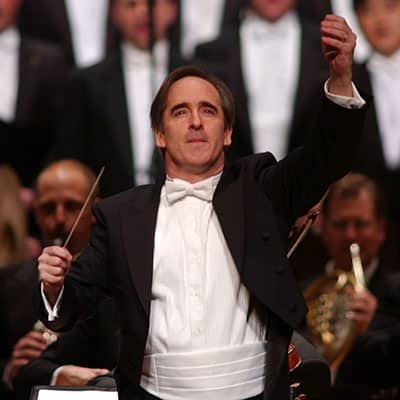
James Conlon - Review: Powerful reading of Mozart Requiem opens May Fest
Cincinnati.com - 05.12.13
James Conlon - Review: May Festival reaches heavenly heights with 'War Requiem'
Cincinnati.com - 05.12.13
Shai Wosner - Pianist Shai Wosner finds Schubert’s dark side
The Washington Post - 05.10.13
Jon Kimura Parker - Jon Kimura Parker Takes on Mussorgsky, Rachmaninoff, Prokofiev & Stravinsky
The SunBreak - 05.10.13
Alexandre Tharaud - OPUS 3 ARTISTS SIGNS ALEXANDRE THARAUD
- 05.09.13
Sir Andrew Davis - Review: Philharmonia Orchestra, St David’s Hall, Cardiff
Wales Online
ARTIST NEWS
Review: IU Festival Orchestra
06.18.12
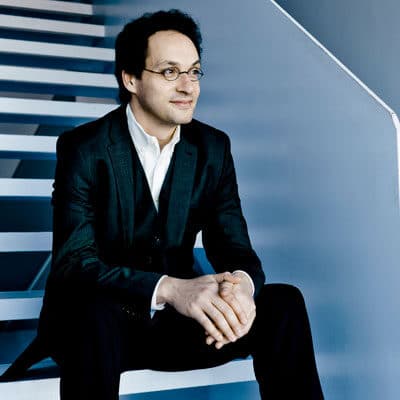
Matthias Pintscher
Bloomington Herald-Times
By Peter Jacobi
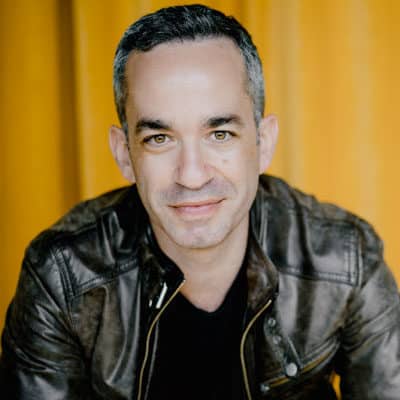
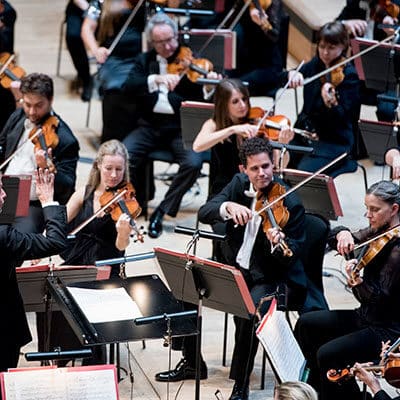
The Festival Orchestra played like a festival orchestra on Friday evening, offering the audience in the Musical Arts Center an extraordinarily well-prepared feast of Beethoven’s Symphony Number 5, Stravinsky’s “Petrushka,” and “towards Osiris,” a work of very recent vintage written by the guest conductor.
His name is Matthias Pintscher, and he certainly scored on his first-ever visit to Bloomington. The orchestra, though constituted only a matter of weeks ago, sounded veteran and amazingly unified.
Because Maestro Pintscher opened with his own piece, something unfamiliar, audience response built slowly. The short, seven-minute-or-so composition received a friendly but restrained reaction. Its music, however — meant to reflect both a contemporary painting Pintscher admires and the Osiris myth itself — is stunningly clever, featuring percussion-favoring and very skillful orchestration; in subtle content, “towards Osiris” suggests mystery, danger, and destiny. One yearns to hear it again.
“Petrushka” was up next. Its reading was a revelation, a stirring reminder of Stravinsky’s greatness. The landscape of this ballet score is amazingly fertile thematically, acutely sculpted orchestrally, and keenly delineated so that every motif stands out, no matter how multi-layered the music becomes. Pintscher highlighted the sculpture and made sure the musicians accented each theme from another, each rhythm from another, each soloist or instrumental grouping from another. The performance was transfixing.
As the Beethoven Fifth unfolded, one could imagine Beethoven himself wrestling with the music, struggling to express what was troubling him at the time: family circumstances, oncoming deafness, and the depressing reality of a Napoleon on the rise, not as the champion for liberty that Beethoven first believed he would be but as dictator. The performance was absolutely fresh, almost as if the symphony was newly created. It was technically alert, too, and interpretively riveting, very exciting to hear. The audience roared approval.