
- 05.23.13
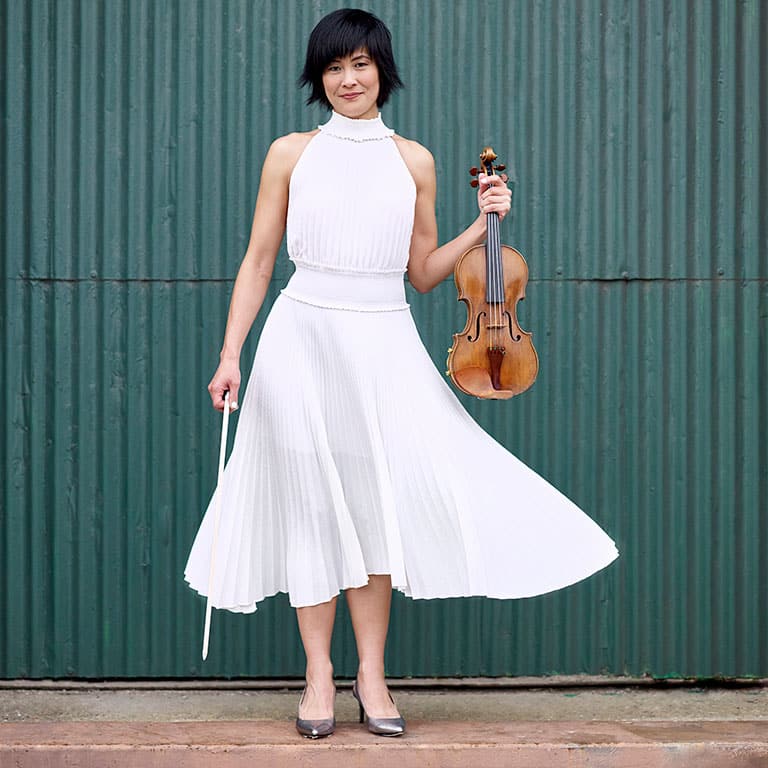
Jennifer Koh - Interview: Classical Violinist Jennifer Koh Finds Her Own Path to Music with Meaning
Asia Society - 05.23.13
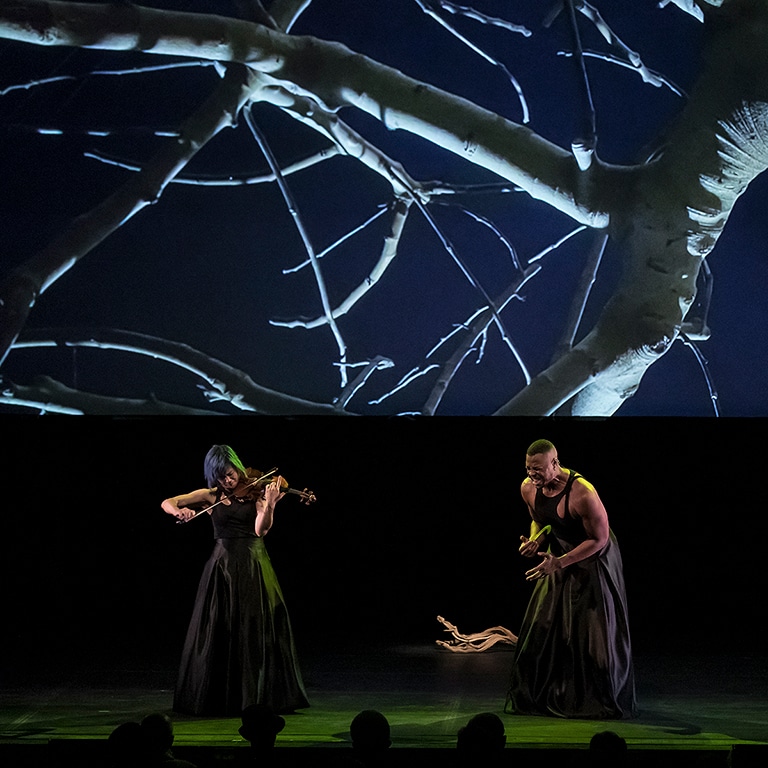
Andriana Chuchman, Michael Todd Simpson, Morris Robinson, Francesca Zambello - Review: Show Boat Is Sensational at Washington National Opera
Huffington Post - 05.21.13
Jon Kimura Parker - Review: Rite- Jon Kimura Parker
allmusic - 05.20.13
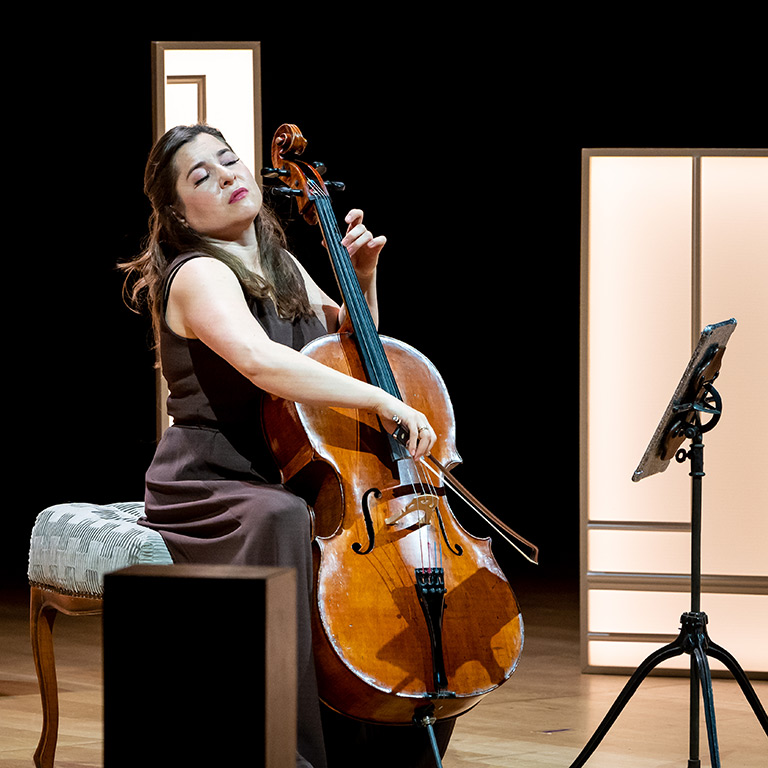
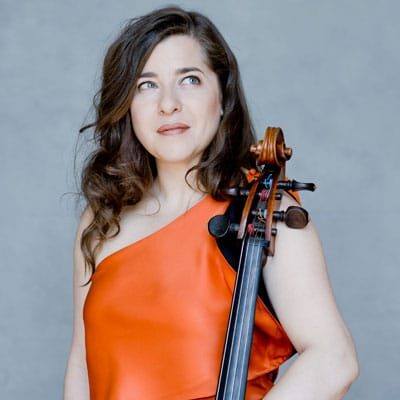
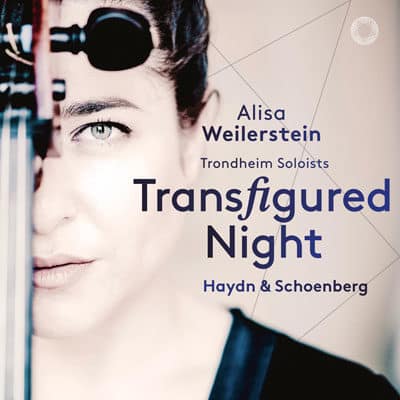
Alisa Weilerstein - Review: Alisa Weilerstein's star turn with L.A. Chamber Orchestra
Los Angeles Times - 05.19.13
Jennifer Koh - Music review: Oregon Symphony seasons ends with a mesmerizing violin performance
The Oregonian - 05.18.13
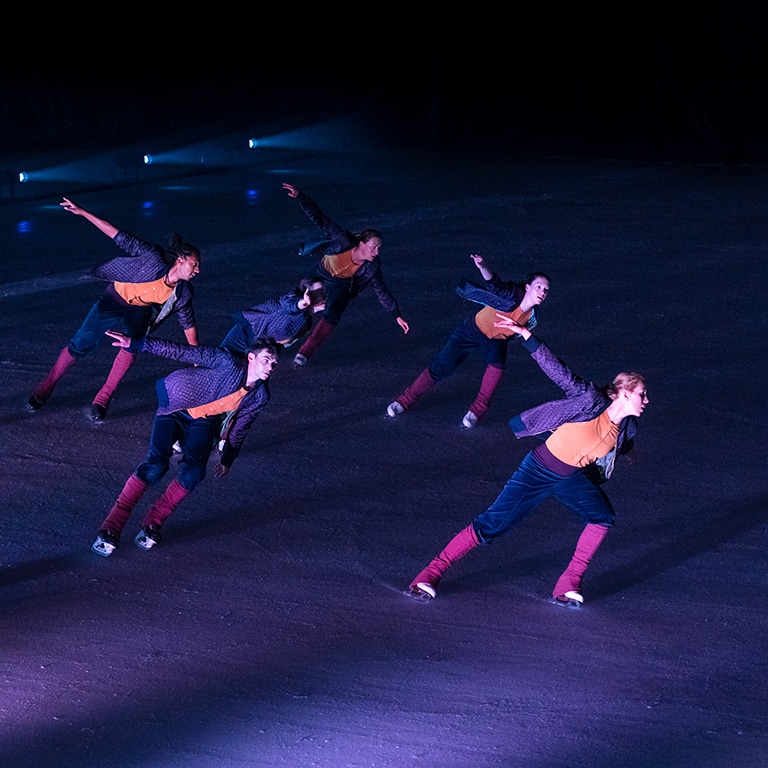
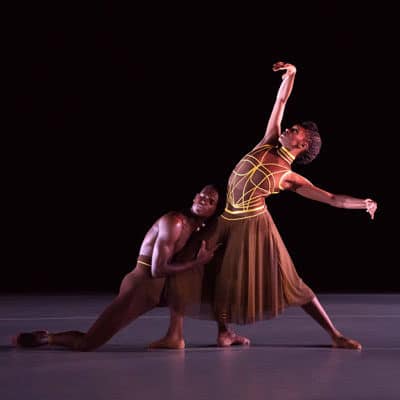
Alvin Ailey American Dance Theater - A bold, diverse opening night for Alvin Ailey
Boston Globe - 05.18.13
Jon Kimura Parker - Nearly 100 musicians to play Stravinsky's 'Rite of Spring' for Florida Orchestra
Tampa Bay Times - 05.17.13
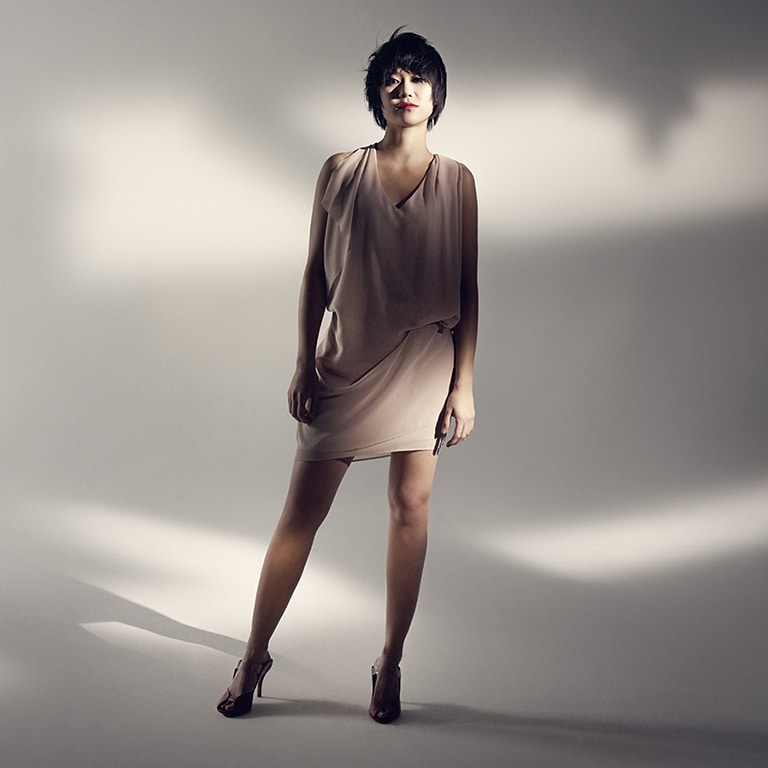
Yuja Wang - Restrained, Then Madly Lyrical: The Pianist as Spring Mechanism
The New York Times - 05.15.13
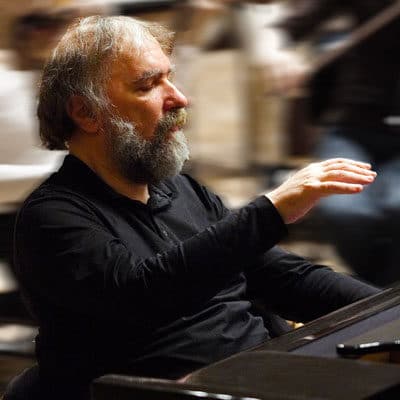
Denis Kozhukhin - Denis Kozhukhin Impresses in Prokofiev’s ‘War Sonatas’
Seen and Heard International - 05.15.13
Kuok-Wai Lio - KUOK-WAI LIO RECEIVES AVERY FISHER CAREER GRANT
Avery Fisher Artist Program
ARTIST NEWS
Selections by the French, From Tortured to Carefree
05.20.12
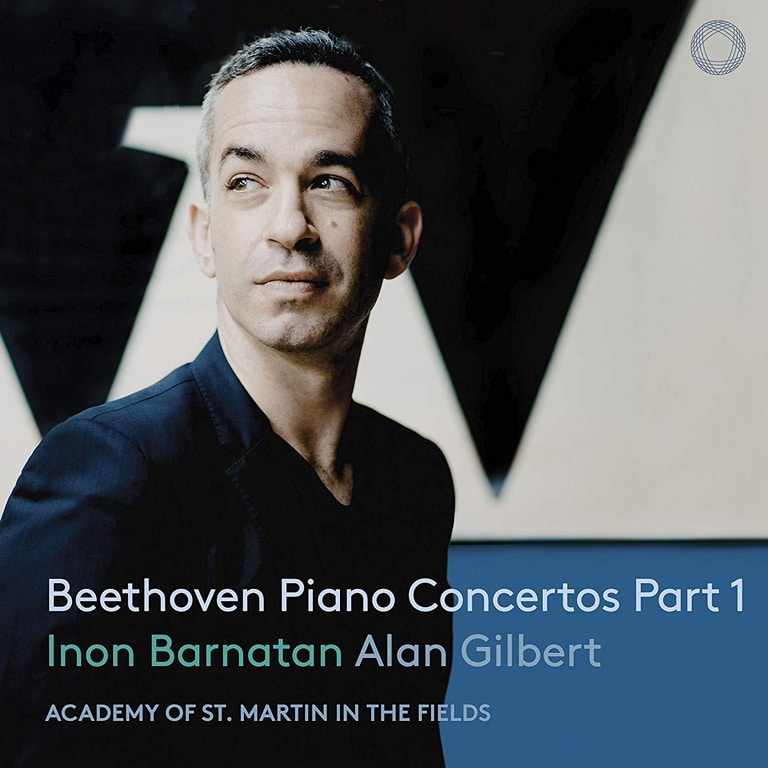
Inon Barnatan
The New York Times
By Vivien Schweitzer
Saint-Saëns and Chausson on Lincoln Center Program
The French composer Ernest Chausson was puzzled by his bouts of depression, which occurred despite a seemingly charmed life that included a contented marriage, children, good health and an inherited wealth that allowed him to compose at leisure. But while he didn’t suffer the financial woes and chaos that often plague artistic careers, what he described as his “wretched, uneasy and violent brain” led him to write melancholy, tortured music.
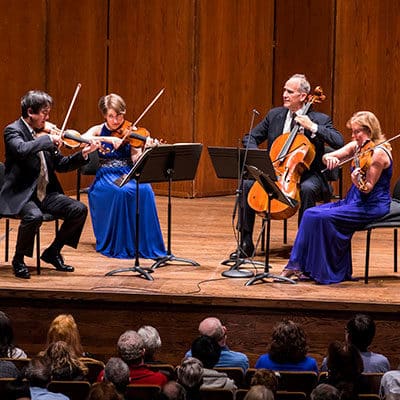
A sense of despair certainly pervades the Grave movement of Chausson’s Concerto in D for Violin, Piano and String Quartet, which received a full-blooded, inspired performance from the Chamber Music Society of Lincoln Center in the last program of its season on Friday evening at Alice Tully Hall. Chausson, sometimes accused of having been an amateur composer, since he didn’t earn (or need to earn) a living writing music, enjoyed a major success and fleeting happiness with the premiere of this work in 1892.
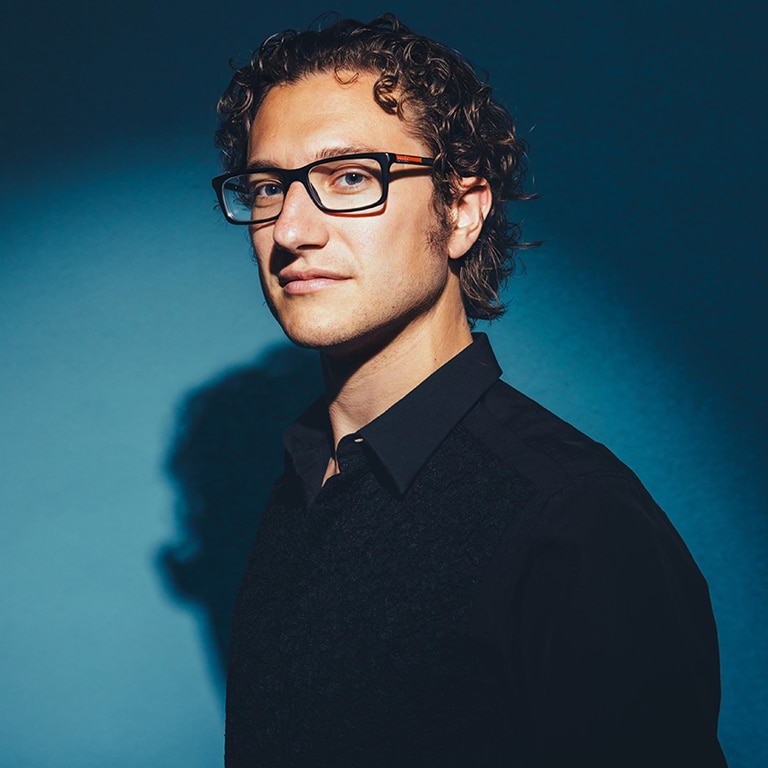
The pianist booked for that premiere declined because of the score’s difficulty. But on Friday the excellent pianist Inon Barnatan sailed through the challenging passages with flair, playing with poise, passion and a beautiful sound, beginning with his pearly tone in the rippling arpeggios of the opening movement.
His colleagues — the violinist Elmar Oliveira in the solo part; Jessica Lee and Kristin Lee, violinists in the quartet; Beth Guterman, violist; and Andreas Brantelid, cellist — also played with polish and commitment in the unusually constructed work, part chamber music and part double concerto.
There is no sense of a tortured soul in Saint-Saëns’s Piano Trio No. 1 in F, which opened the program. Saint-Saëns is thought to have composed the work on a holiday in the Pyrenees, and his biographer, the Irish musicologist Arthur Hervey, described it as “the evident outcome of youthful spontaneity, suggesting the lightheartedness of one who has for the time being thrown cares to the wind.”
The genial nature of this melodious, sensually scored trio was elegantly revealed in a passionate interpretation by the pianist Juho Pohjonen, Jessica Lee and Mr. Brantelid. This was the first time the Chamber Music Society has presented the work.
Saint-Saëns’s Violin Sonata No. 1 in D minor is darker hued; French Romanticism at its lushest. Mr. Pohjonen and Mr. Oliveira dexterously navigated both its bravura challenges and its more intimate moments.