
- 05.15.13
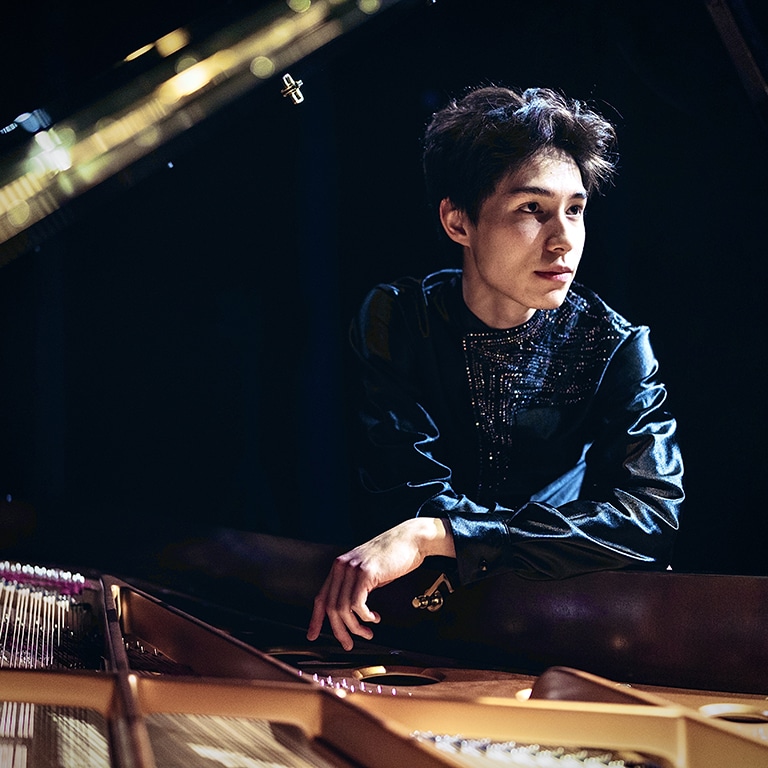
Denis Kozhukhin - Denis Kozhukhin Impresses in Prokofiev’s ‘War Sonatas’
Seen and Heard International - 05.15.13
Kuok-Wai Lio - KUOK-WAI LIO RECEIVES AVERY FISHER CAREER GRANT
Avery Fisher Artist Program - 05.14.13
James Conlon - JAMES CONLON OPENS THE 2013 FESTIVAL DE SAINT-DENIS CONDUCTING TWO CONCERTS OF BERLIOZ’S L’ENFANCE DU CHRIST IN HONOR OF SIR COLIN DAVIS WHO WAS SCHEDULED TO CONDUCT THE WORK
Shuman Associates Inc - 05.13.13
James Conlon - Review: Powerful reading of Mozart Requiem opens May Fest
Cincinnati.com - 05.12.13
James Conlon - Review: May Festival reaches heavenly heights with 'War Requiem'
Cincinnati.com - 05.12.13
Shai Wosner - Pianist Shai Wosner finds Schubert’s dark side
The Washington Post - 05.10.13
Jon Kimura Parker - Jon Kimura Parker Takes on Mussorgsky, Rachmaninoff, Prokofiev & Stravinsky
The SunBreak - 05.10.13
Alexandre Tharaud - OPUS 3 ARTISTS SIGNS ALEXANDRE THARAUD
- 05.09.13
Sir Andrew Davis - Review: Philharmonia Orchestra, St David’s Hall, Cardiff
Wales Online - 05.09.13
Sir Andrew Davis - Philharmonia Orchestra, St David's Hall
South Wales Argus
ARTIST NEWS
Discovery Ensemble shines at Sanders
11.08.11
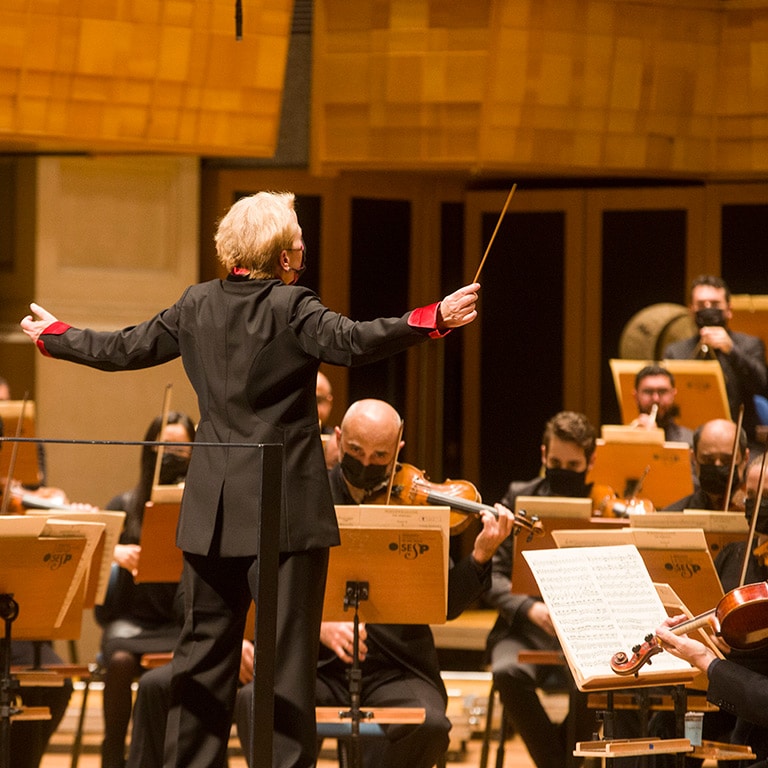
Courtney Lewis
Boston Globe
By Matthew Guerrieri
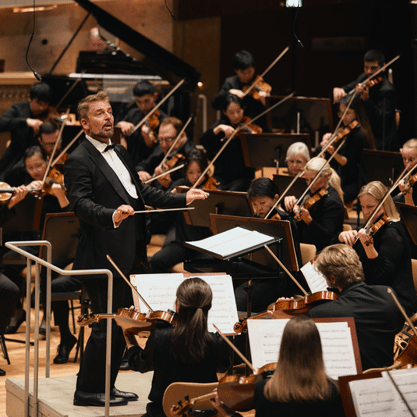
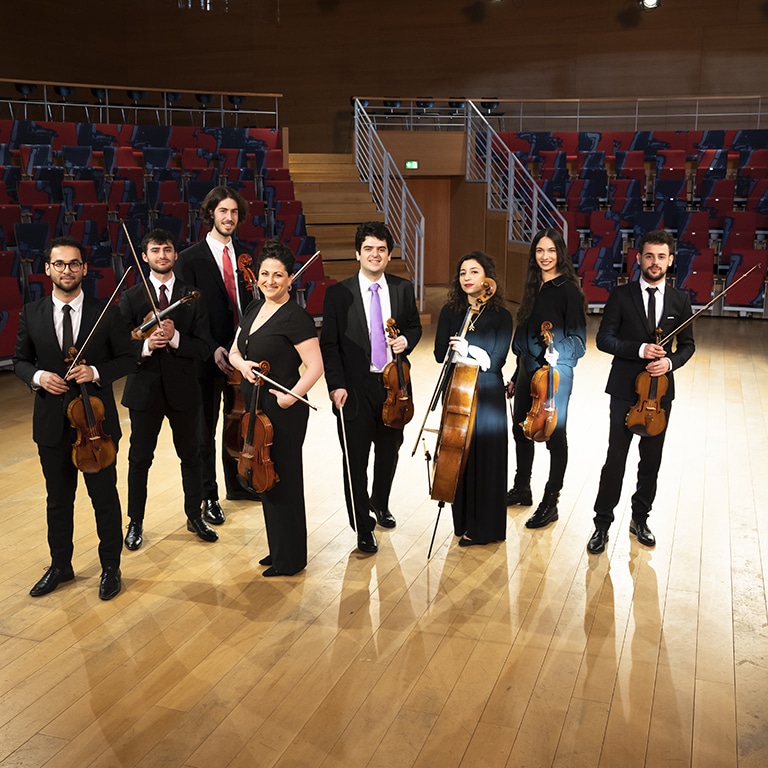
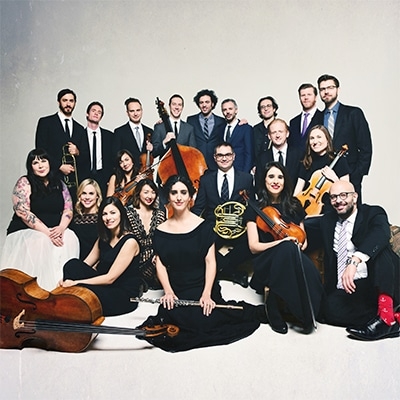
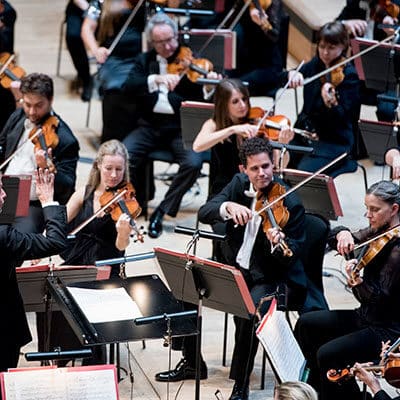
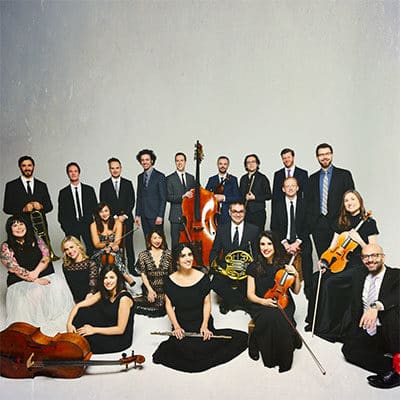
CAMBRIDGE - Elegance and energy seemed posited as opposite poles for the Discovery Ensemble’s second concert of the season, at Sanders Theatre on Sunday. It’s a false dilemma - the group and their conductor, Courtney Lewis, have made their reputation on demonstrating that extravagance and youthful brashness can be wholly complementary. But even the staged debate was diverting entertainment.
The group started strong. Their performance of Maurice Ravel’s “Ma mère l’oye’’ (the “Mother Goose’’ suite) was uncannily sure and smooth, every phrase floating in with velvety precision. The style invited attention to detail, and detail was lovingly attended to.
But the regard was consistently musical. The way Lewis and the ensemble shaped the suite’s final note, thoughtfully considered from attack to sustain to release, was indicative of the ravishing care.
“Khorovod,’’ a 15-player essay by the British composer Julian Anderson, borrows its name from Russian dance, and, as Lewis and the players demonstrated in brief live-action program notes, Anderson’s jargon is indebted to such folk influences.
But “Khorovod’’ also seems predicated on seeing how much rhythmic energy it can generate without choosing a groove to settle into. Most of the time, it was a smashing party - the hubbub of different timeframes rendered with insistent clarity. At a certain point, the performance and, perhaps, the piece, became saturated to the point that all that was left to go on was sheer density. But at least one was left hung over from an overload of imagination, rather than a paucity.
The first half’s contrasting threads were efficiently gathered in Aaron Copland’s Clarinet Concerto, which pairs a movement of airy Franco-American lyricism with one of bouncy, stylized dance (though, unlike Anderson, Copland neatly partitions his grooves, a bento box instead of mulligan stew).
Soloist (and Boston Symphony principal) William Hudgins put musical cleanliness next to musical godliness. And Franz Joseph Haydn’s Symphony No. 90 concluded the afternoon, in a performance eagerly shaking off any hypothetical Classical-era cobwebs.
The opening Allegro assai was a toboggan ride, the Andante was dispatched with comparative (and somewhat unwieldy) alacrity, and the Menuet was fairly hobnailed - the better, perhaps, to echo Anderson’s rusticity. The finale got big fast, but to have a conductor and ensemble with enough panache to sell Haydn’s false ending such that the audience is totally fooled - twice, no less - is, indeed, a welcome extravagance.