
- 05.15.13
Denis Kozhukhin - Denis Kozhukhin Impresses in Prokofiev’s ‘War Sonatas’
Seen and Heard International - 05.15.13
Kuok-Wai Lio - KUOK-WAI LIO RECEIVES AVERY FISHER CAREER GRANT
Avery Fisher Artist Program - 05.14.13
James Conlon - JAMES CONLON OPENS THE 2013 FESTIVAL DE SAINT-DENIS CONDUCTING TWO CONCERTS OF BERLIOZ’S L’ENFANCE DU CHRIST IN HONOR OF SIR COLIN DAVIS WHO WAS SCHEDULED TO CONDUCT THE WORK
Shuman Associates Inc - 05.13.13
James Conlon - Review: Powerful reading of Mozart Requiem opens May Fest
Cincinnati.com - 05.12.13
James Conlon - Review: May Festival reaches heavenly heights with 'War Requiem'
Cincinnati.com - 05.12.13
Shai Wosner - Pianist Shai Wosner finds Schubert’s dark side
The Washington Post - 05.10.13
Jon Kimura Parker - Jon Kimura Parker Takes on Mussorgsky, Rachmaninoff, Prokofiev & Stravinsky
The SunBreak - 05.10.13
Alexandre Tharaud - OPUS 3 ARTISTS SIGNS ALEXANDRE THARAUD
- 05.09.13
Sir Andrew Davis - Review: Philharmonia Orchestra, St David’s Hall, Cardiff
Wales Online - 05.09.13
Sir Andrew Davis - Philharmonia Orchestra, St David's Hall
South Wales Argus
ARTIST NEWS
Brilliance from Curtis’ ephemeral orchestra
04.26.10
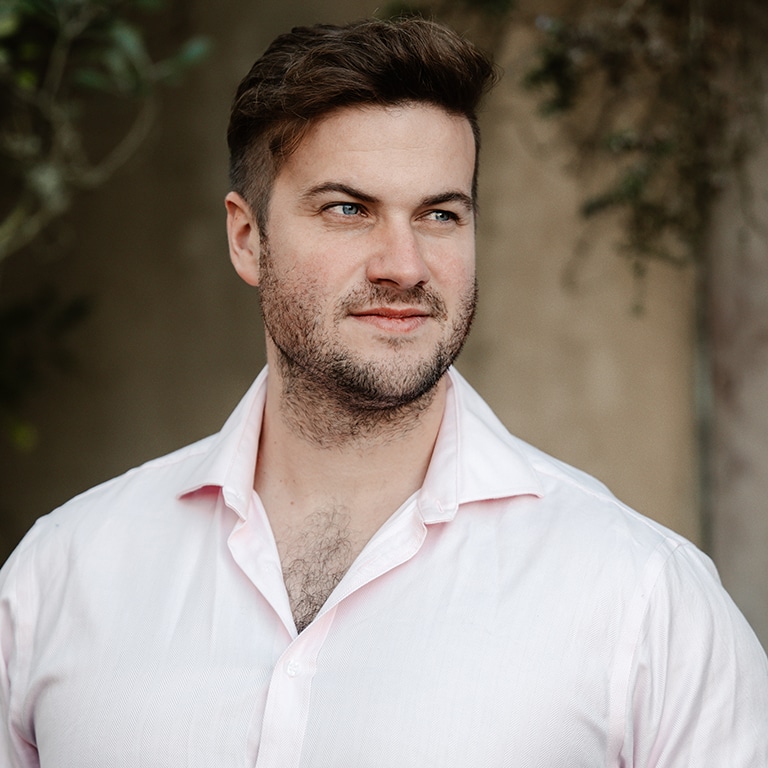
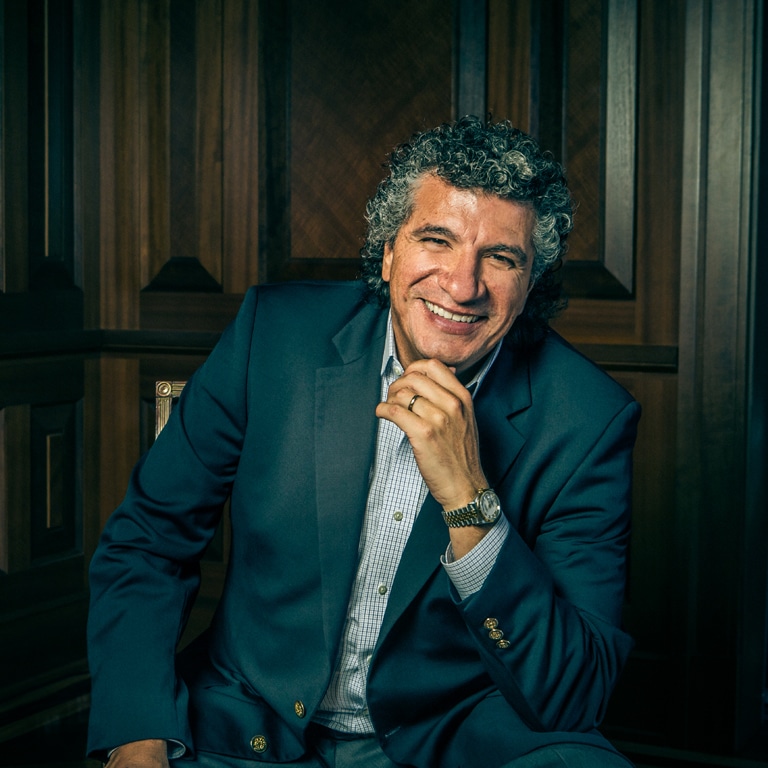
Giancarlo Guerrero
Philadelphia Inquirer
By Peter Dobrin
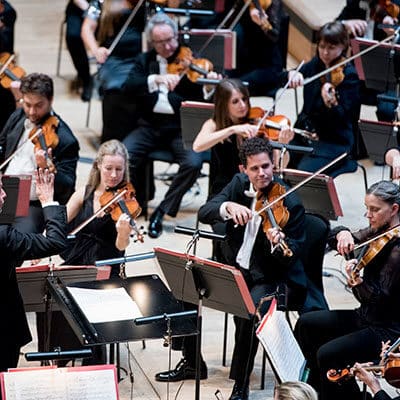
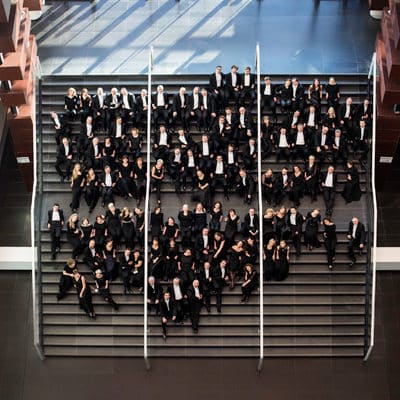
The city's most impressive orchestra of a certain age is also its most ephemeral. Saturday night at Verizon Hall, it took on a bear of a program - and then disbanded forever.
Some of these students of the Curtis Institute of Music graduate next month, which means the group heard in this concert will never materialize again. And yet, year after year, replenishment arrives, creating the almost miraculous illusion of intensifying ensemble cohesiveness.
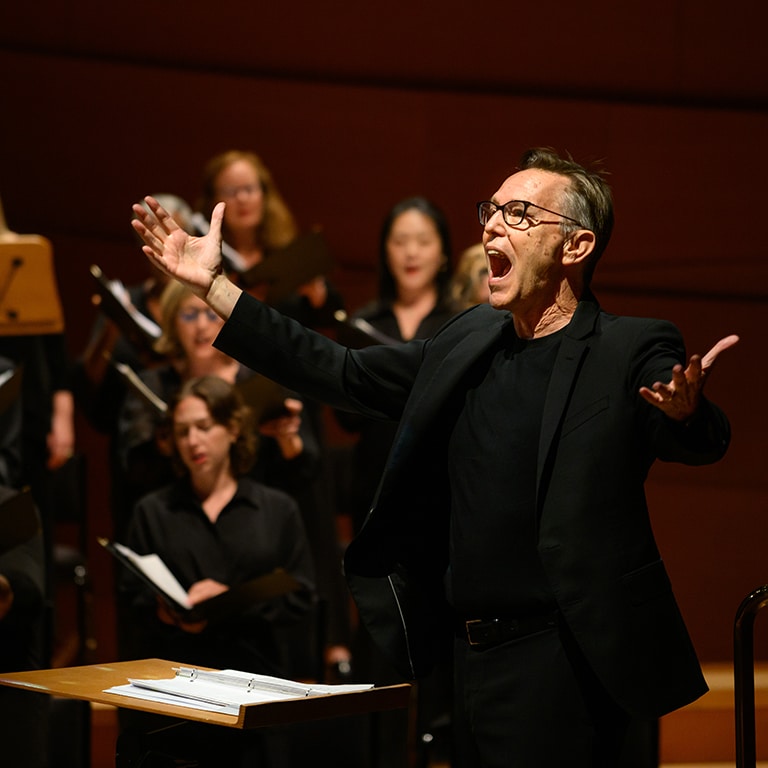
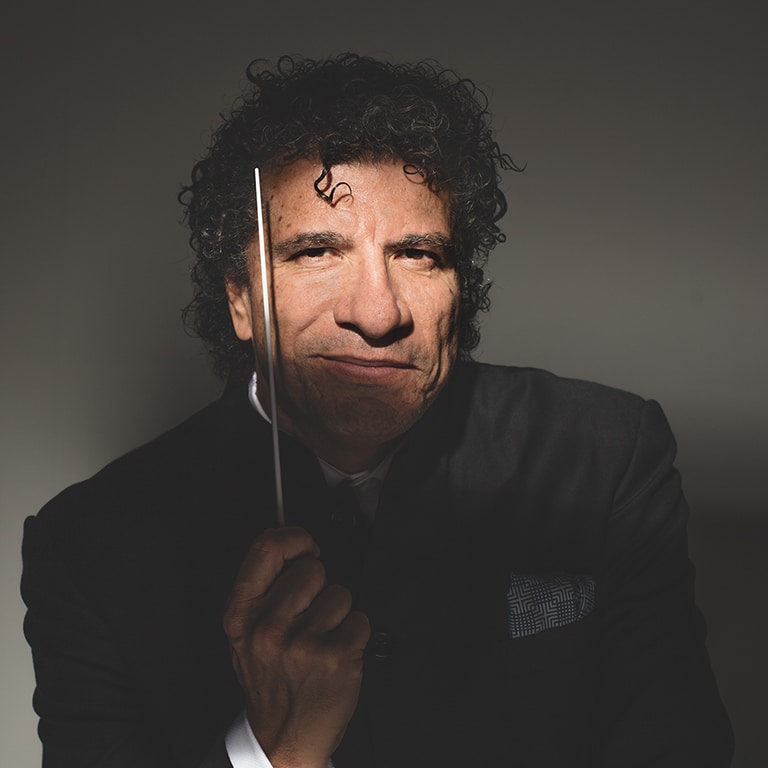
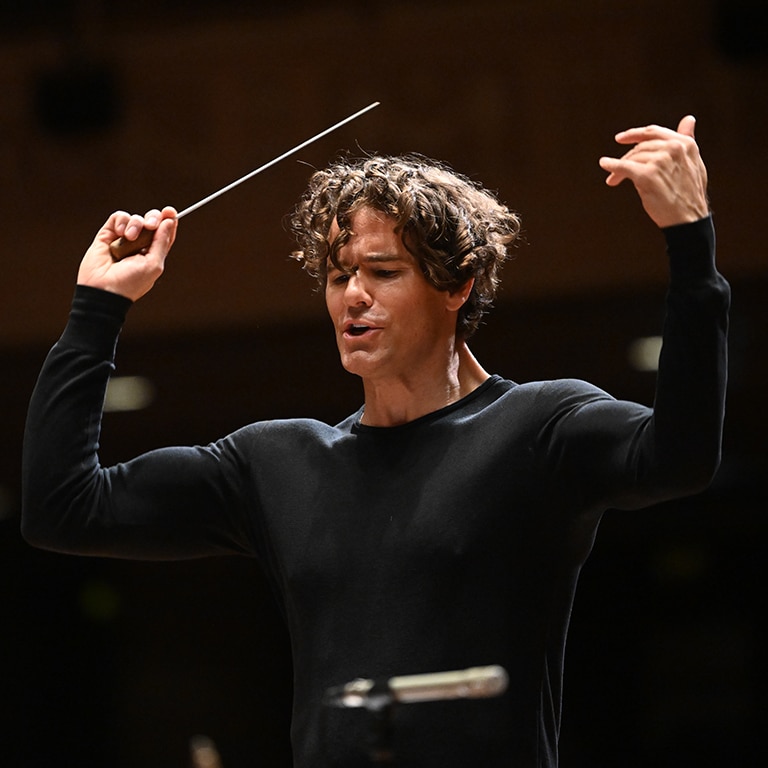
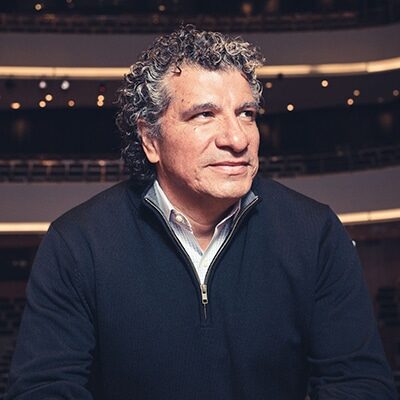
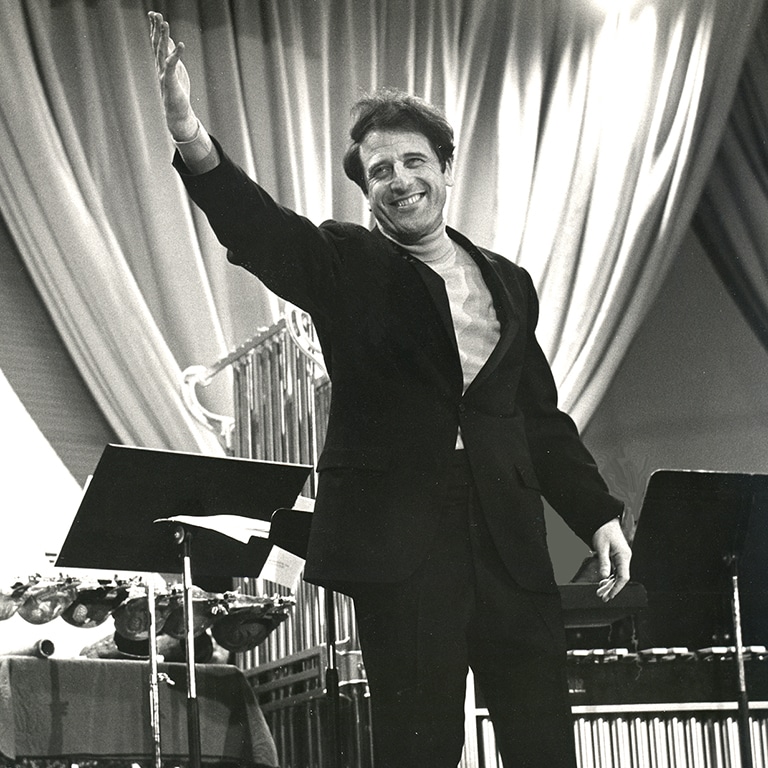
Maybe the level of playing really is getting higher; aural memory is a slippery thing. But a lot depends on the podium, and with Giancarlo Guerrero as guest conductor, there was plenty of euphoria in the air. There was also plenty of conductor in the air, since this music director of the Nashville Symphony Orchestra favored an unusually aerobic style. He jumped and jabbed, shook his arms at the heavens, and at one point, if I'm not mistaken, actually hopped (the podium must be bigger than it looks).
A professional orchestra might not have been able to find enough rehearsal time to polish a program as challenging as this one, but students don't come armed with labor contracts. The special techniques in Ligeti's Atmosphères (1961) - brass players whooshing air through their instruments, two pianists standing over an open grand piano to apply jazz brushes to the strings - no doubt opened their eyes to a universe of sounds beyond the 19th-century core traditions enshrined at Curtis. They emerged as experts.
Guerrero didn't give the audience a chance to weigh in on the work's dissonant clusters and pseudo-electronic buzzing, launching into Strauss' Also sprach Zarathustra - referring to, as with the Ligeti, 2001: A Space Odyssey - without pause. Some of his expressive instincts veer toward the overwrought, but the students adapted easily. Concertmaster Joel Link wove a graceful ease into his solo work.
The Symphony No. 1 by Curtis boy Samuel Barber opened. Guerrero's tempo in the one-movement work's slow section was just right, allowing oboist Korey Marshall to flourish.
Mussorgsky's Songs and Dances of Death marked the confluence of enough magnificence that it could have been repeated two or three times without sounding old. Curtis alumnus John Relyea was the bass-baritone soloist. In student days, his was a fine voice. Now, however, he glows. His timbres took on startlingly different shades, and he exerted an enormous presence, but without strain.
Written for piano and voice, these songs were never orchestrated by Mussorgsky, and rather than falling back on the common Shostakovich orchestration, Relyea performed Finnish composer Kalevi Aho's reworking. Aho references Mahler, and in one clever spot makes a nod to Ravel's repainting of Pictures at an Exhibition. It's genius layered upon genius. As the best orchestral song cycles do, this version preserves a hospitable atmosphere for the voice, but also creates a role for the orchestra so inventive it conjures a new equal partner - which, with an orchestra this fine, was a very good thing.