
- 10.01.10
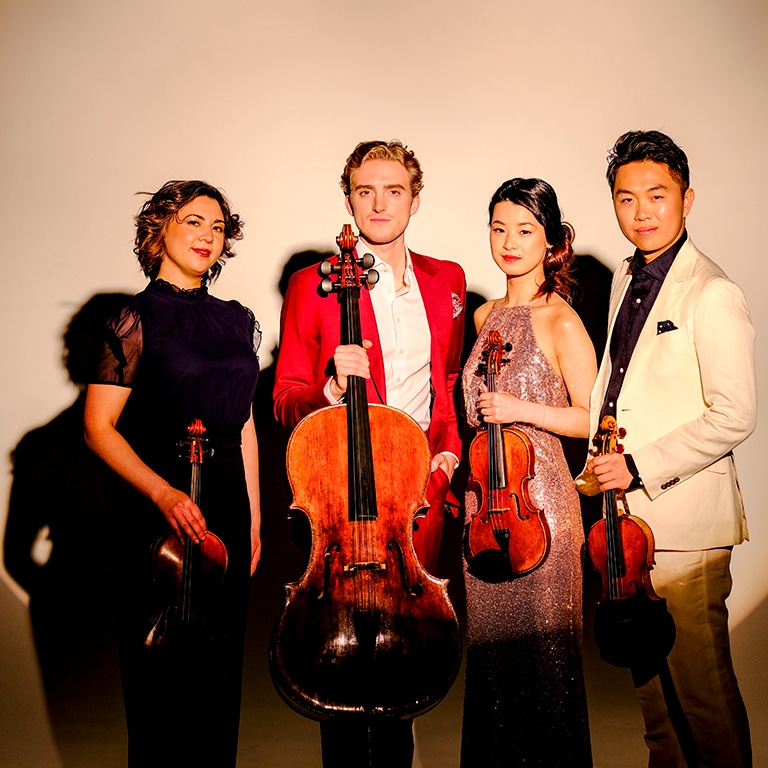
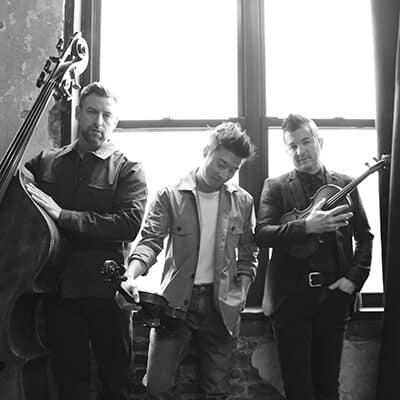
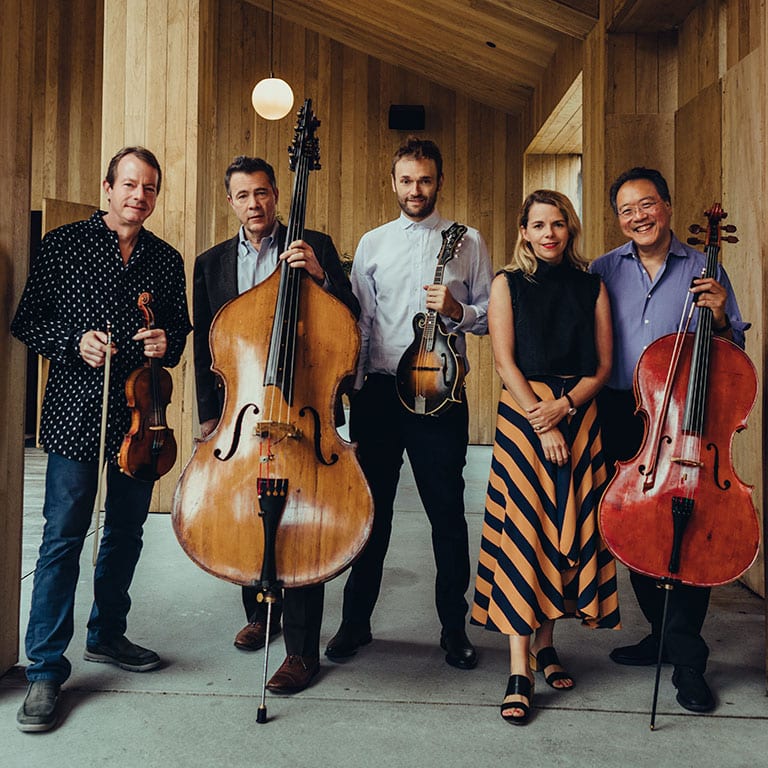
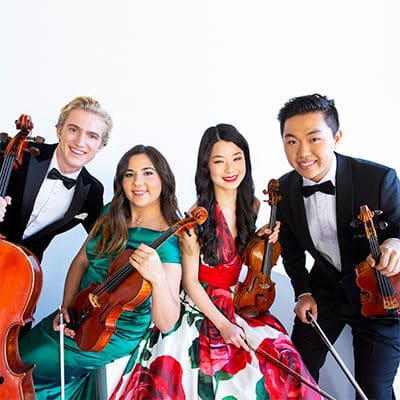
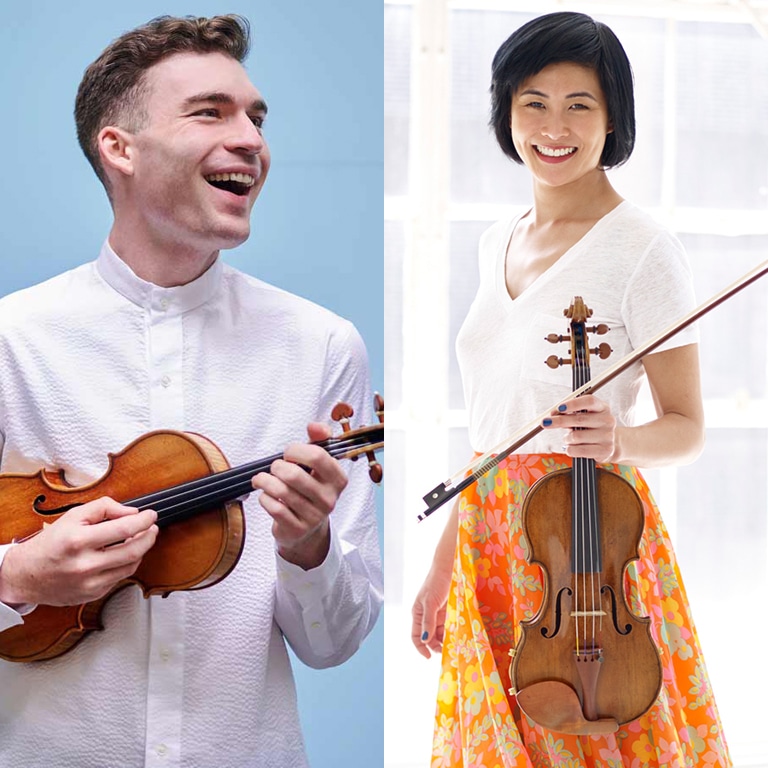
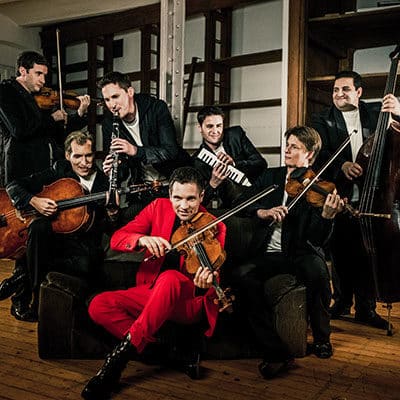
Brooklyn Rider - "Dominant Curve”
Strings Magazine - 09.16.10
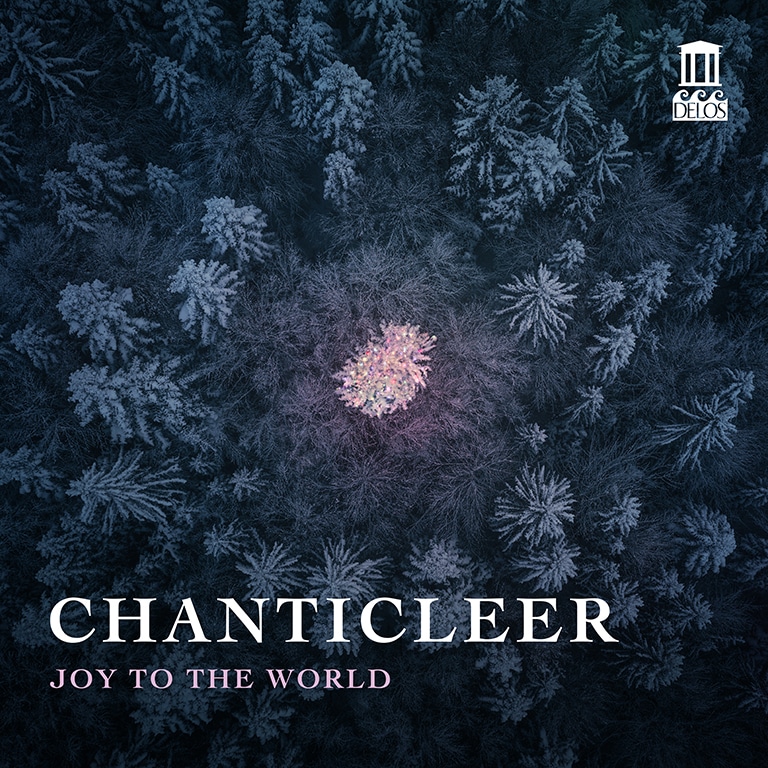
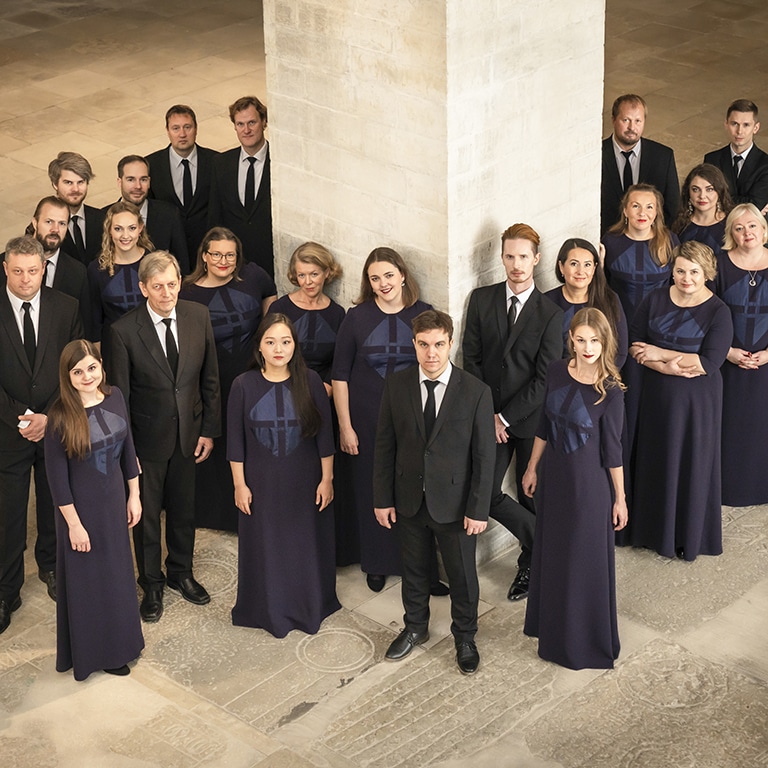
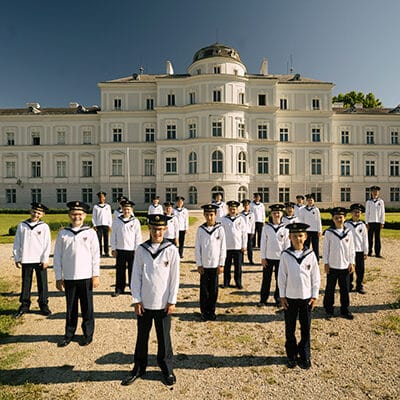
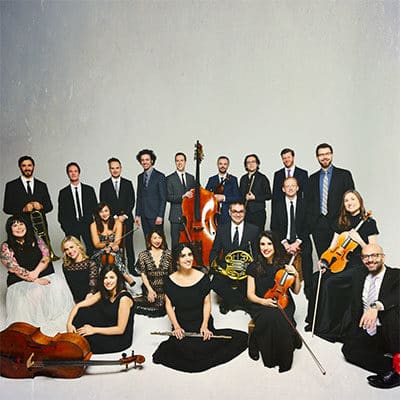
Chanticleer - Chanticleer: Out of This World
San Francisco Classical Voice - 09.07.10
Daniel Bernard Roumain (DBR) - TUNE TO PBS TONIGHT & WATCH THE PREMIERE OF OFF & RUNNING SCORED BY DBR
PBS - 09.06.10
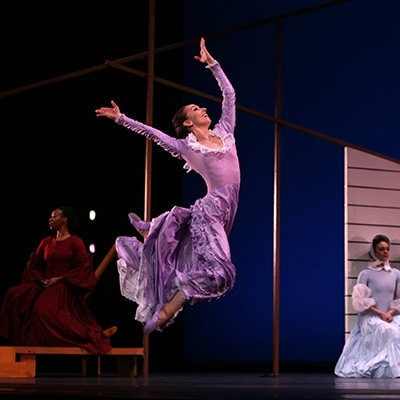
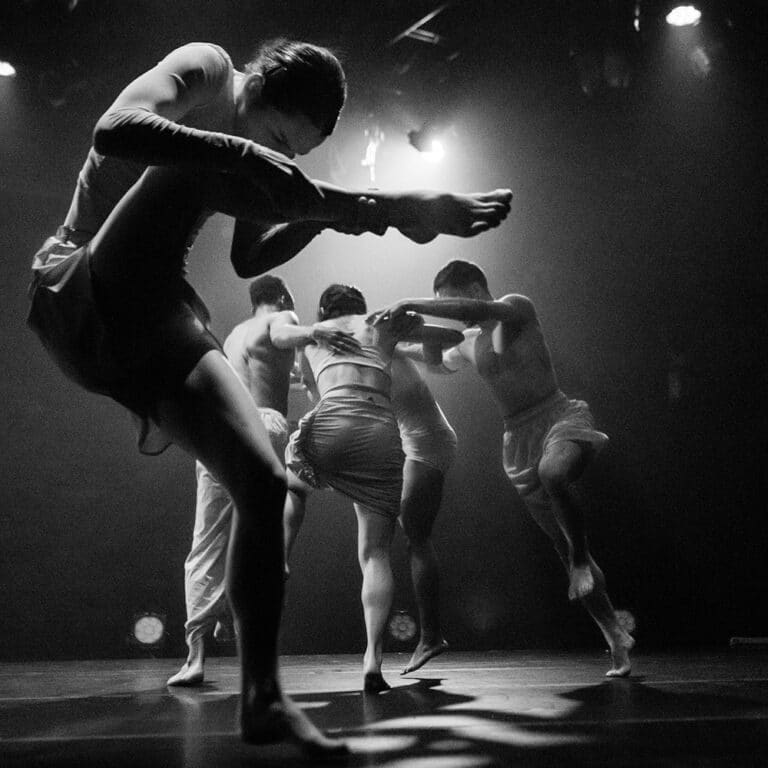
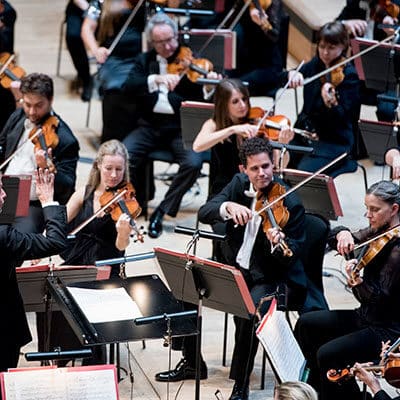
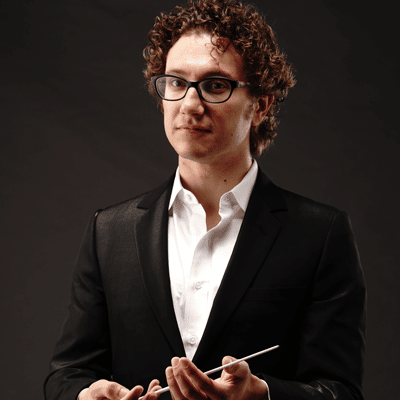
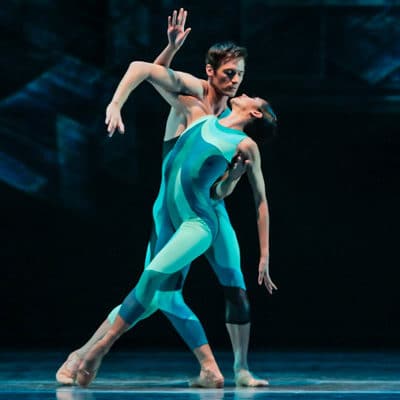
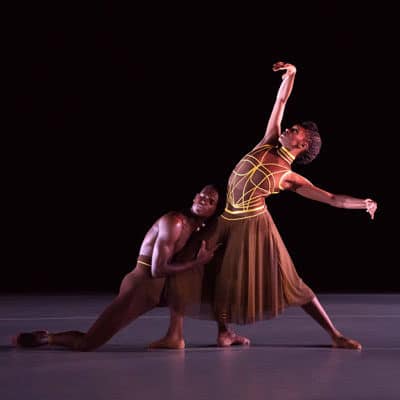
Cleveland Orchestra , Tito Muñoz, Joffrey Ballet - Another glorious evening of dance and live music by Joffrey Ballet and Cleveland Orchestra
Cleveland Plain Dealer - 09.03.10
International Tchaikovsky Competition - Tchaikovsky 2011 laureates to be managed worldwide by leading artist agencies
International Tchaikovsky Competition - 09.02.10
Alvin Ailey American Dance Theater - JUDITH JAMISON TO BE HONORED AT WHITE HOUSE DANCE SERIES PRESENTED BY FIRST LADY MICHELLE OBAMA
Alvin Ailey Press Room - 09.02.10
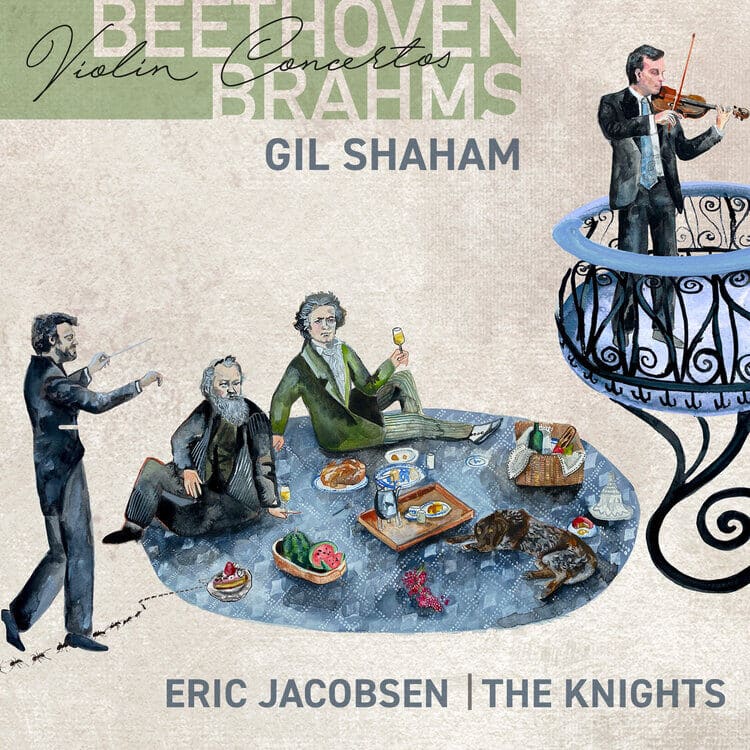
The Knights - Knights could be called a classical garage band
Pioneer Local - 08.30.10
Donald Runnicles - EIF: A new wonder of the world
Herald Scotland - 08.28.10
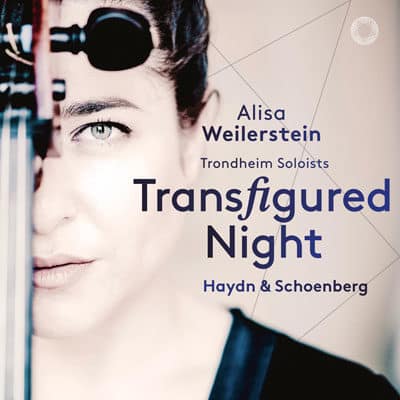
Alisa Weilerstein, Minnesota Orchestra - Prom 56: Minnesota Orchestra / Vanska, Royal Albert Hall, London
The Independent (UK) - 08.26.10
Osvaldo Golijov, Golijov's La Pasión según San Marcos - The Passion of Osvaldo Golijov
Bluefat
ARTIST NEWS
Night of Persian Tradition, Intimate and Meditative
10.20.08
Masters of Persian Music-Three Generations
The New York Times
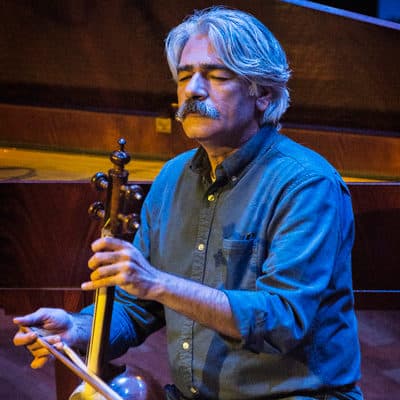
Improvisation in Iran is the province of experts who have memorized a core set of works known as the radif, which consists of about 200 short modal pieces called gushehs. On Saturday night at Zankel Hall, the Iranian kamancheh player Kayhan Kalhor and his ensemble wove their extemporizing into long contemplative interludes in a program of Persian classical music.
The concert began with an intense, haunting solo by Mr. Kalhor, who held his kamancheh — a small spiked fiddle — upright, while kneeling on a purple cushion. The instrument makes a wide range of sounds, from a nostalgic timbre (like the soft-spoken viola da gamba) in the lower register to a much brighter, clearer hue in the upper register.
When Mr. Kalhor performed, it sounded like a conversation among several instruments, with the varying timbres at times evoking the wailing pleas of disconsolate lovers. From a simple, muted beginning, the music became more intense and embellished, as ornate melodies and ornaments unfolded with calligraphic detail above ostinato bass patterns.
Mr. Kalhor then switched to the setar, a plucked Persian lute. He was joined by the vocalist Hamid Reza Nourbakhsh, Siamak Jahangiry on ney (flute) and Behrooz Jamali on tombak (goblet drum) for three songs interspersed with improvised interludes. In Mr. Kalhor’s setar solos, as with his solos on kamancheh, it sounded as if he were playing multiple instruments.
Songs in the Persian tradition are often set to poems by medieval mystic poets, and both music and poetry are linked to Sufism, the mystical branch of Islam. The ensemble performed without pause on Saturday, an intimate hour of music that seemed a meditative experience for performer and listener alike. Waves of sound progressed from mournful to more exuberant, then fell back to subdued introspection. The musicians took turns accompanying Mr. Nourbakhsh’s evocative singing, and played solo and as an ensemble, with the earthy timbre of the ney, the gentle rhythms of the tombak and the bright jangly sound of the setar intertwining with poetic refinement.