
- 05.19.13
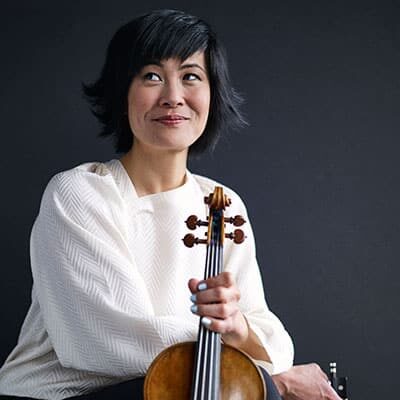
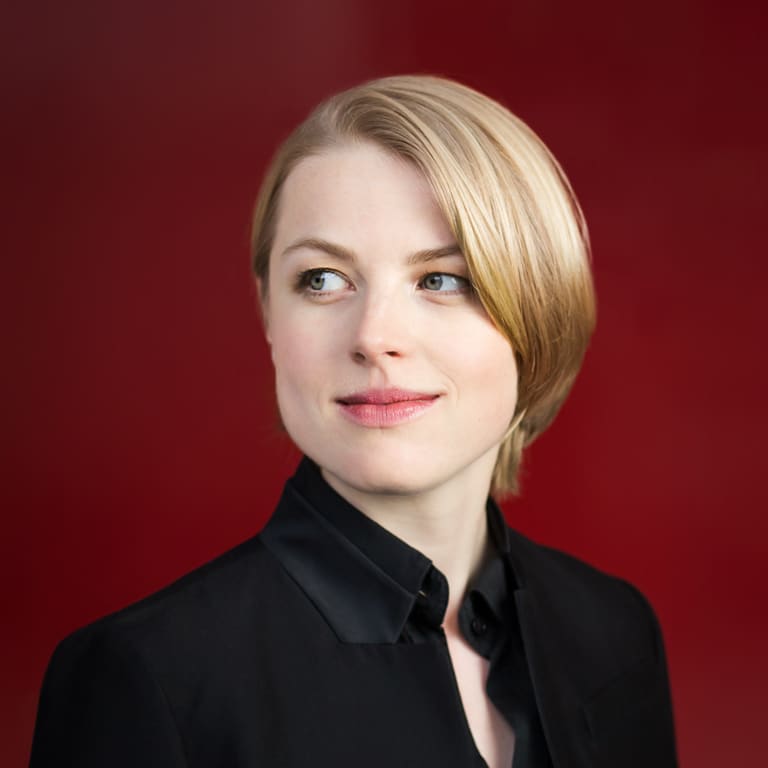
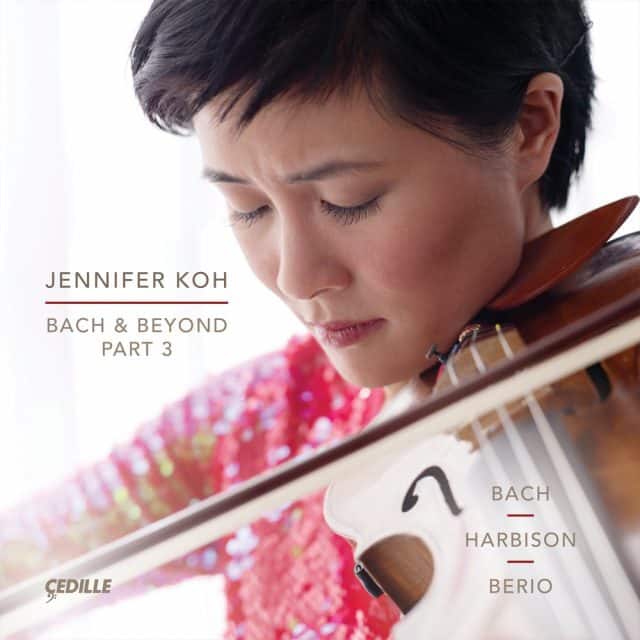
Jennifer Koh - Music review: Oregon Symphony seasons ends with a mesmerizing violin performance
The Oregonian - 05.15.13
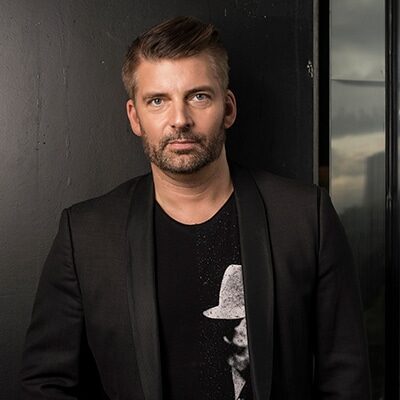
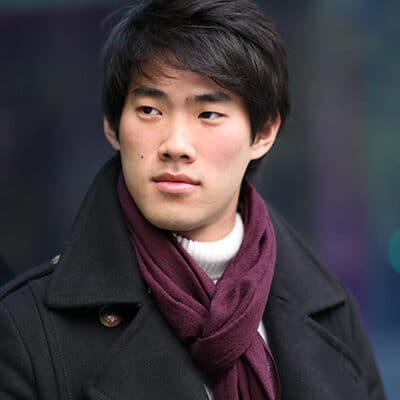
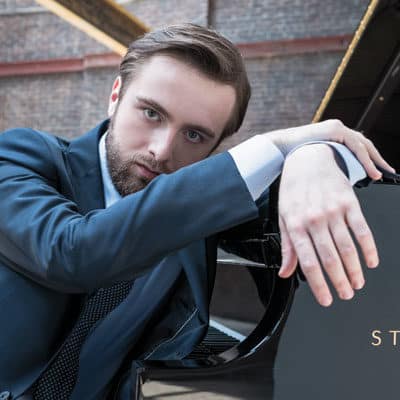
Denis Kozhukhin - Denis Kozhukhin Impresses in Prokofiev’s ‘War Sonatas’
Seen and Heard International - 05.15.13
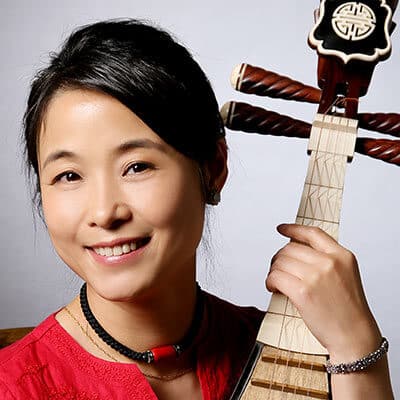
Kuok-Wai Lio - KUOK-WAI LIO RECEIVES AVERY FISHER CAREER GRANT
Avery Fisher Artist Program - 05.14.13
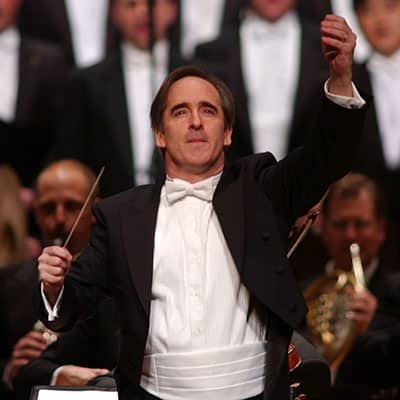
James Conlon - JAMES CONLON OPENS THE 2013 FESTIVAL DE SAINT-DENIS CONDUCTING TWO CONCERTS OF BERLIOZ’S L’ENFANCE DU CHRIST IN HONOR OF SIR COLIN DAVIS WHO WAS SCHEDULED TO CONDUCT THE WORK
Shuman Associates Inc - 05.13.13
James Conlon - Review: Powerful reading of Mozart Requiem opens May Fest
Cincinnati.com - 05.13.13
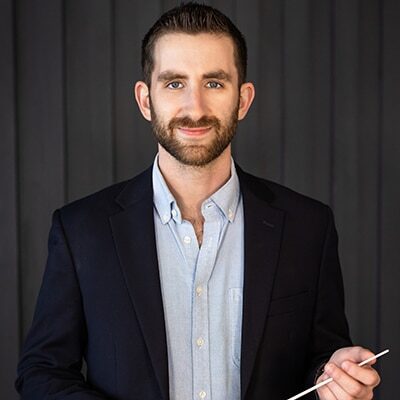
James Feddeck - Cleveland Orchestra Youth Orchestra delivers bittersweet season finale (review)
Cleveland Plain Dealer - 05.12.13
James Conlon - Review: May Festival reaches heavenly heights with 'War Requiem'
Cincinnati.com - 05.12.13
Shai Wosner - Pianist Shai Wosner finds Schubert’s dark side
The Washington Post - 05.10.13
Jon Kimura Parker - Jon Kimura Parker Takes on Mussorgsky, Rachmaninoff, Prokofiev & Stravinsky
The SunBreak - 05.10.13
Alexandre Tharaud - OPUS 3 ARTISTS SIGNS ALEXANDRE THARAUD
ARTIST NEWS
Pianist Daniil Trifonov works with passion and artistry in Cleveland Orchestra concert
08.06.12
Daniil Trifonov
Cleveland Plain Dealer
By Mark Satola
The most electrifying moment in Saturday's Cleveland Orchestra performance was not listed on the program.
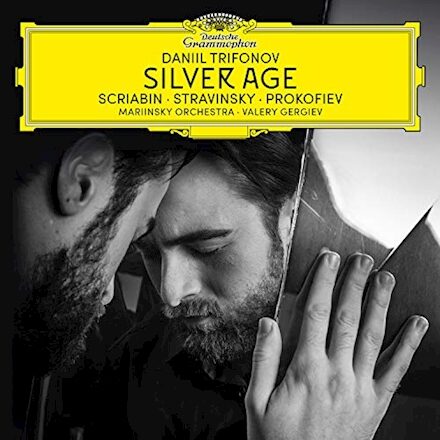
Pianist Daniil Trifonov had just finished a sparkling performance of Chopin's Piano Concerto No. 1 in E minor, and had returned to the stage for what presumably was another bow. Instead, he sat at the piano and launched into Guido Agosti's ferociously difficult 1928 transcription of the Infernal Dance of King Kastchei from Stravinsky's ballet "The Firebird."
One wishes he would have continued past the dance's fortissisimo glissandi and final chord (Agosti also transcribed "Firebird's" Berceuse and Finale), but that would have been asking too much, considering Trifonov already had spent the previous 40 minutes delivering a finely shaded and passionate reading of Chopin's first concerto, a work that has come in for criticism over the years as an extended piano solo with at best discreet orchestral accompaniment. Renowned artists from Liszt to Emanuel Ax, however, have championed it unflinchingly, for its marvelous pianism and unabashed Romantic expression.
Trifonov, who is a lad of just 21, brought the level of artistry that one would expect from a performer who last season bagged two of piano's biggest prizes -- first prize at the Rubinstein Competition in Tel Aviv, and the gold medal at the Tchaikovsky Competition in Moscow. His playing in the Chopin concerto demonstrated exquisite finger control, a good ear for tonal shading and supreme contrapuntal clarity.
Trifonov is studying with Sergei Babayan at the Cleveland Institute of Music; it is hoped that his proximity will allow Cleveland audiences to hear him in meatier repertoire.
James Gaffigan, a former assistant conductor with the Cleveland Orchestra, and now chief conductor of the Lucerne Symphony, was on the podium for the evening, which began with a texturally rich reading of the somber Prelude to Act Three of Wagner's "Tristan und Isolde." It was an unusual choice as opener, though it resonated with the "doomed love" theme of the concert's second half, selections from Prokofiev's "Romeo and Juliet."
Wagner's prelude features a 31/2-minute, chromatically wayward solo for unaccompanied English horn, which in the opera's context signals the unraveling of Tristan's mind. English hornist Robert Walters earned a lengthy ovation for his beautifully shaped performance of this plaintive cadenza.
Gaffigan drove the orchestra hard in the short suite from Prokofiev's 1936 ballet "Romeo and Juliet," especially in the aggressive excerpts ("Montagues and Capulets," "The Death of Tybalt"). Even in the music's more melting moments, including the so-called balcony scene and the scene at Juliet's tomb, Gaffigan kept up the intensity, perhaps a little more harshly than was called for. In the quicksilver "Juliet the Young Girl" and the jaunty "Masks," Gaffigan emphasized the music's irresistible danceability.
Prokofiev's ballet is so familiar that it's easy to overlook its brilliant and idiosyncratic scoring, but Saturday's performance was a welcome reminder of the composer's startling originality and subtle modernity.