
- 05.19.13
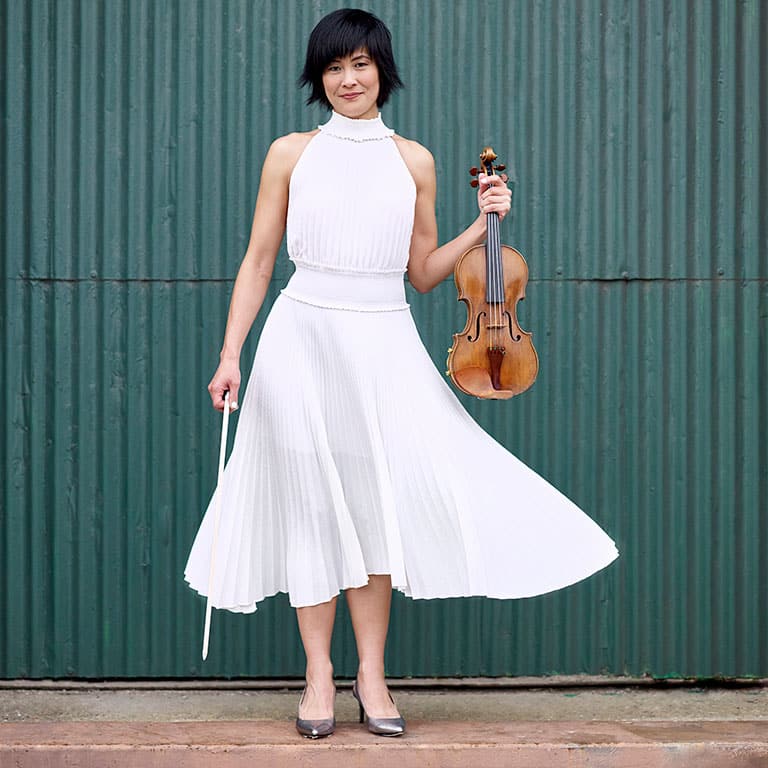
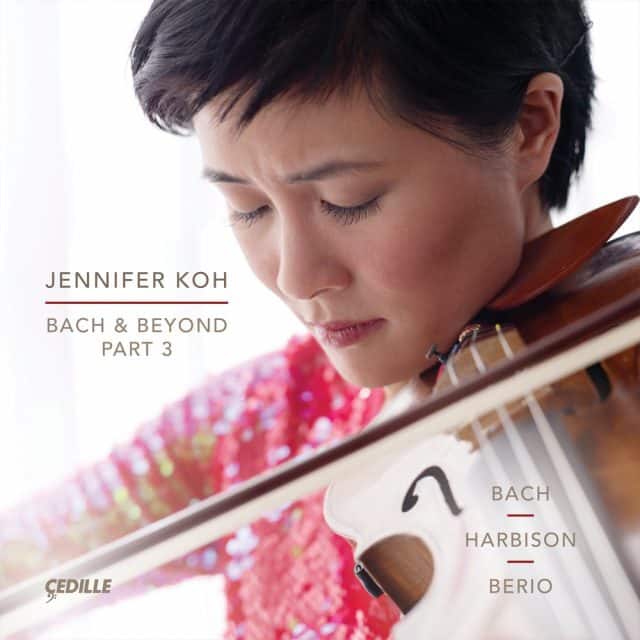
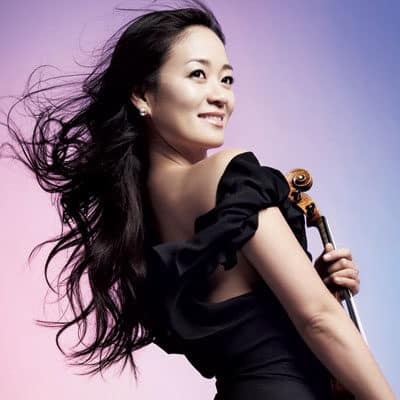
Jennifer Koh - Music review: Oregon Symphony seasons ends with a mesmerizing violin performance
The Oregonian - 05.15.13
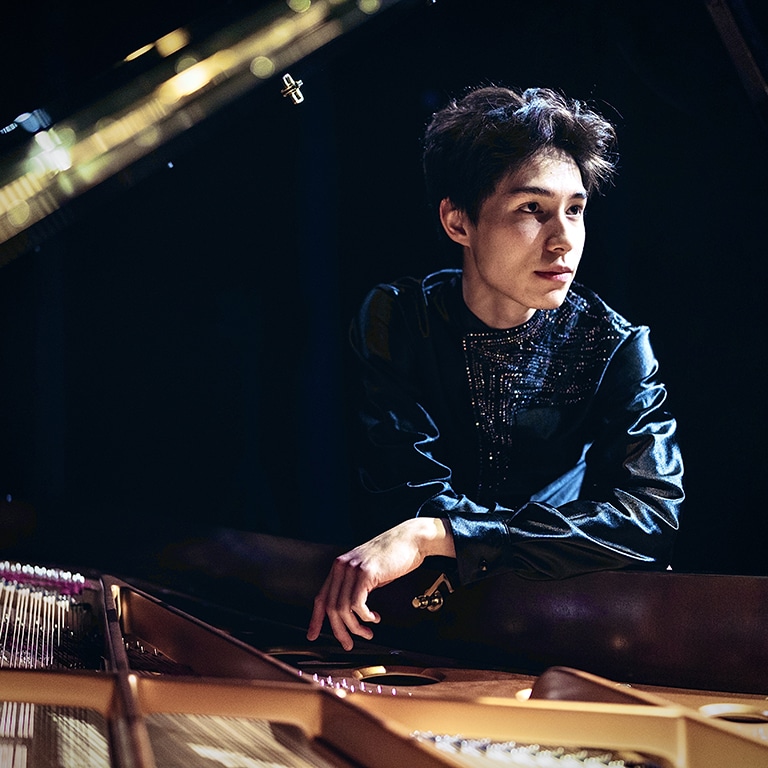
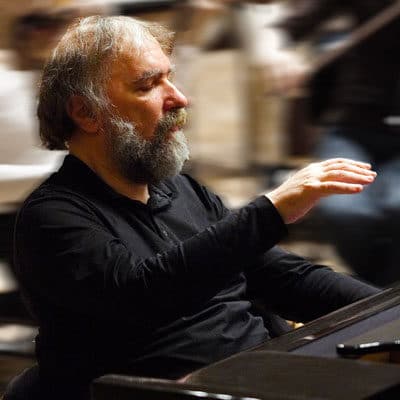
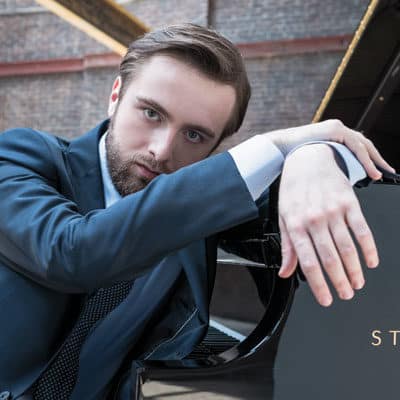
Denis Kozhukhin - Denis Kozhukhin Impresses in Prokofiev’s ‘War Sonatas’
Seen and Heard International - 05.15.13
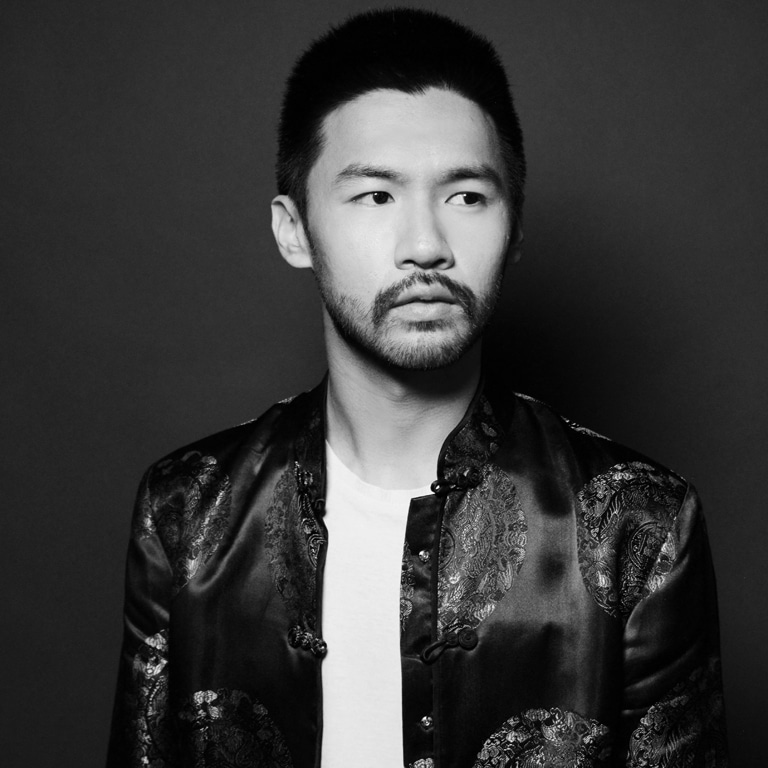
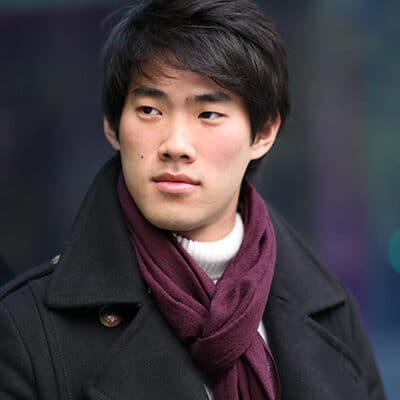
Kuok-Wai Lio - KUOK-WAI LIO RECEIVES AVERY FISHER CAREER GRANT
Avery Fisher Artist Program - 05.14.13
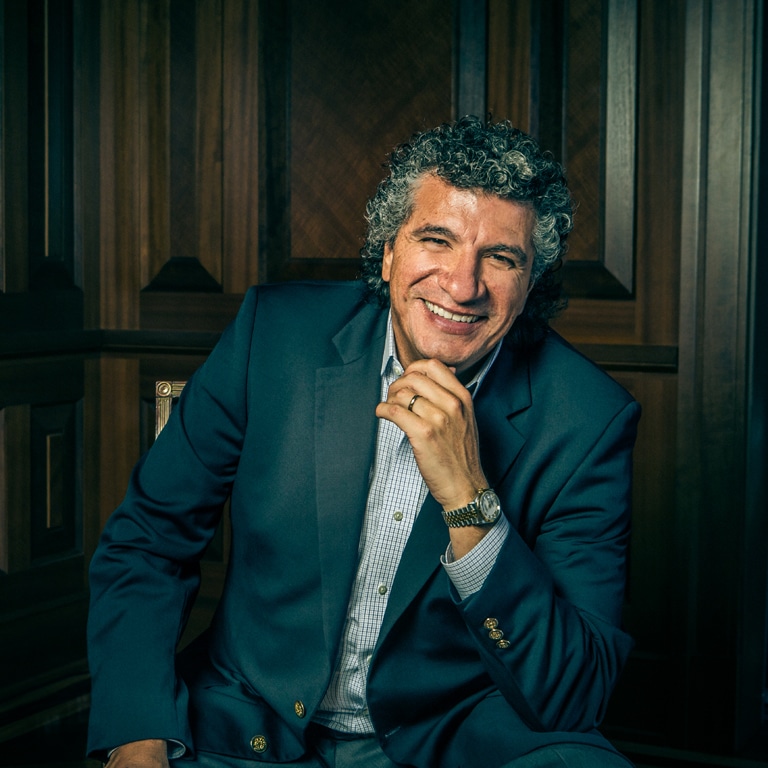
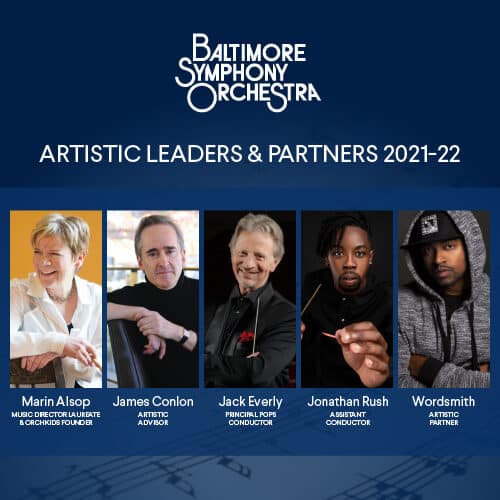
James Conlon - JAMES CONLON OPENS THE 2013 FESTIVAL DE SAINT-DENIS CONDUCTING TWO CONCERTS OF BERLIOZ’S L’ENFANCE DU CHRIST IN HONOR OF SIR COLIN DAVIS WHO WAS SCHEDULED TO CONDUCT THE WORK
Shuman Associates Inc - 05.13.13
James Conlon - Review: Powerful reading of Mozart Requiem opens May Fest
Cincinnati.com - 05.13.13
James Feddeck - Cleveland Orchestra Youth Orchestra delivers bittersweet season finale (review)
Cleveland Plain Dealer - 05.12.13
James Conlon - Review: May Festival reaches heavenly heights with 'War Requiem'
Cincinnati.com - 05.12.13
Shai Wosner - Pianist Shai Wosner finds Schubert’s dark side
The Washington Post - 05.10.13
Jon Kimura Parker - Jon Kimura Parker Takes on Mussorgsky, Rachmaninoff, Prokofiev & Stravinsky
The SunBreak - 05.10.13
Alexandre Tharaud - OPUS 3 ARTISTS SIGNS ALEXANDRE THARAUD
ARTIST NEWS
Where Awards Still Mean Something
06.24.12
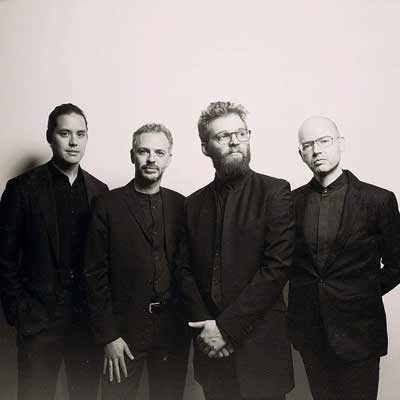
Miró Quartet
The Wall Street Journal
When it comes to classical music, the difference between what's new and what's "new to you" can leave an otherwise well-rounded person feeling culturally clueless while sipping bubbly at highbrow pool parties. The good news is, there's a shortcut through the information pipeline: awards.
Awards are often derided in the "popular arts"—most rock stars would rather fall off the stage than win a Grammy—but in classical music, many awards boost the visibility of artists who deserve wider recognition among fans of the form. Honors in the field can develop an audience and, to some degree, the presenting institutions as well.
This week, two concerts connected to classical-music awards will perform this double duty, giving you enough to be in-the-know wherever you are.
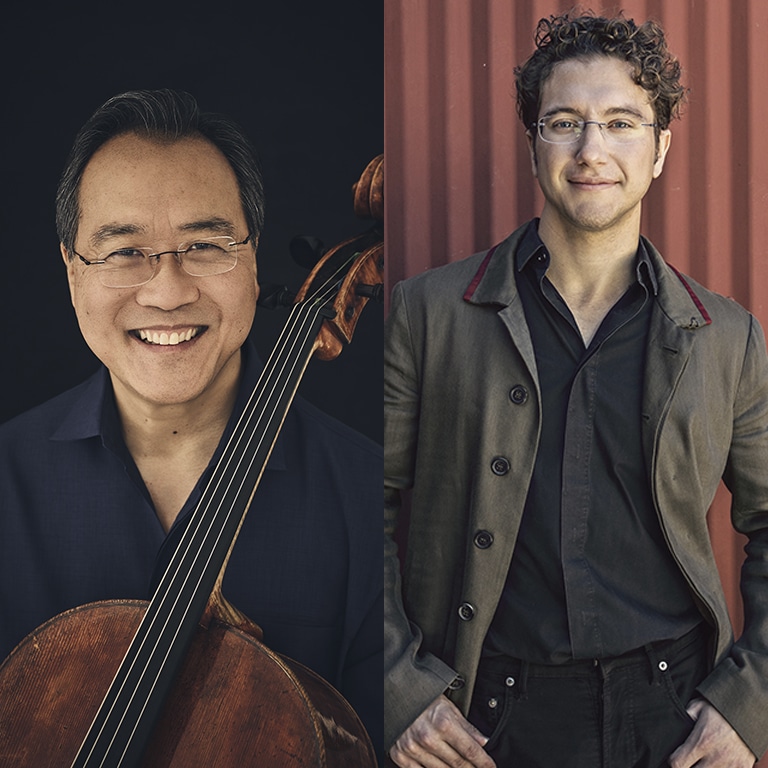
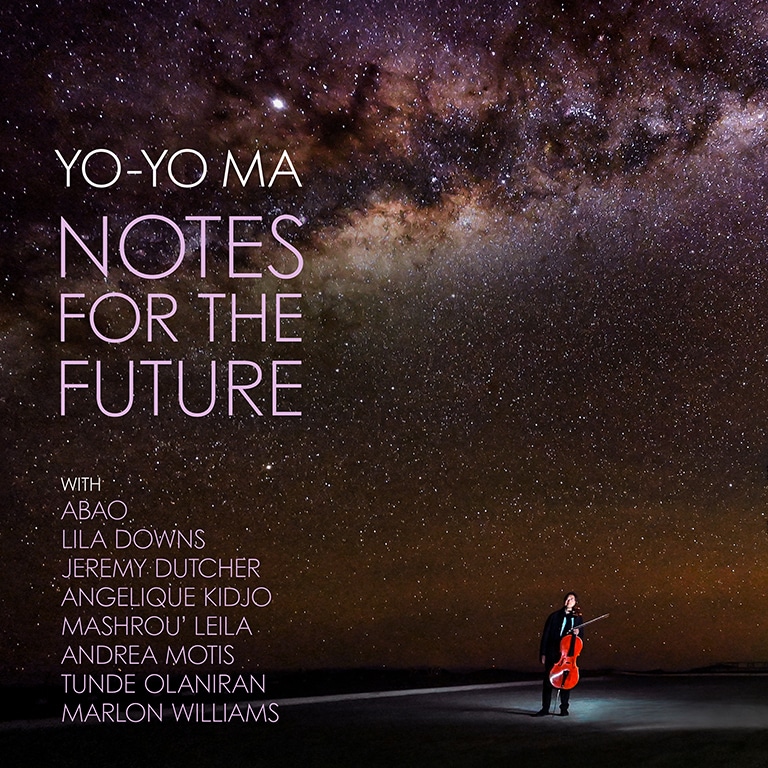
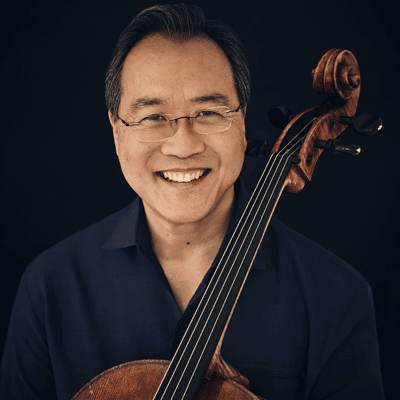
On Tuesday, the New York Philharmonic will give a special concert, featuring the ubiquitous Yo-Yo Ma, to celebrate the inaugural Marie-Josée Kravis Prize for New Music, a biennial honor recognizing "extraordinary artistic endeavor in the field of new music." Mr. Ma is not the recipient—I was just shamelessly name dropping there. The Kravis prize, which was announced in December, is going to the nonagenarian French composer Henri Dutilleux for his contributions to the modern repertoire.
Not familiar with Monsieur Dutilleux? Don't go hide in the cabana. Though widely admired among musicians, "to the general public, he is not as well known," said pianist and selection-committee member Emanuel Ax (who, if you're title-dropping, is also the orchestra's artist-in-residence). "This is a wonderful chance to have his music played."
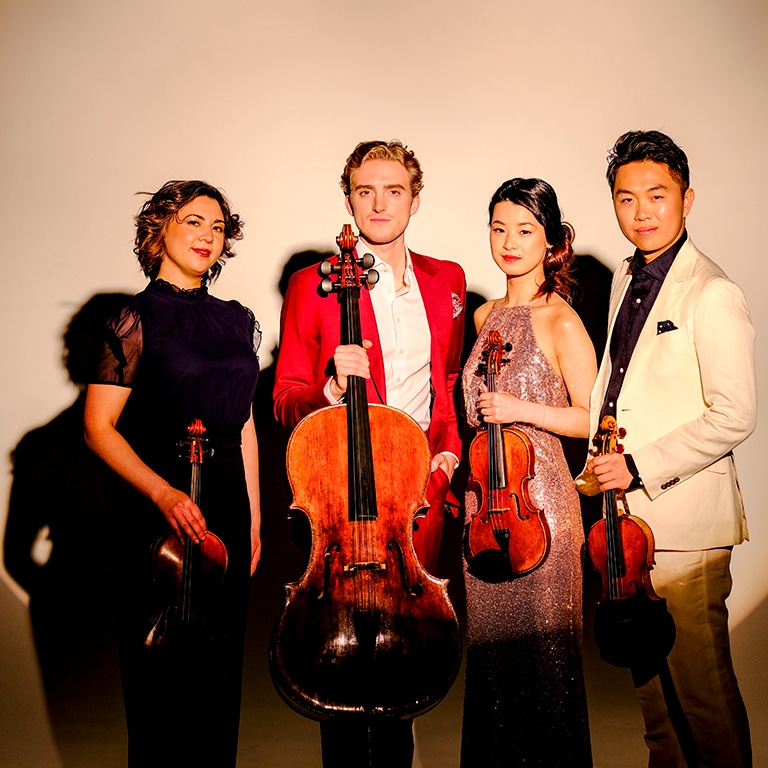
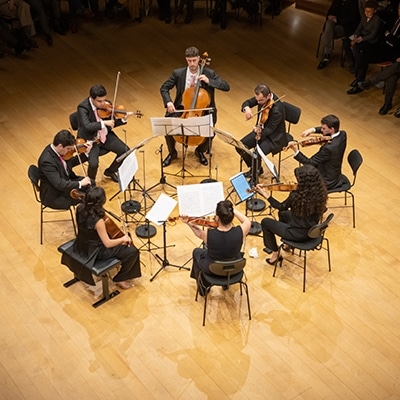
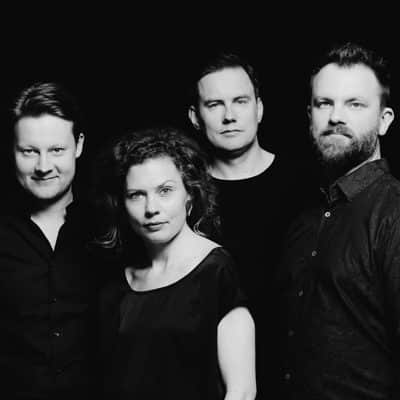
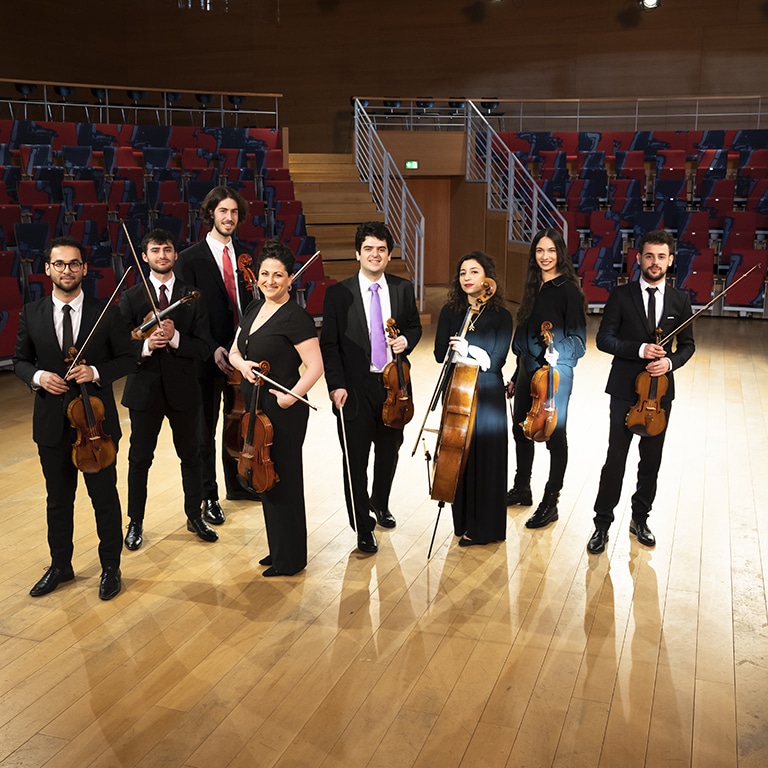
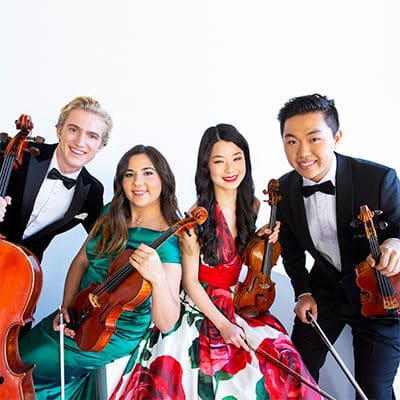
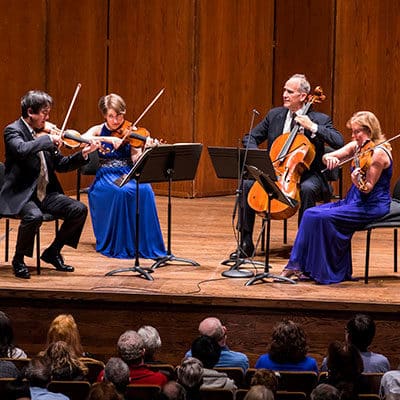
Said cellist Joshua Gindele of the Miro Quartet, which will perform at Tuesday's concert, "He stands to be remembered as one of the great French composers in Western classical music. Dutilleux is in the line of Debussy and Ravel."
The Miro Quartet, based in Austin, Texas, will perform Mr. Dutilleux's string quartet, which is part of the group's standard repertory. "There were a handful of pieces that the Quartet felt were important in the last 40 years, and we set out to understand and learn them," Mr. Gindele said. "We felt they were going to be around for a long time."
Mr. Dutilleux, who was born in the small Western city of Angers in 1916, will be represented by two additional works: "Metaboles," for orchestra, and the cello concerto "Tout un monde lointain (A Whole Distant World)." Of the latter, Mr. Ax said: "Every cellist I know plays that piece. It has really taken hold in terms of repertoire."
Mr. Dutilleux has won numerous awards in Europe, but this honor aims to raise his profile in America. And, by asking that the $200,000 prize be shared with three other composers, each of whom will compose a new work for the Philharmonic, he'll be sharing the award in a way that extends its significance to the next generation of composers. One of the three, the Hungarian Peter Eötvös, has already been announced; on Tuesday, the Philharmonic's music director, Alan Gilbert, will announce the others.
Then on Wednesday, WQXR will have its turn at awards-related performance with a concert in its West Village performance venue, the Green Space, that gathers the recent winners of the Richard Tucker Award.
The annual Tucker award is given by the Richard Tucker Music Foundation to an artist on the threshold of a major career. If you're unfamiliar with the work of this year's winner, soprano Ailyn Pérez, don't sweat it. That's partly why Graham Parker, the vice president of WQXR, created the concert format well in advance of the November ceremony. "We wanted to secure the New York premiere of her singing since winning the award," he said. "We wanted the WQXR listener to be able to get to know her."
Joining Ms. Pérez, who is 32, on the program will be two recent Tucker winners: 34-year-old soprano Angela Meade (2011) and 30-year-old tenor Stephen Costello (2009), whose names are probably already circulating at the aforementioned pool parties.
Ms. Meade made a stunning impression at the Metropolitan Opera this winter in "Ernani" and won the Met's 2012 Beverly Sills Artist Award for young singers. Mr. Costello, too, had New York audiences buzzing with his turn as Lord Percy, opposite Anna Netrebko, in the Met's "Anna Bolena" last fall. He also happens to be married to Ms. Pérez (a handy bit of cocktail-party patter if there ever was one), but the couple aren't often cast together in New York; they performed "La Bohème" together at the Los Angeles Opera in May.
The chance to hear them sing on one stage—either live-in-person or online via the "Operavore" web channel at wqxr.org—is worth getting excited about. The same might be said of WQXR's entire concert itself—a new addition to the station's programming, intended as a deliberate way to nurture listeners' relationships with a new generation of stars.
Said Mr. Parker: "These are important signers, and we wanted to be behind their careers."
Cheers to that.