
- 05.19.13
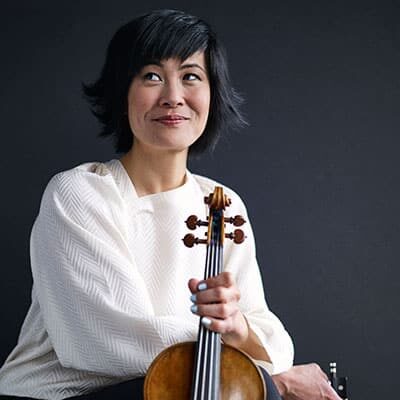
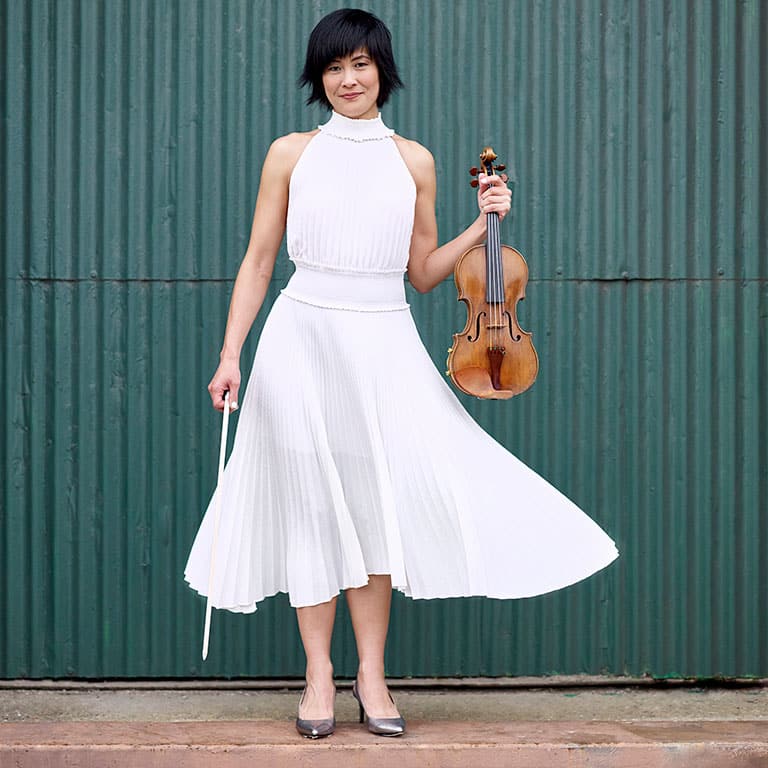
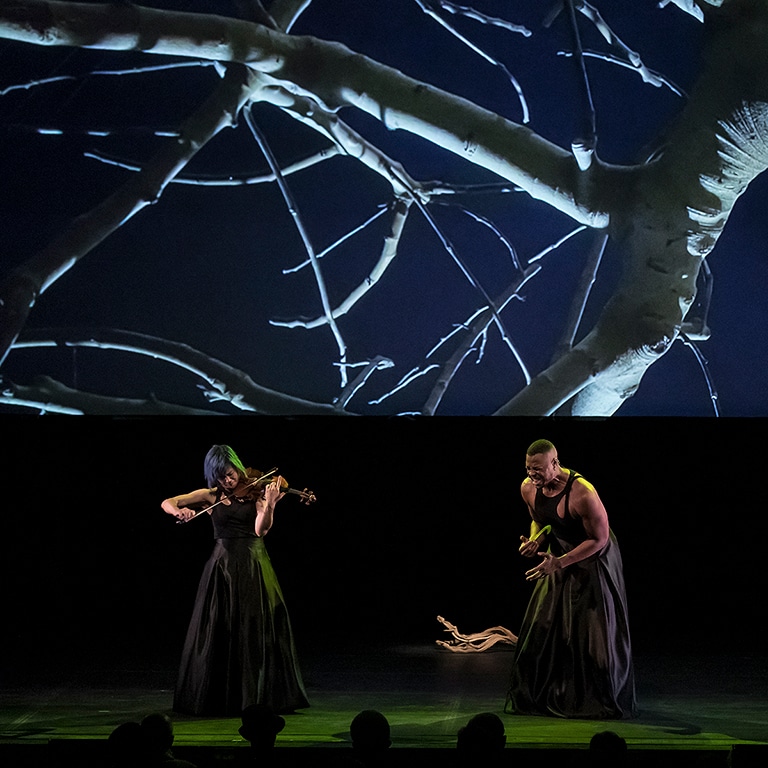
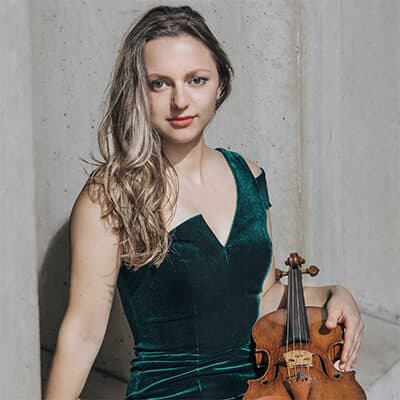
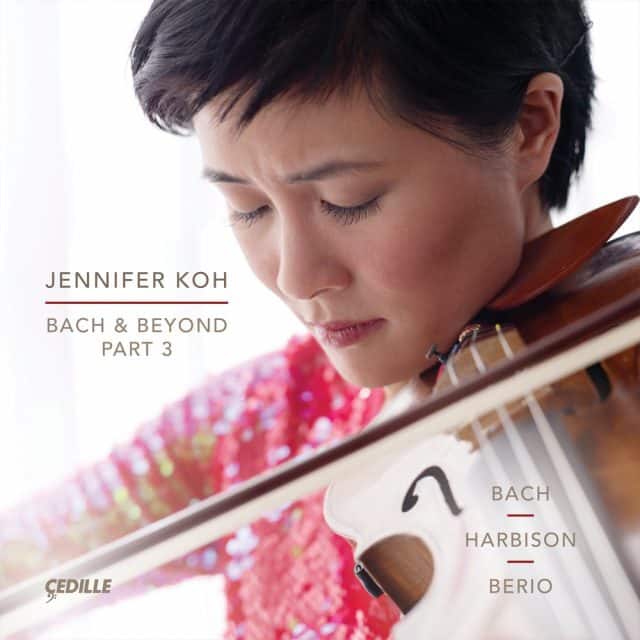
Jennifer Koh - Music review: Oregon Symphony seasons ends with a mesmerizing violin performance
The Oregonian - 05.15.13
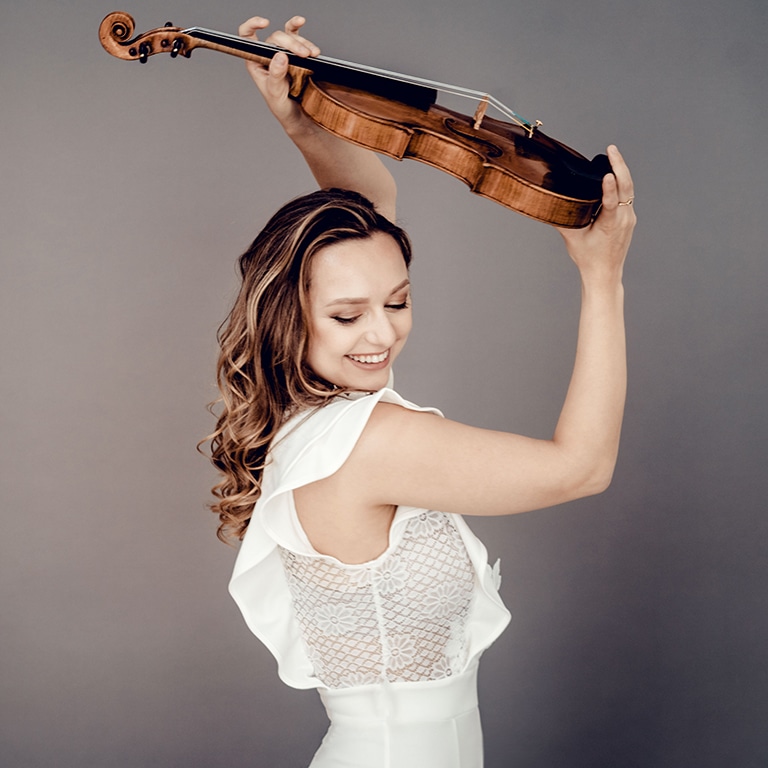
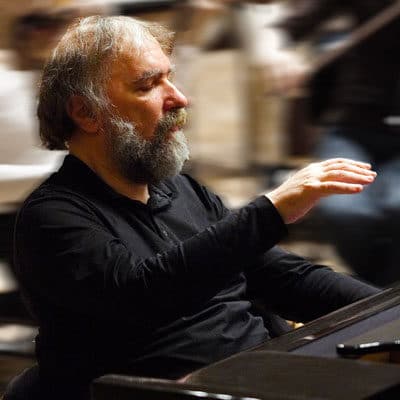
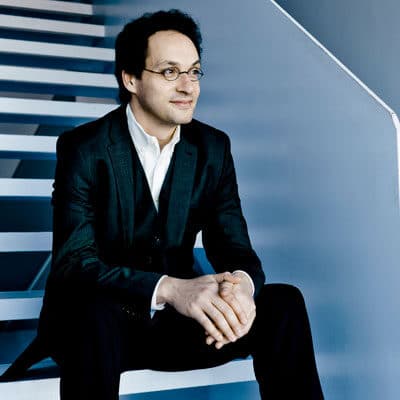
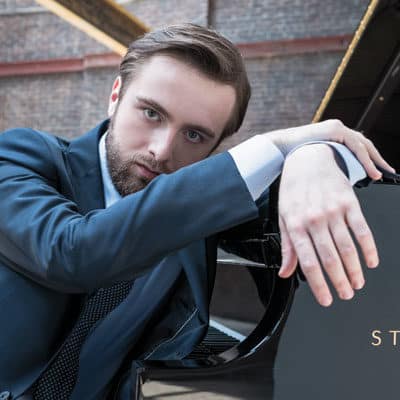
Denis Kozhukhin - Denis Kozhukhin Impresses in Prokofiev’s ‘War Sonatas’
Seen and Heard International - 05.15.13
Kuok-Wai Lio - KUOK-WAI LIO RECEIVES AVERY FISHER CAREER GRANT
Avery Fisher Artist Program - 05.14.13
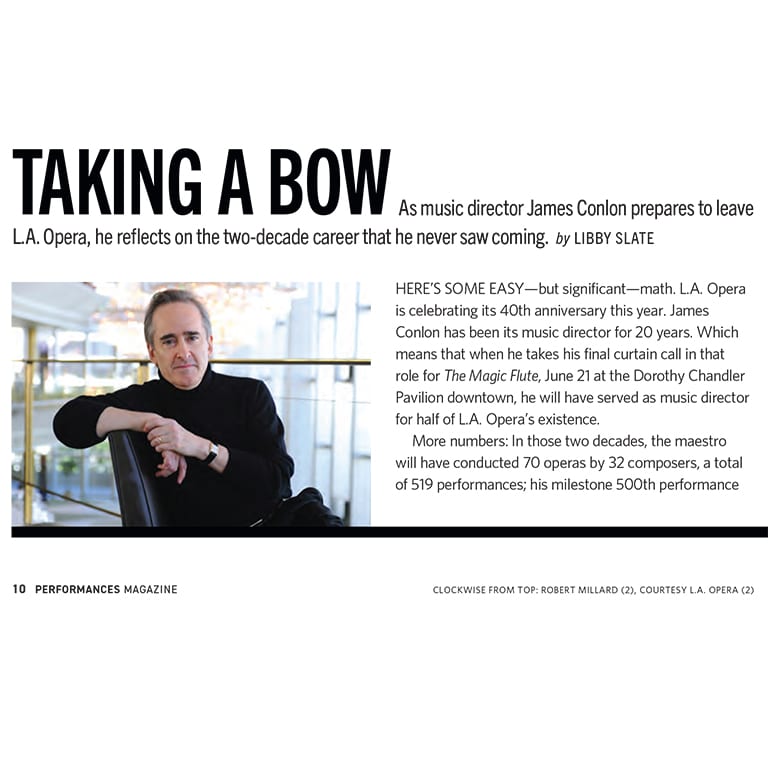
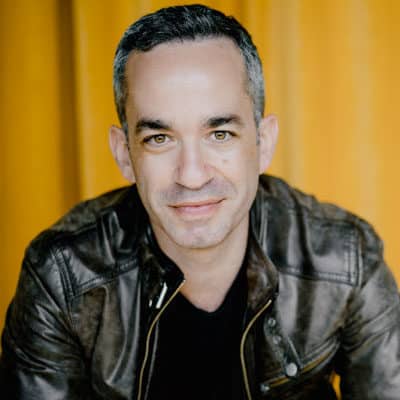
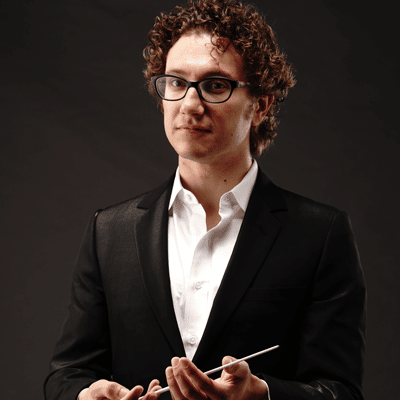
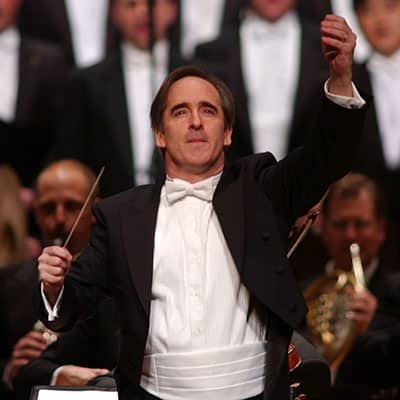
James Conlon - JAMES CONLON OPENS THE 2013 FESTIVAL DE SAINT-DENIS CONDUCTING TWO CONCERTS OF BERLIOZ’S L’ENFANCE DU CHRIST IN HONOR OF SIR COLIN DAVIS WHO WAS SCHEDULED TO CONDUCT THE WORK
Shuman Associates Inc - 05.13.13
James Conlon - Review: Powerful reading of Mozart Requiem opens May Fest
Cincinnati.com - 05.12.13
James Conlon - Review: May Festival reaches heavenly heights with 'War Requiem'
Cincinnati.com - 05.12.13
Shai Wosner - Pianist Shai Wosner finds Schubert’s dark side
The Washington Post - 05.10.13
Jon Kimura Parker - Jon Kimura Parker Takes on Mussorgsky, Rachmaninoff, Prokofiev & Stravinsky
The SunBreak - 05.10.13
Alexandre Tharaud - OPUS 3 ARTISTS SIGNS ALEXANDRE THARAUD
- 05.09.13
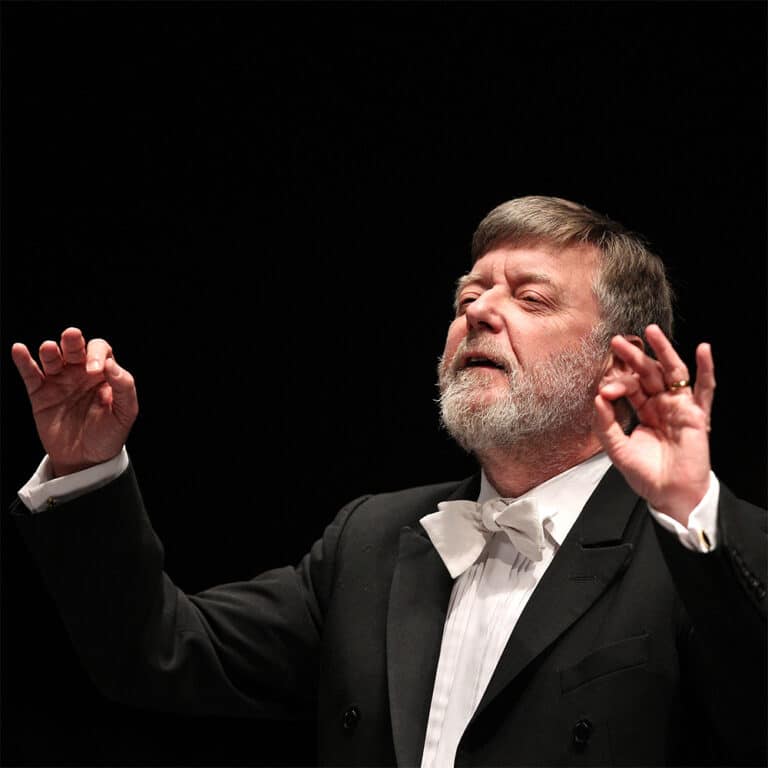
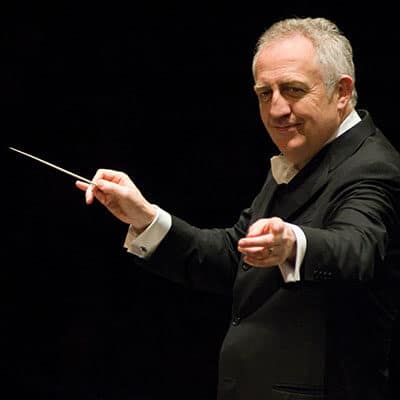
Sir Andrew Davis - Review: Philharmonia Orchestra, St David’s Hall, Cardiff
Wales Online
ARTIST NEWS
Garrick Ohlsson plays Liszt at Carnegie Hall
04.29.12
Garrick Ohlsson
The Classical Source
By Lewis M. Smoley
Garrick Ohlsson stepped in at Carnegie Hall for the ailing Maurizio Pollini with a Liszt recital different to the Italian’s and which further demonstrated Ohlsson’s artistry as an interpreter of this composer.
He opened with one of Liszt’s many transcriptions of Bach. With seemingly little effort, Ohlsson stormed the heights of the opening Fantasia, adding unobtrusive hesitations to the scalar passages, exerting enormous power that made the crashing chords and forceful bass tones all the more impressive, and evoking a sense of mystery during darkly pensive interludes. In the contrastingly light and delicate ‘Great’ Fugue, Ohlsson concentrated on clarity of line and steadiness of motion, changes of volume providing variety. There followed another Fantasia and Fugue, this time based on an aria from Meyerbeer’s opera Le Prophète, originally written for organ by Liszt and transcribed for piano by a great virtuoso of a later era, Ferruccio Busoni. Its enormous length (thirty minutes or so), operatic scope, and wide palette of coloristic effects and mood-swings, make it one of Liszt’s most expansive keyboard pieces. Its single theme undergoes numerous transformations ranging in character from quietly meditative to boldly assertive and vigorously aggressive. Ohlsson, combining stentorian power in dramatic passages with delicate expressivity in lyrical sections, treated the work dramatically, as if paralleling the music-drama from which its theme is taken. Flashes of fiery passion juxtaposed with dark, cavernous passages, sometimes evoking a sinister presentiment. Climaxes were as chillingly demonic as calm meditative moments were ethereal. The redemptive grand chorale that concludes this incredible work was an overwhelming experience.
After such rigorous demands, the recital’s second half seemed almost like an afterthought. It began with ‘Bénédiction de Dieu dans la solitude’, perhaps the best of the ten pieces compiled under the title Harmonies poétiques et religieuses. Liszt’s newly discovered religious faith is expressed at the outset is an omnipresent hymn-like theme, casting a hypnotic spell, with right-hand arpeggios adding a quasi-impressionistic quality. In Ohlsson’s moving rendition, passages of rhapsodic expression appeared as an outgrowth of the theme’s naïve simplicity, and moments of enchanting serenity, embellished with tenderly caressing grace notes, gave the closing section a heavenly glow.
In contrast to this ardent expression of religious devotion, the fleeting figuration of the short, sweet and aptly titled ‘Feux follets’ (Will-of-the-Wisp) – from the set of Transcendental Studies, whizzed by playfully. Ohlsson found sheer delight in the light-hearted Valse oubliée and sensitively captured the spirit of the contrastingly overcast atmosphere of Nuages gris, a bleak late work of rarified atmosphere, spare textures, impressionistic hues and ambiguous harmonies. After this, Ohlsson was slightly formalistic in handling the darting figures that prepare for the appearance of the theme at the beginning of Mephisto Waltz No.1. Setting a comfortable but rather staid pace, he soon became engrossed in the unbridled rampages released in torrents. Always in complete control, Ohlsson displayed remarkable assurance in executing the wicked pyrotechnics while capturing savageness with extraordinary power and demonic furor. As an encore Ohlsson offered a sensitive reading of Liszt’s Klavierstück in A flat.