
- 05.19.13
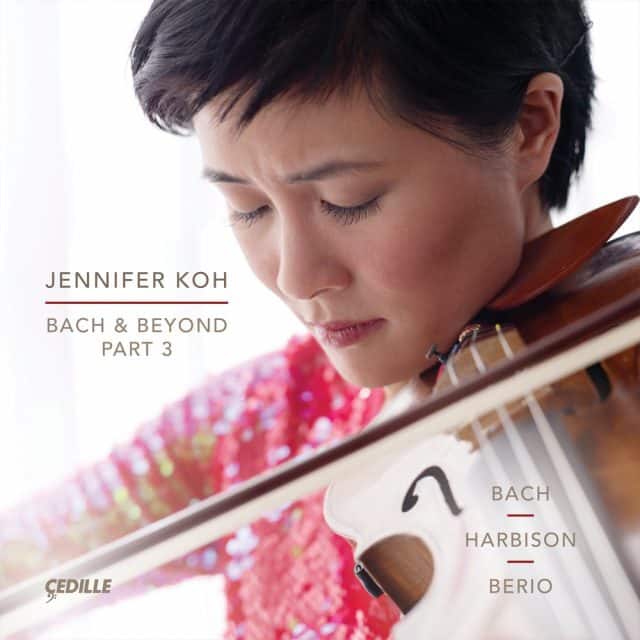
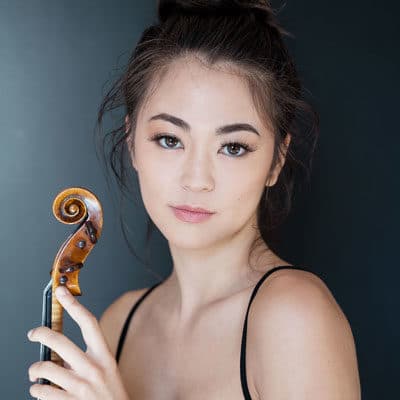
Jennifer Koh - Music review: Oregon Symphony seasons ends with a mesmerizing violin performance
The Oregonian - 05.15.13
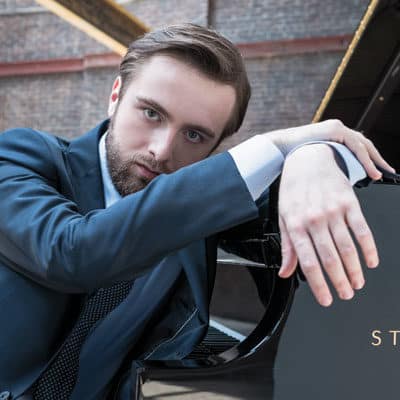
Denis Kozhukhin - Denis Kozhukhin Impresses in Prokofiev’s ‘War Sonatas’
Seen and Heard International - 05.15.13
Kuok-Wai Lio - KUOK-WAI LIO RECEIVES AVERY FISHER CAREER GRANT
Avery Fisher Artist Program - 05.14.13
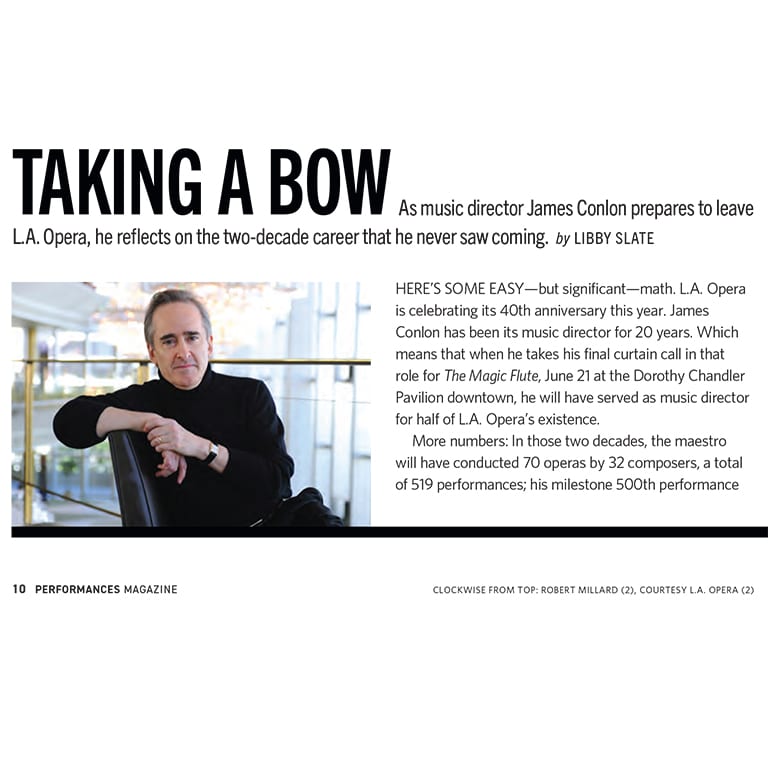
James Conlon - JAMES CONLON OPENS THE 2013 FESTIVAL DE SAINT-DENIS CONDUCTING TWO CONCERTS OF BERLIOZ’S L’ENFANCE DU CHRIST IN HONOR OF SIR COLIN DAVIS WHO WAS SCHEDULED TO CONDUCT THE WORK
Shuman Associates Inc - 05.13.13
James Conlon - Review: Powerful reading of Mozart Requiem opens May Fest
Cincinnati.com - 05.13.13
James Feddeck - Cleveland Orchestra Youth Orchestra delivers bittersweet season finale (review)
Cleveland Plain Dealer - 05.12.13
James Conlon - Review: May Festival reaches heavenly heights with 'War Requiem'
Cincinnati.com - 05.12.13
Shai Wosner - Pianist Shai Wosner finds Schubert’s dark side
The Washington Post - 05.10.13
Jon Kimura Parker - Jon Kimura Parker Takes on Mussorgsky, Rachmaninoff, Prokofiev & Stravinsky
The SunBreak - 05.10.13
Alexandre Tharaud - OPUS 3 ARTISTS SIGNS ALEXANDRE THARAUD
ARTIST NEWS
David Zinman leads the New York Philharmonic in lively but aggressive Beethoven
03.12.12
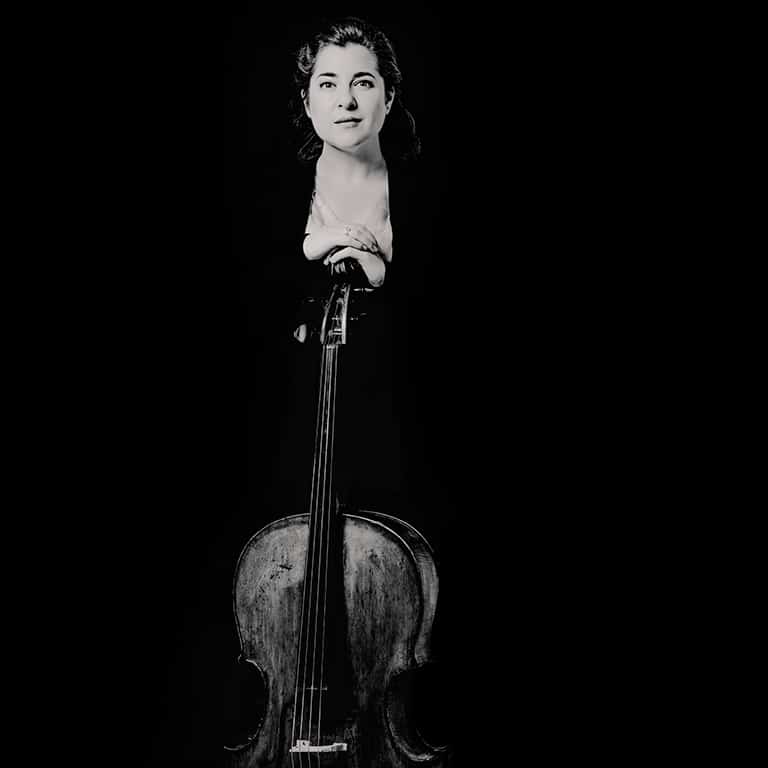
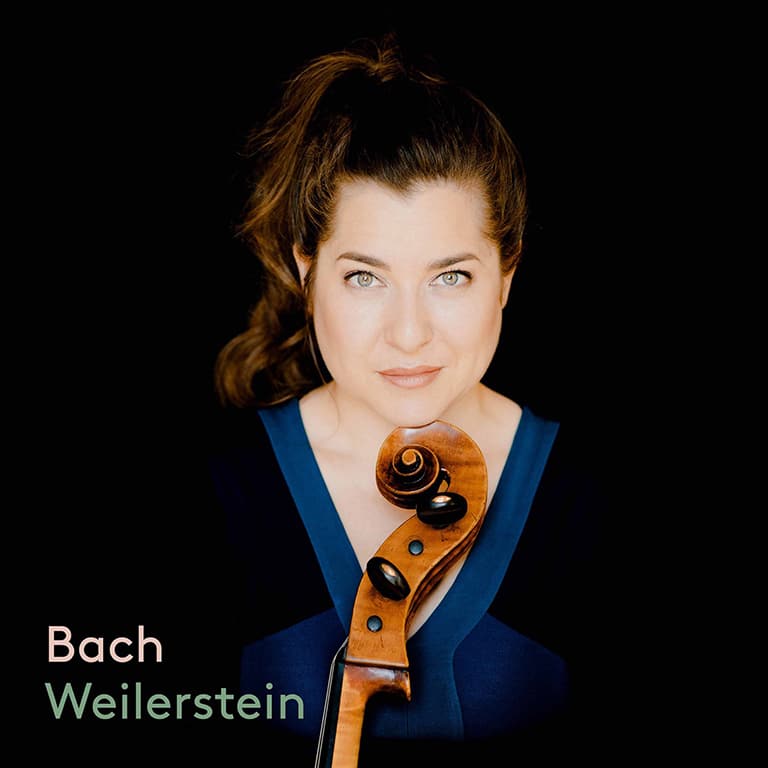
Alisa Weilerstein
Star-Ledger
By Ronni Reich
There was no brisk passage that went without virtuoso speed, no accent that wasn’t firmly underlined and no performance that sounded less than fully engaged at the New Jersey Performing Arts Center on Friday.
For the New York Philharmonic’s annual NJPAC appearance, David Zinman arrived at the helm of the orchestra as part of “The Modern Beethoven” festival, in which he is sharing his distinctive interpretations that stick closely to original manuscript markings. Yet while the performances of Beethoven’s Symphony No. 8 and Beethoven Symphony No. 4 were lively, they glossed over some of the charm and lyricism inherent in the works and there was some slapdash playing, particularly from the horns.
The Eighth Symphony began with a strong gust of energy, the short opening theme announcing itself decisively. In seesawing motives that followed, the orchestra leaned into low notes with endearing gruffness. Zinman culled transparency textures and the orchestra maintained remarkable dexterity.
The simple elegance of the second movement, shot through with unexpected jabbing figures, was effective. So was the fourth movement opening, which featured soft, rapid violin beating that called to mind hummingbird wings as well as enjoyably big, not-too-proper contrasts.
The fleet, urgent rendering of the finale drew welcome attention to the amount of ground the music covers in a short period of time. Still, the music sometimes seemed overly strong-armed, with the arched, airy melodies that balance the action dispatched abruptly and hastily.
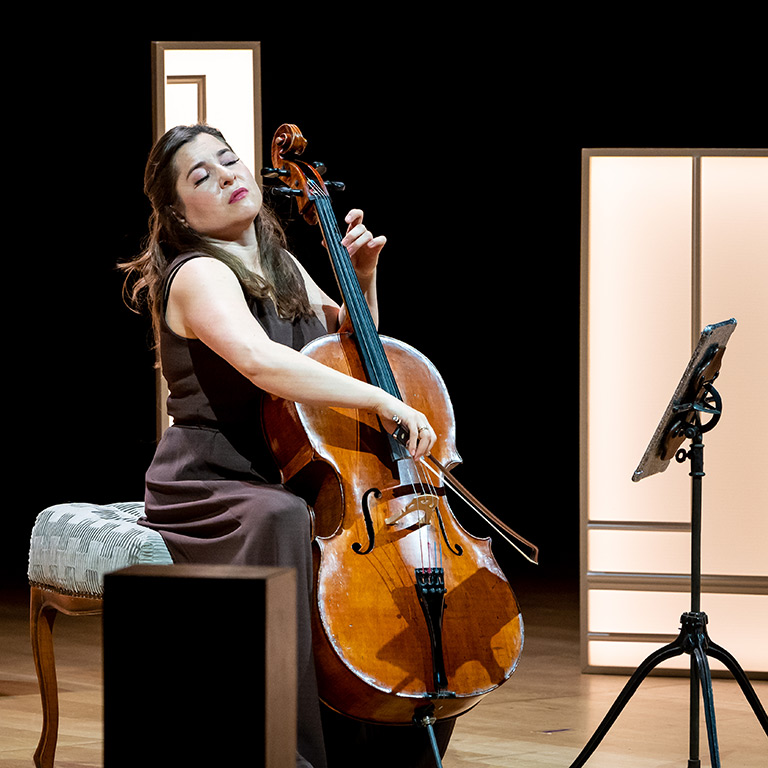
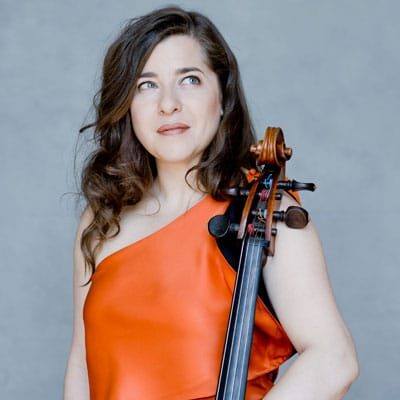
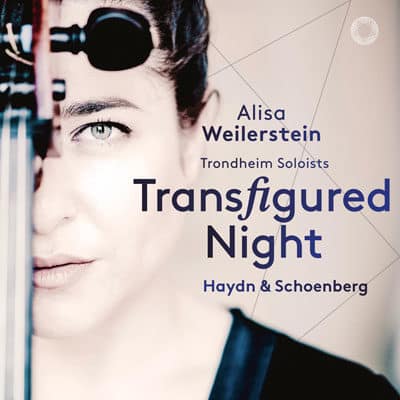
Throughout the Philharmonic’s festival, 20th century concertos are being presented between the main composer’s symphonies. Far more than a palate cleanser, Barber’s Cello Concerto with the authoritative Alisa Weilerstein as the soloist became the high point of the concert. Weilerstein and the orchestra were especially vivid as they captured the violent angularity of the piece, which vacillates among war cry, plangent or vulnerable song and feverish outbursts.
Weilerstein’s attention to timbre, organic phrasing and exquisite control through any technical obstacle amazed. She dug into anxiously repetitive and deep, rough, vigorous episodes, and also employed a gorgeous singing tone--warm, well projected, velvety-- when appropriate.
In the Fourth Symphony, Zinman’s aggressive approach to highlighting each slashing chord or emphasized note sometimes broke up the flow of the work. There was character in moments that had teasing, thunderous or joyful qualities, and the smoothness of the playing and the taut ensemble of the second movement impressed. But the quicksilver finale suffered, with rigidity in its speed that sometimes made for underwhelming sound quality.
Zinman’s Beethoven has become a touchstone interpretation of the repertoire, and his influence on performance practice is significant. Whether one agrees entirely with his choices or not, they are certainly thought-provoking and should be of interest. The program with Weilerstein will be repeated tonight at Avery Fisher Hall, with Beethoven’s First and Third Symphonies in performance March 15-20.