
- 05.19.13
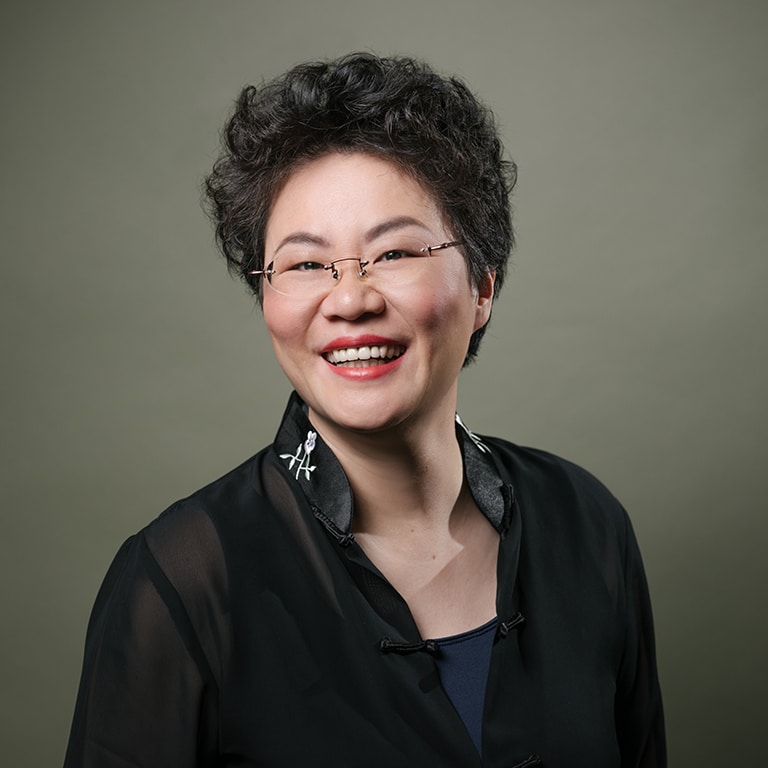
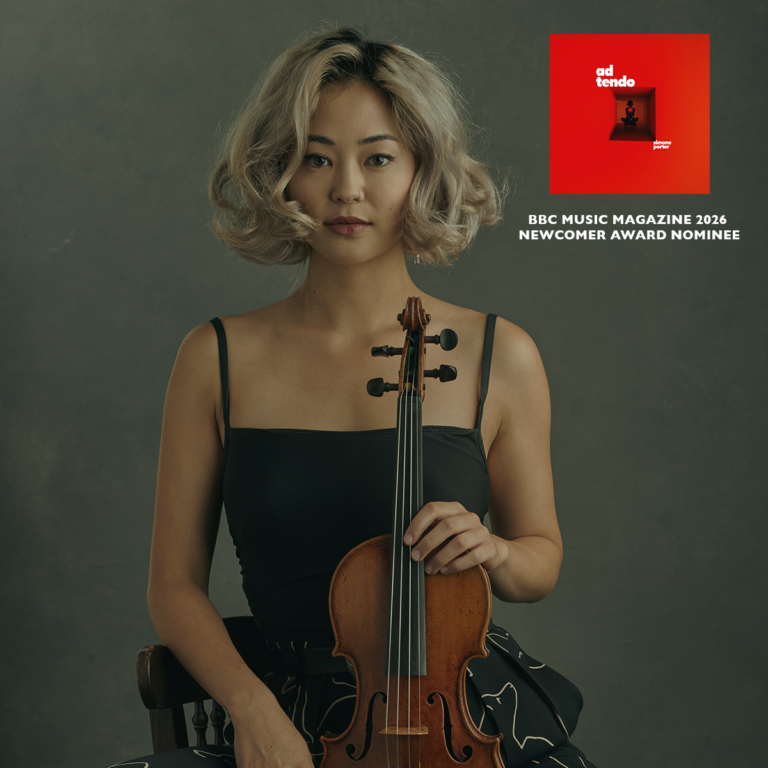
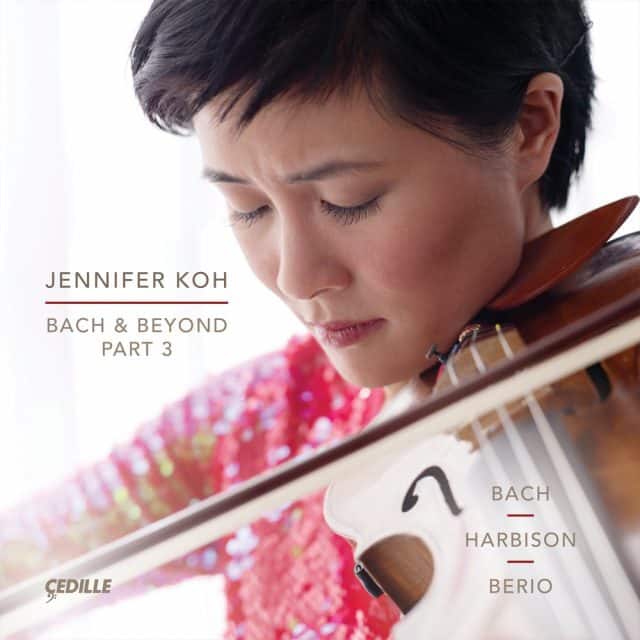
Jennifer Koh - Music review: Oregon Symphony seasons ends with a mesmerizing violin performance
The Oregonian - 05.15.13
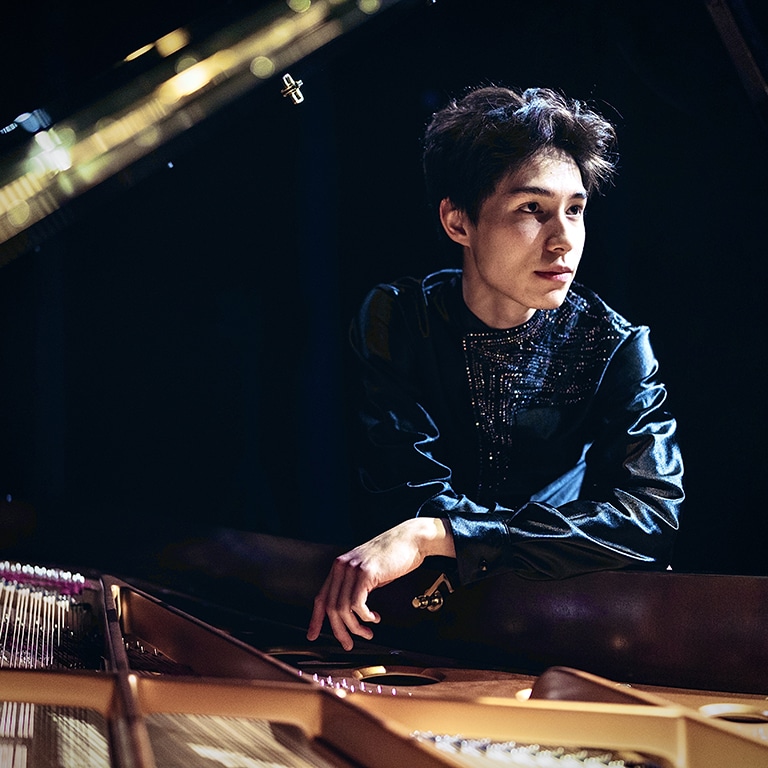
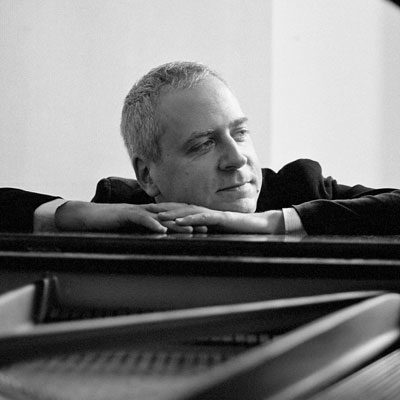
Denis Kozhukhin - Denis Kozhukhin Impresses in Prokofiev’s ‘War Sonatas’
Seen and Heard International - 05.15.13
Kuok-Wai Lio - KUOK-WAI LIO RECEIVES AVERY FISHER CAREER GRANT
Avery Fisher Artist Program - 05.14.13
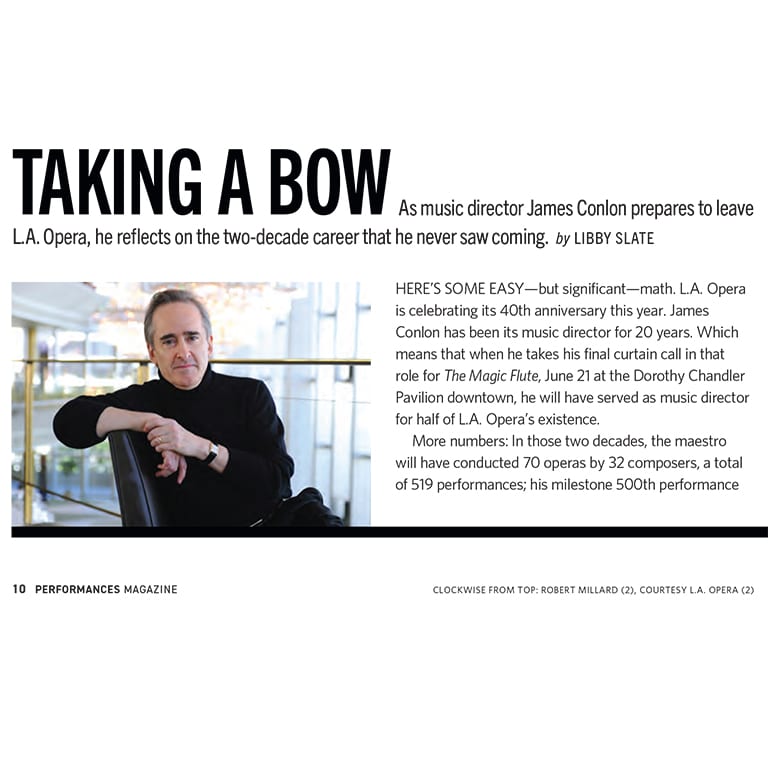
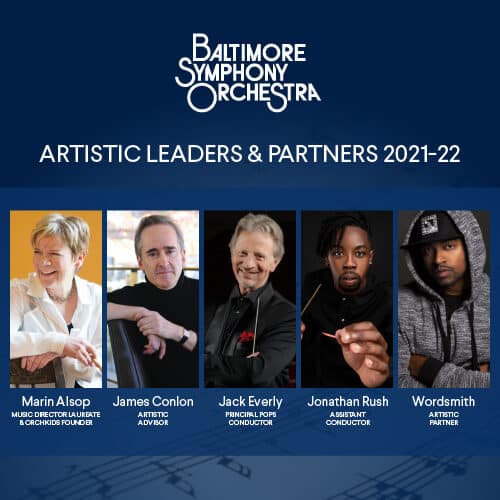
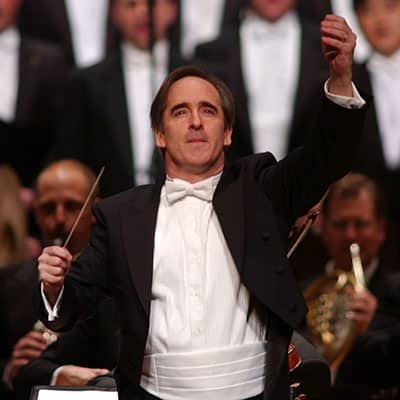
James Conlon - JAMES CONLON OPENS THE 2013 FESTIVAL DE SAINT-DENIS CONDUCTING TWO CONCERTS OF BERLIOZ’S L’ENFANCE DU CHRIST IN HONOR OF SIR COLIN DAVIS WHO WAS SCHEDULED TO CONDUCT THE WORK
Shuman Associates Inc - 05.13.13
James Conlon - Review: Powerful reading of Mozart Requiem opens May Fest
Cincinnati.com - 05.13.13
James Feddeck - Cleveland Orchestra Youth Orchestra delivers bittersweet season finale (review)
Cleveland Plain Dealer - 05.12.13
James Conlon - Review: May Festival reaches heavenly heights with 'War Requiem'
Cincinnati.com - 05.12.13
Shai Wosner - Pianist Shai Wosner finds Schubert’s dark side
The Washington Post - 05.10.13
Jon Kimura Parker - Jon Kimura Parker Takes on Mussorgsky, Rachmaninoff, Prokofiev & Stravinsky
The SunBreak - 05.10.13
Alexandre Tharaud - OPUS 3 ARTISTS SIGNS ALEXANDRE THARAUD
ARTIST NEWS
Shaham breathes new life into Bach
11.11.11
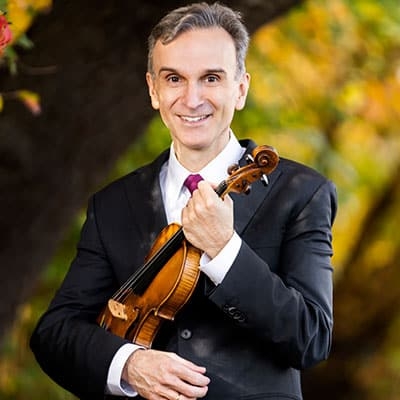
Gil Shaham
The Stanford Daily
By Brett Wines
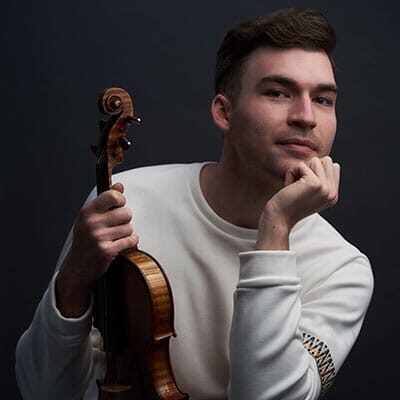
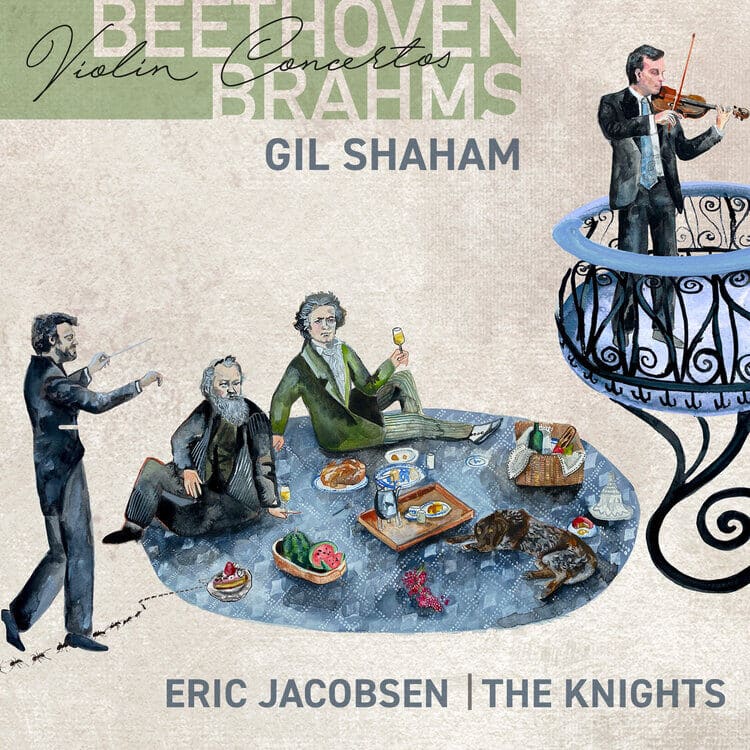
Last Sunday afternoon, Bay Area violinist Gil Shaham performed an all-Bach program in Dinkelspiel Auditorium. The pieces he played Partitas No. 2 in D minor, No. 3 in E major and Sonata No. 3 in C major were ones he's been playing for over 30 years, which explains the blistering speed at which he performed several of the movements.
Bach's Partitas for Violin Nos. 2 and 3 are staples of the violin repertoire the fifth movement of Partita No. 2, marked Ciaccona, is perhaps the best-known solo violin piece. It's the culmination of any aspiring violinists technical training, containing every technique one could possibly need when playing a violin piece. Johannes Brahms, one of the greatest Romantic period composers, said of the piece, On one stave, for a small instrument, the man writes a whole world of the deepest thoughts and most powerful feelings. If I imagined that I could have created, even conceived the piece, I am quite certain that the excess of excitement and earth-shattering experience would have driven me out of my mind.
There's an obvious challenge to performing such well-known pieces: Not only are mistakes all the easier to hear, but any audience member is virtually guaranteed to have heard several recordings of different interpretations of the music. With famous pieces such as these, often there will exist a definitive recording that is universally accepted as the best interpretation to date.
Gil Shaham's Sunday performance differed drastically from these more common interpretations, most noticeably in tempo and phrasing. Some of the ornaments, too, were noticeably different. Before performing, Mr. Shaham explained or, rather, cautioned about his interpretations, stating that he had strived to put the pieces and movements into the broader context of other suite movements with identical movement names. (Baroque suites are sets of dances, usually from six to eight movements long. There are common movement denotations: sarabandes, gavottes, allemandes and gigues, to name a few.
But it was all a breath of fresh air, a reminder of the value of originality in music performance. Pianist Glenn Gould, who holds the unrivaled position of the greatest Bach interpreter ever, often made stylistic choices during recordings and performances that were wrong, according to music historians who research how pieces might have been played in their times. And yet, one can't listen to Goulds recordings without identifying with his choices, without understanding his reasoning. It was the same with Gil Shaham's concert. I would hazard a guess at saying that on Sunday afternoon, nearly every audience member noticed something wonderful in the pieces played that they hadn't noticed before.