
- 05.23.13
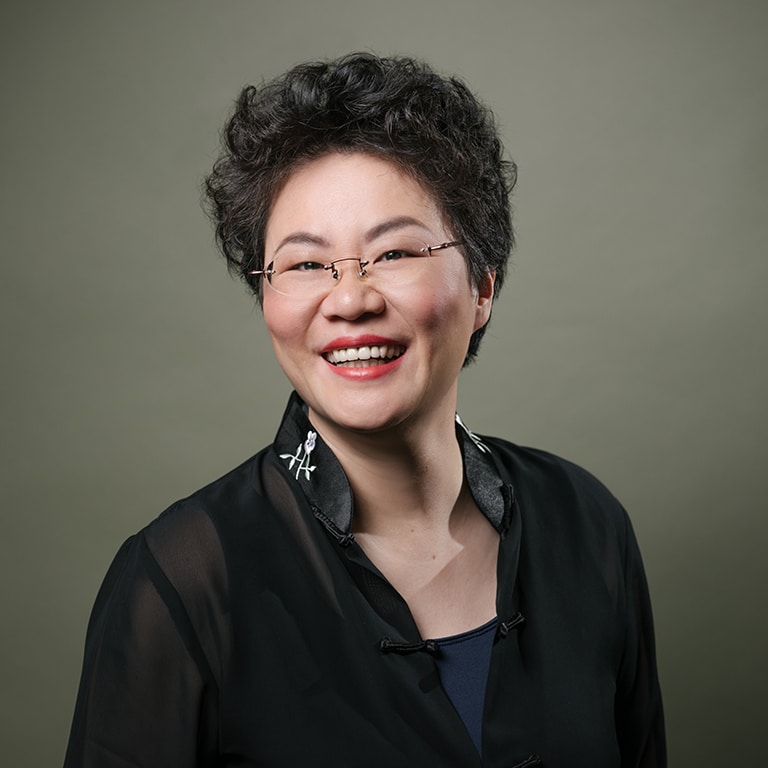
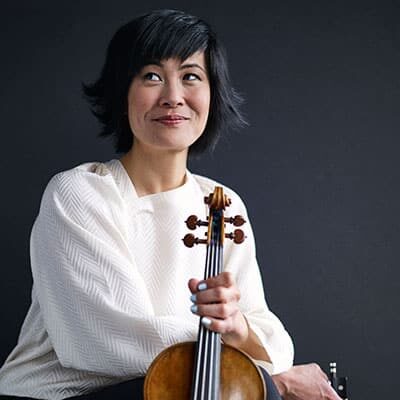
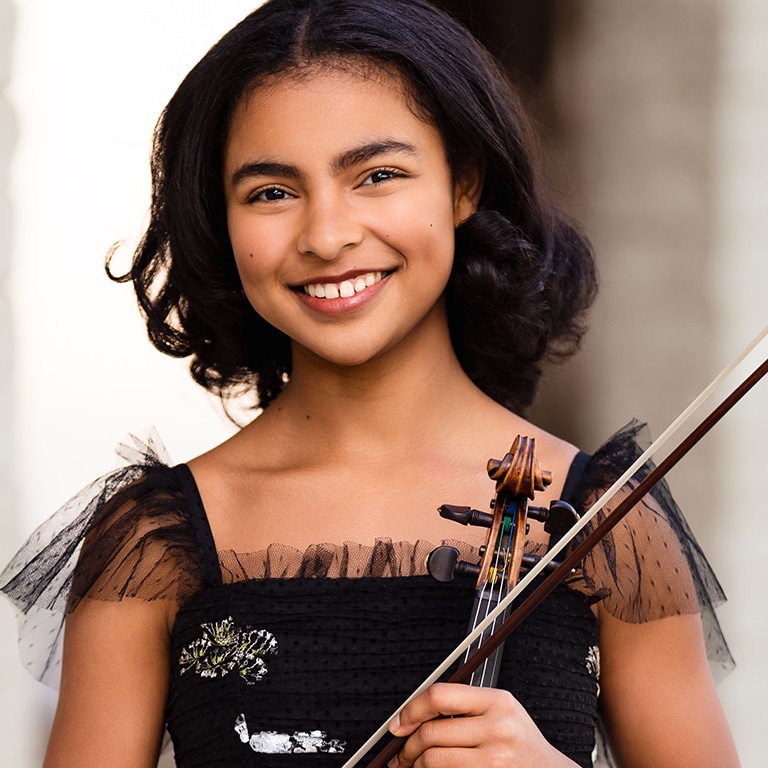
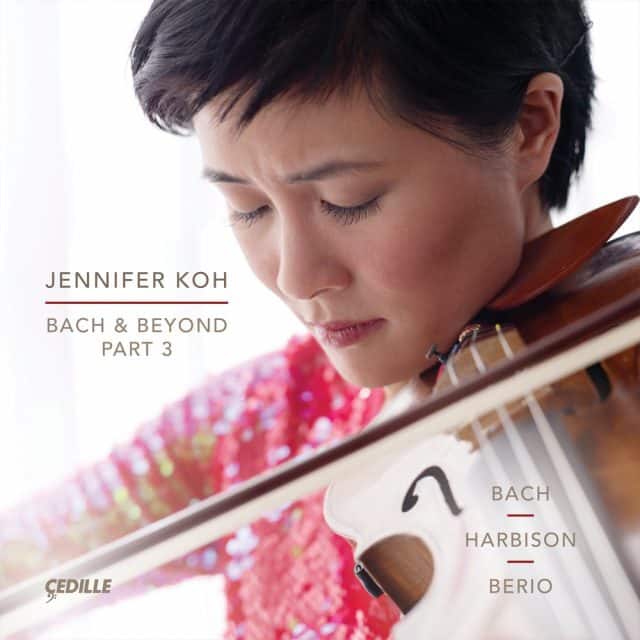
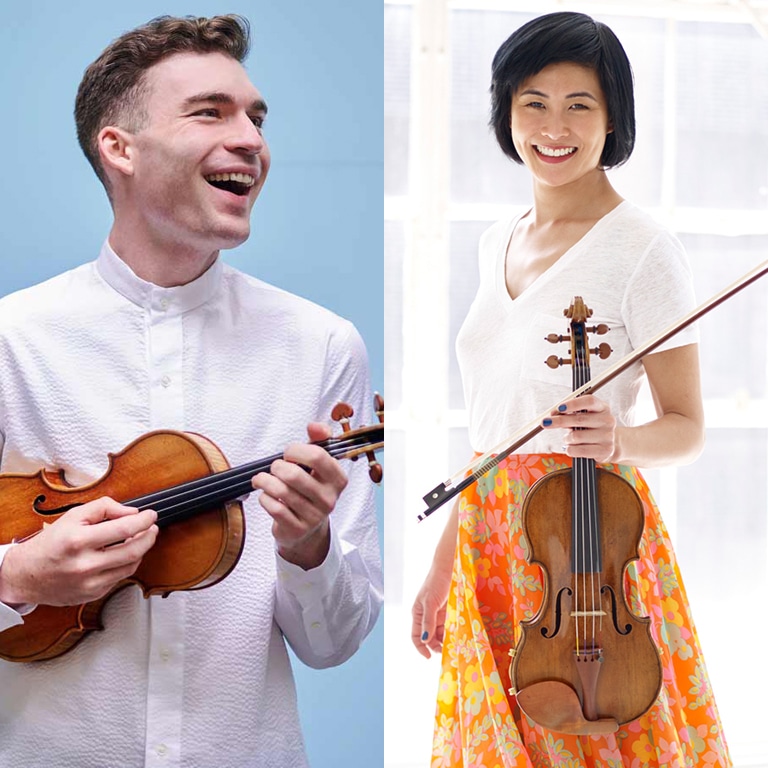
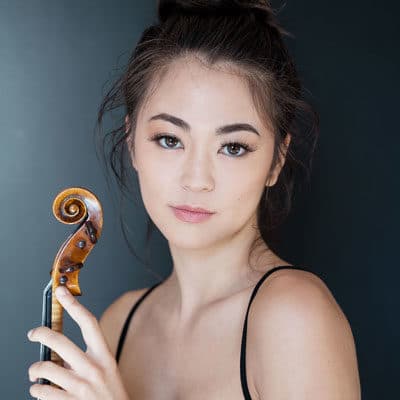
Jennifer Koh - Interview: Classical Violinist Jennifer Koh Finds Her Own Path to Music with Meaning
Asia Society - 05.23.13
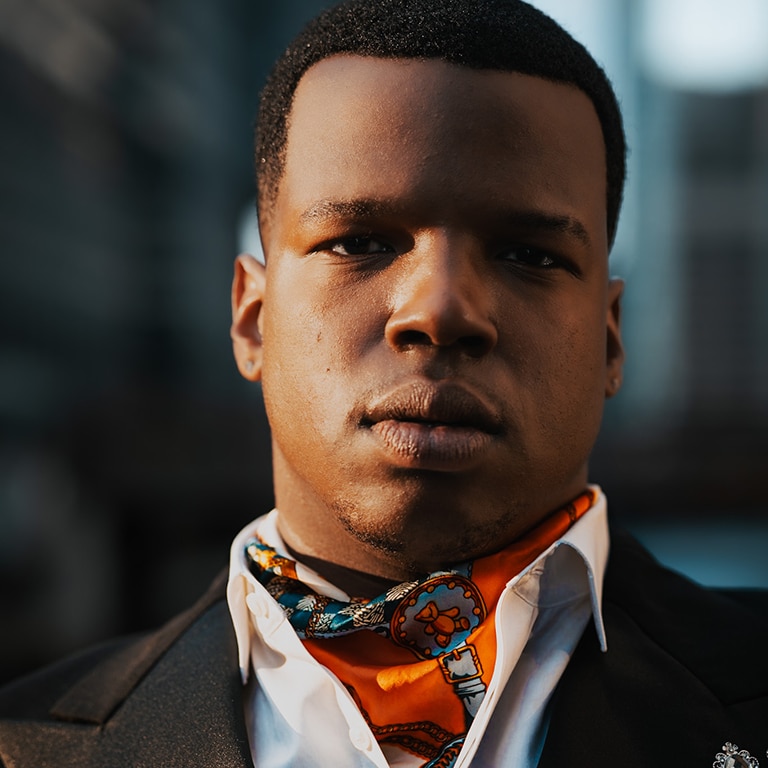
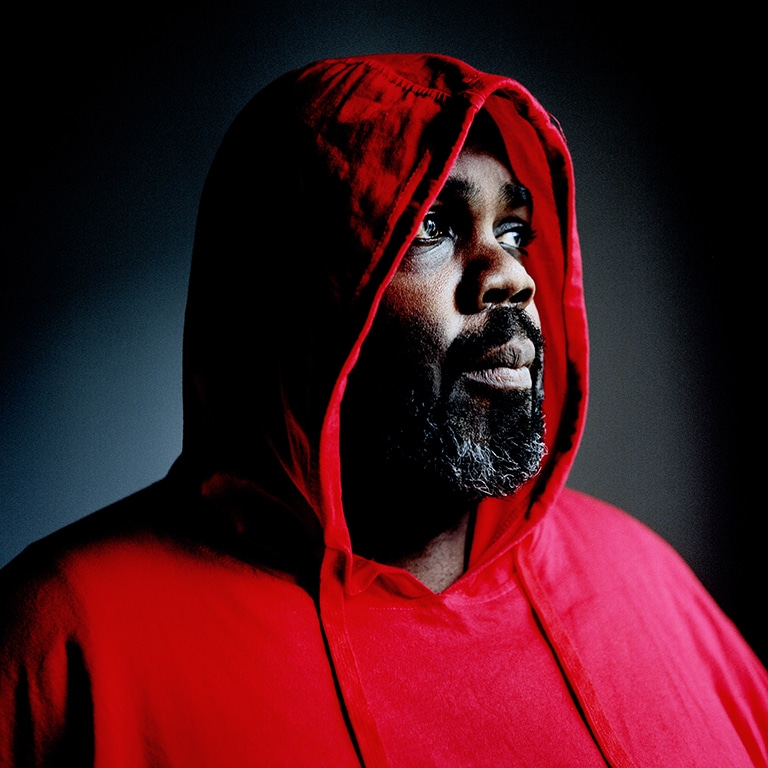
Andriana Chuchman, Michael Todd Simpson, Morris Robinson, Francesca Zambello - Review: Show Boat Is Sensational at Washington National Opera
Huffington Post - 05.21.13
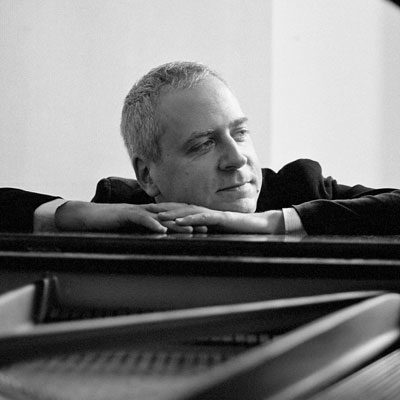
Jon Kimura Parker - Review: Rite- Jon Kimura Parker
allmusic - 05.20.13
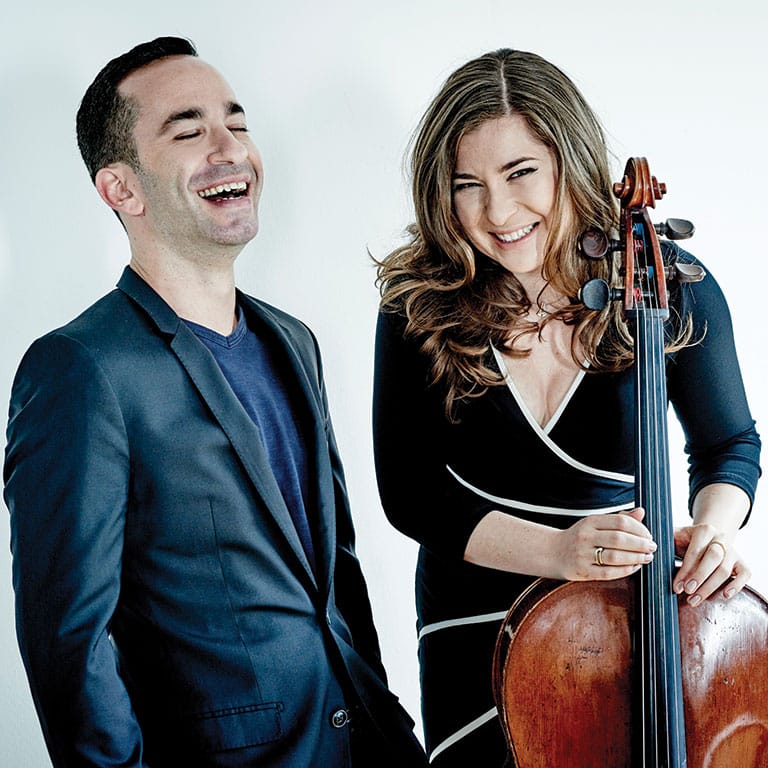
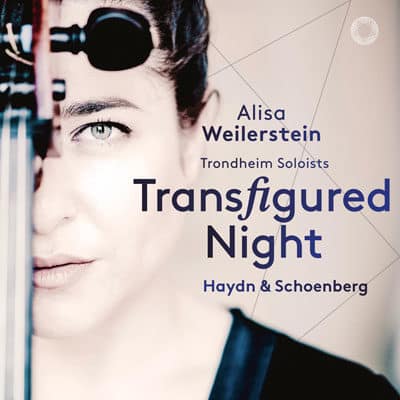
Alisa Weilerstein - Review: Alisa Weilerstein's star turn with L.A. Chamber Orchestra
Los Angeles Times - 05.19.13
Jennifer Koh - Music review: Oregon Symphony seasons ends with a mesmerizing violin performance
The Oregonian - 05.18.13
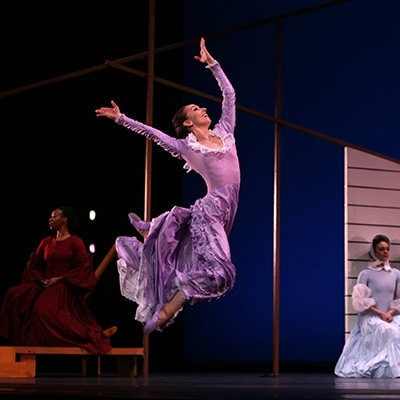
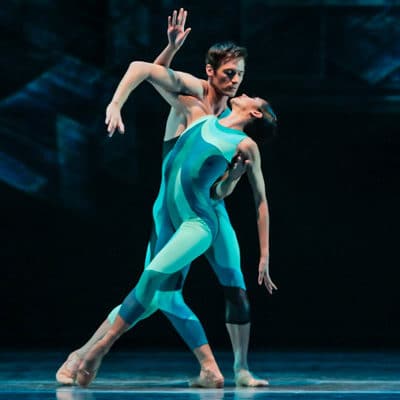
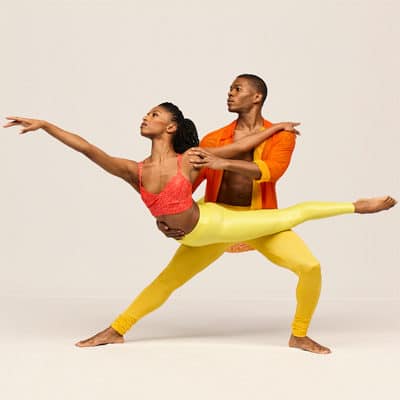
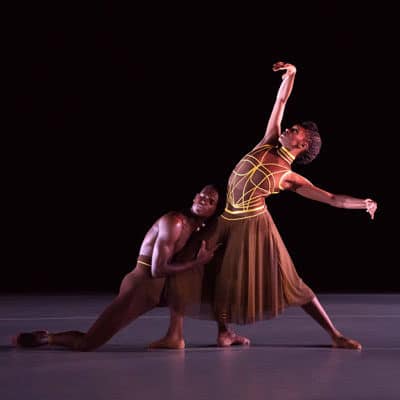
Alvin Ailey American Dance Theater - A bold, diverse opening night for Alvin Ailey
Boston Globe - 05.18.13
Jon Kimura Parker - Nearly 100 musicians to play Stravinsky's 'Rite of Spring' for Florida Orchestra
Tampa Bay Times - 05.17.13
Yuja Wang - Restrained, Then Madly Lyrical: The Pianist as Spring Mechanism
The New York Times - 05.15.13
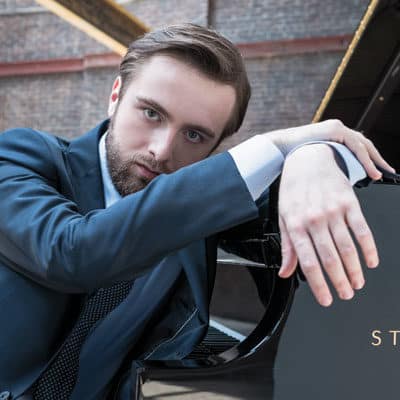
Denis Kozhukhin - Denis Kozhukhin Impresses in Prokofiev’s ‘War Sonatas’
Seen and Heard International - 05.15.13
Kuok-Wai Lio - KUOK-WAI LIO RECEIVES AVERY FISHER CAREER GRANT
Avery Fisher Artist Program
ARTIST NEWS
A LUNATIC TAKES OVER THE ORCHESTRA
11.02.10
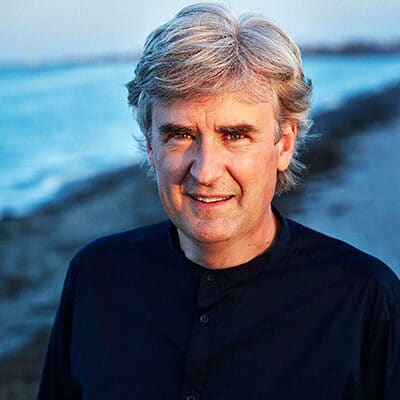
Professor Kubinek Meets the Symphony
Hancher Typepad
Sometimes great things can come from humble beginnings.
When internationally-renowned comedic performance artist Tomáš Kubínek first approached Hancher with his vision of collaboration between himself and an orchestra, his first form of contact was a single e-mail back in November of 2008 to Executive Director Chuck Swanson.
"I wonder if it is at all part of Hancher Auditorium's mission to develop work with symphonies," Kubínek wrote, "either with a local one in Iowa City or through outreach across Iowa."
Work with symphonies, as it turned out, was very much a part of Hancher's interest, and though the organization was battling with the loss of its venue due to the devastating floods in Iowa that year, Swanson was immediately intrigued by Kubínek's proposal.
"This type of collaboration is what Hancher is all about," Swanson said. "We're acting as a force to give these artists the opportunity to do their research and perform great art."
In order to facilitate Kubínek's artistic vision, Hancher approached Orchestra Iowa, a Cedar Rapids-based symphony led by Music Director Timothy Hankewich. Together, Hankewich and Kubínek would work to produce a symphonic work accentuated by Kubínek's distinct background in circus and comedic art. The resulting piece, "Professor Kubínek Meets the Symphony," celebrates its world premiere in Iowa City, with subsequent performances in Cedar Rapids, Decorah, and Mason City. Finally, Kubínek will perform with the Omaha Symphony in Nebraska before taking the show to orchestras and audiences across the United States and worldwide.
For Hankewich, the decision to work with Kubínek and Hancher was made easy by their shared desire to bring art to people in the Midwest. States like Iowa and Nebraska are sometimes referred to as "flyover states," a reference to the idea that important art only happens on the coasts and in major metropolitan cultural centers like New York City and Los Angeles, but Hankewich maintains that part of the impetus behind this performance is to show that art is universal and does not exclude people based on geographical location or proximity to other artists.
"I get a little upset when I hear that people think art stops at the Hudson River," Hankewich said. "The raw materials of art are your immediate surroundings. As a music director of a symphony orchestra, which is a pretty conservative medium, it's important to find ways to bring new life to an old life form."
When Hankewich first sat down with Swanson and Kubínek to talk about the show, it became clear to him that he was being offered a way to breathe life into a symphonic performance through the use of Kubínek's comedic style, and that Hancher would provide them with the means to take the show statewide.
"When I first met with Tomáš, we hit it off immediately," Hankewich said. "He is a tremendous artist and also a warm and engaging person who shares this vision of bringing art to everyone."
Though born in Prague, Kubínek fled the country with his family to escape the Soviet invasion of Czechoslovakia in 1968. By age 5 he was living in Canada and it was there that he first witnessed a circus. He was immediately transfixed by comedic performance and had an agent by the time he was a teenager, performing small shows in coffee-houses until he eventually made his circus debut as the rear half of a two-person horse.
From these humble beginnings, he has become an award-winning veteran of the solo comedic performance. This project marks the first time he will bring that comedic energy to bear with the backing of a full symphony orchestra. Kubínek said he sees a great deal of potential in the interplay between his off-the-cuff antics and the professional energy of an orchestra.
"There is so much power from the orchestra," Kubínek said. "It's a huge gleaming race-car with all the power and nuance of the universe under its hood. From the standpoint of a comic performer, there's a wonderfully incongruous relationship between everyone onstage, prim and proper with their finest clothes and gleaming instruments, and then, standing in front of it all, a scruffy little lunatic who thinks he can stop the rotation of the earth. The orchestra is the best straight man you could ever hope for, and in addition the music goes to all of the amazing, magical and emotional places that any other art form can."
As powerful as the connection between Kubínek and Orchestra Iowa may be, the partnership has not been without its challenges. Both Kubínek and Hankewich cited a lack of rehearsal time as a major hurdle between the genesis of the idea and its completion. The crux of the problem can be traced to the basic differences between primarily solo comedic acts and performances featuring full orchestras. Simply put, a good comedic act thrives on improvisation even after extensive rehearsing, and even welcomes small mistakes as a way to explore new approaches to what works and what does not. In contrast, the extensive coordination and cost required to bring together an 80-plus member orchestra for a rehearsal necessitates perfection from everyone involved. There is little room for error in such a large-scale operation.
"During a rehearsal there is a clock running and once the two and a half hours are up, that's it, so you have to be super economical," Kubínek said. "The most important part of a rehearsal is that the orchestra has to nail its music; all of my bits of interaction come second in the rehearsing so I have to really use my time well and be on the ball before the time runs out."
Kubínek, whose stage props generally involve items considerably less expensive than top-quality symphonic instruments worth thousands of dollars, added that he has to "create physical theater that has a sense of wild abandon while being aware that one false move could create a domino effect and wipe out a million dollars worth of the string section."
Despite any logistical challenges they may have faced, it's clear that Kubínek and Orchestra Iowa are challenging the notion that classical music is an art form that must be appreciated in a solemn, silent manner.
"Laughter removes the stereotypical barriers that often get in the way of people who wish to experience symphonic music but don't know the history behind the work, or they don't know the rituals, where to applaud or not, et cetera" Hankewich said. "There are orchestras having financial difficulties tied to a drop in attendance, and this is one way of reaching out to an entire new generation to invite them into the world of symphonic music."
Kubínek agrees, adding that from a historical perspective, many of the classical pieces used in the performance were considered groundbreaking and nontraditional in their time.
"[The music] wasn't precious or reverent, it was amazing and revolutionary and blew peoples' minds, and by reframing it all we're doing that again," Kubínek said.
This new take on an old, well-respected style of musical performance has others around the state of Iowa and the Midwest interested, too. Tanya Gertz, Director of Campus Programming at Luther College, believes the performance will find an engaged audience of young musicians and local community members at Luther. The campus will play host to the Decorah performance of "Professor Kubínek Meets the Symphony."
"It's such a unique and distinctive project that will have an even greater interest because it's grown here in Iowa," Gertz said of the performance. "Projects like this are expensive, there's no way around it, but projects like this are also really innovative and important, and we are lucky to have a place like Hancher that has the vision and the connections and the financial support to really make this happen."
When Kubínek and Orchestra Iowa bring the performance to Mason City, North Iowa Area Community College Director Liz Gales believes the show will provide a "great a way for a community our size to feature an 83-piece orchestra."
"I think it's important for our youth to be exposed to these sorts of works," Gales said. "For years we had very little exposure to live events, and I think it's wonderful for our communities to be able to offer this performance to enhance the quality of life in rural areas."
After Kubínek and Orchestra Iowa finish up their performances in Iowa, Kubínek will perform the piece in Omaha with the Omaha Symphony. According to Swanson, the aim of the performance is to ensure that Kubínek's work with Orchestra Iowa would be transferable to another symphony, and he cited the "very high-caliber reputation" of Omaha's orchestra as one of the main factors for the organization's involvement.
Lex Poppens, Vice President of Marketing for the Omaha Symphony, said that while the symphony had not previously worked with Hancher in a direct way, he had worked with a number of Hancher employees previously and was familiar with Kubínek's reputation as a top-notch performer.
"Tomáš brings something you might call a clown performance, but it's really an artistic creation and it's based on a lot of history," Poppens said. "People will appreciate him as an artist who keeps his repertoire fresh, and what I like about this performance is that Hancher made the decision to be a part of this collaboration easy simply by having their name attached to it, along with the Iowa West Foundation."
Like many of the organizations supporting this work financially, the Iowa West Foundation has a history of partnering with Hancher to produce art in Iowa and the Midwest.
"When Chuck Swanson explored with us another education-related performing arts project in southwest Iowa, Foundation President & CEO Todd Graham and I began brainstorming," said Jerry Mathiasen, Senior Vice President of the Iowa West Foundation. "We recalled the successes of the Iowa West grants with both Hancher and the Omaha Symphony - we thought, why not see if they'd collaborate on something?"
Mathiasen remembered the big success of Hancher bringing the world-famous Joffrey Ballet to downtown Council Bluffs in 2007 with 5,000 people in attendance and the symphony's Memorial Day performance on the Iowa riverfront. Collaboration seemed a great next step, and so "we connected them up and encouraged them to engage local schools, too." Hancher's grant application was approved by the Iowa West Foundation in the fourth quarter grant cycle of 2009.
In addition to the Iowa West Foundation, "Professor Kubínek Meets the Symphony" is supported by grants and donations from the National Endowment for the Arts, an anonymous family foundation, ACT, Rockwell Collins, Betty Winokur, the Community Fund of the Greater Cedar Rapids Community Foundation, and Hancher Partners.
While Kubínek is in Iowa he also plans to bring his lighthearted brand of humor to schools across the state, a practice he enjoys wherever he performs and that he first brought to Iowa in 2006 as part of Spot-The Hancher Family Arts Adventure, an ongoing effort that brings artists to communities across the state. Kubínek welcomes the ability to work with kids of all ages and backgrounds as a chance to "pass on an optimism and a belief in the boundless beauty and potential of each of those bright young spirits." In particular, this year he developed an outreach program with Hancher as part of his residency that focuses on youth at risk and youth in detention in Iowa.
"I'll be doing visits with these young folks, talking about my work and making them laugh and inspiring them to build their confidence and follow their own gifts and inspiration," Kubínek said. "I'm finding that these sorts of programs are spiritually rewarding in a whole different way. I feel like I can pass on a love and spark to young people and hopefully help them see their life as a big adventure with endless possibilities."
With any luck, and perhaps a bit of guidance from a self-proclaimed "Certified Lunatic and Master of the Impossible," these kids from "humble beginnings" just might go on to do their own great things some day. Ultimately, that's what makes all the work and involvement that goes into a project like this, from initial e-mail to international tour, worthwhile for Kubínek, Hancher, Orchestra Iowa, the Omaha Symphony, and the multitude of financial supporters.
"The fact that Hancher Auditorium has taken this project on and raised all of the funding for Orchestra Iowa and myself is a testament to Hancher's role in making the arts vital and important for people in Iowa and beyond," Kubínek said. "It's all about inspiring people through the arts and this show will continue to tour to orchestras big and small around the world, all thanks to Hancher's lead."