
- 05.19.13
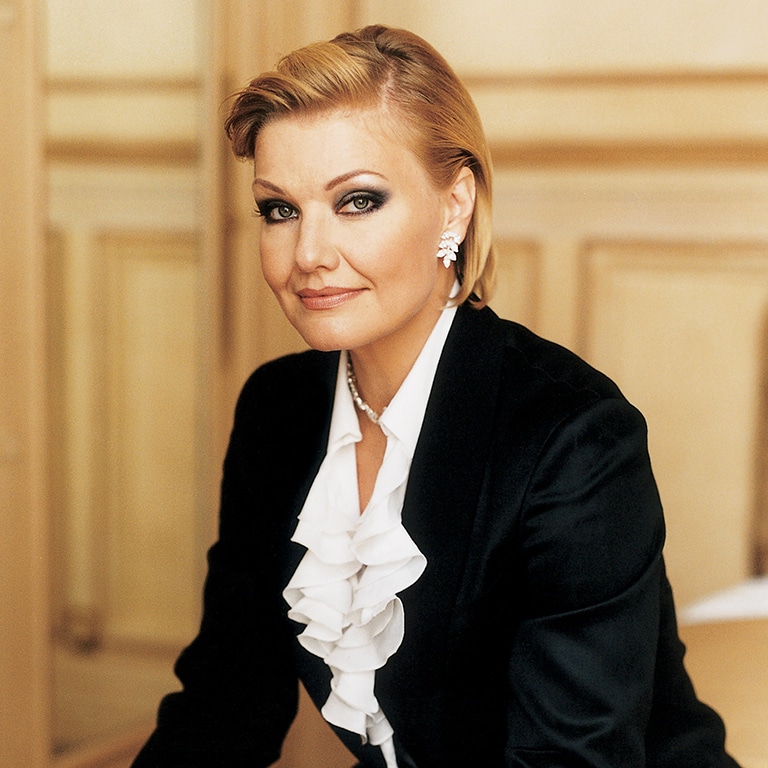
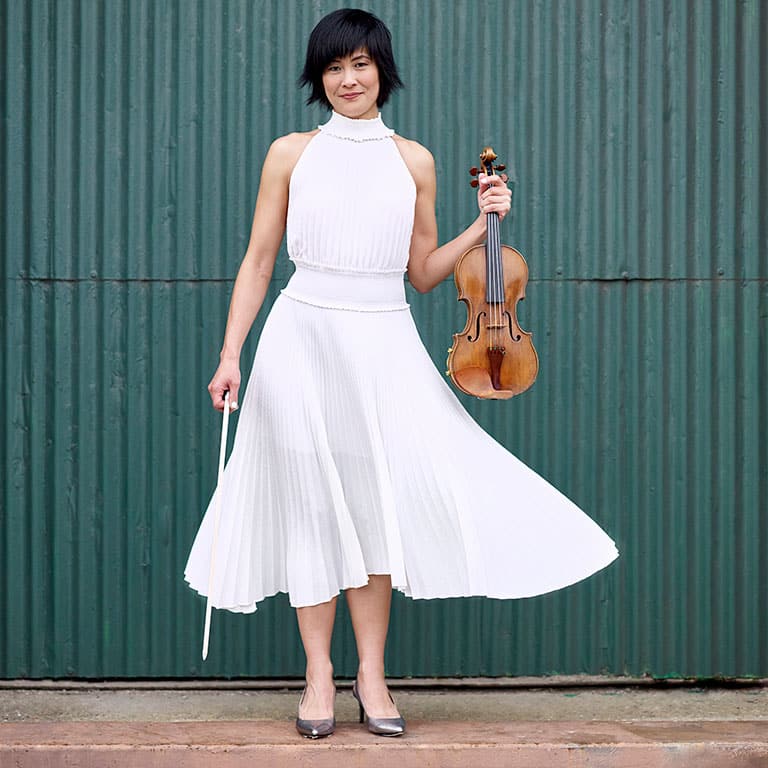
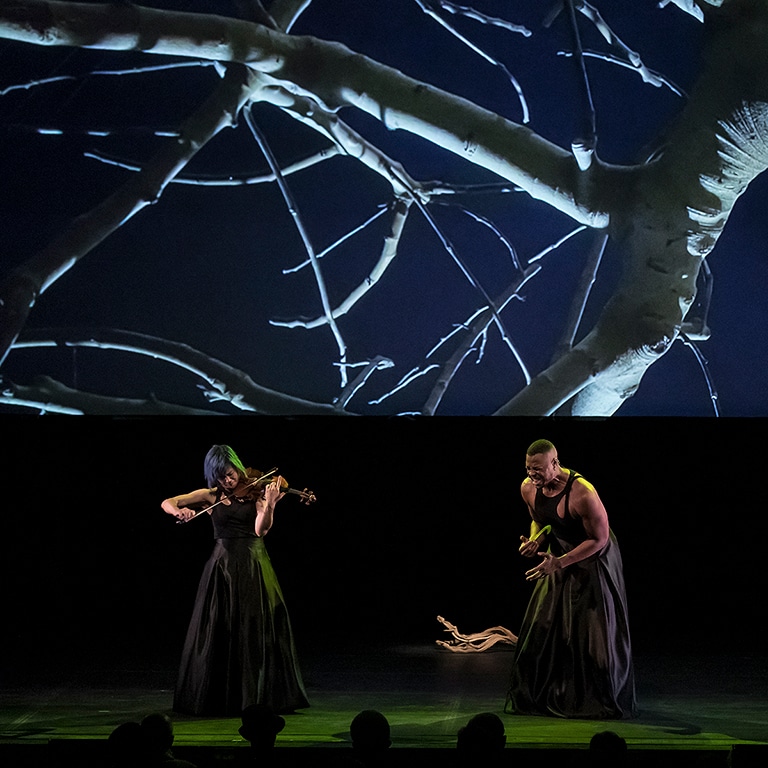
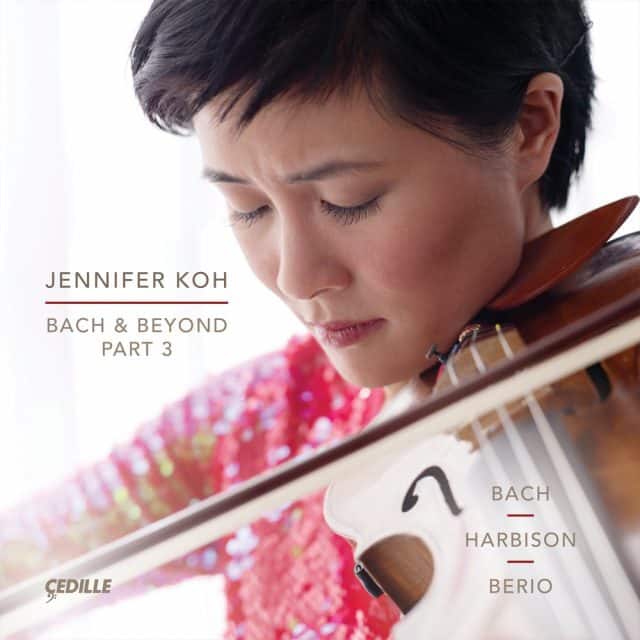
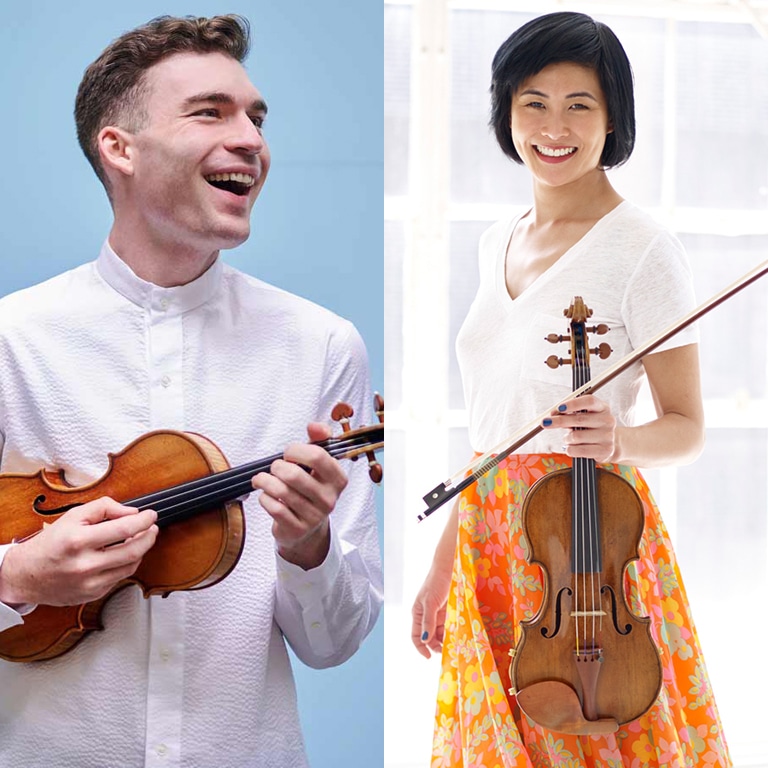
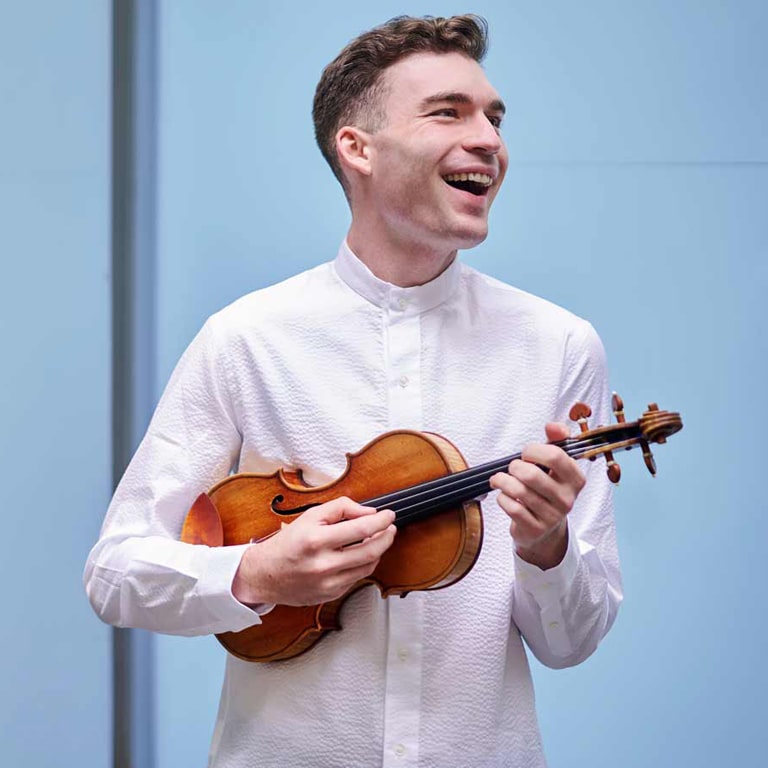
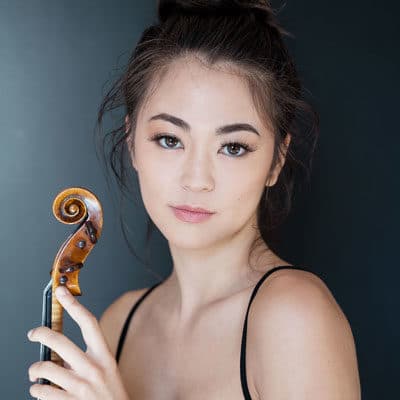
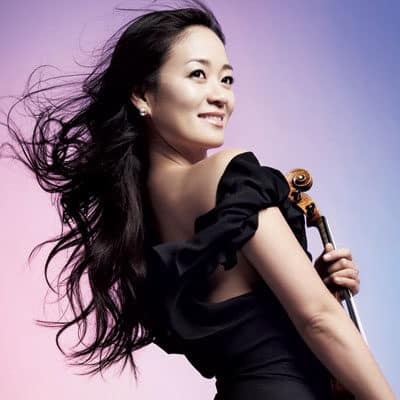
Jennifer Koh - Music review: Oregon Symphony seasons ends with a mesmerizing violin performance
The Oregonian - 05.15.13
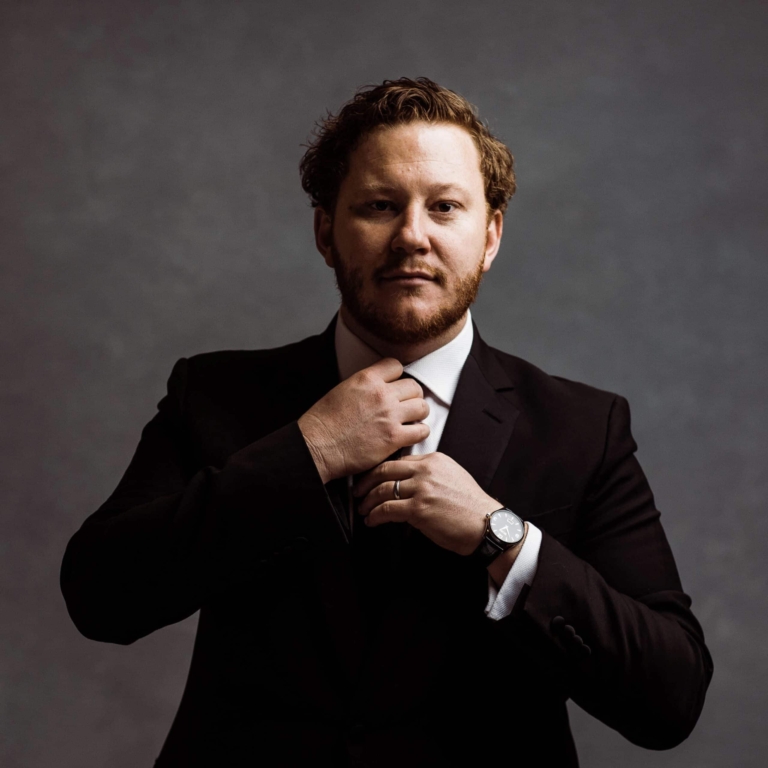
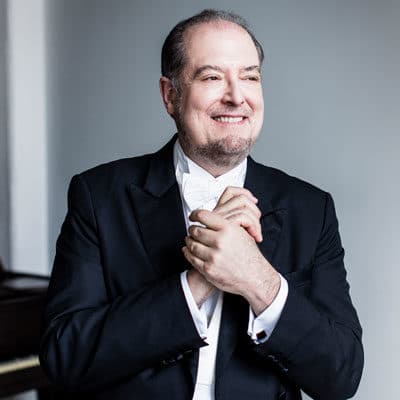
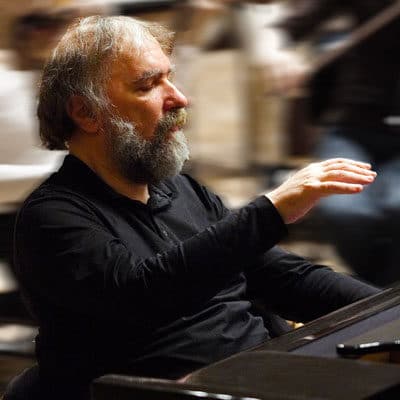
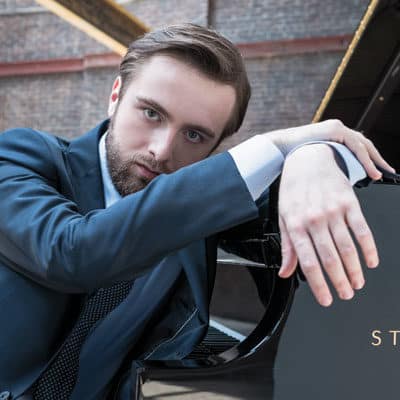
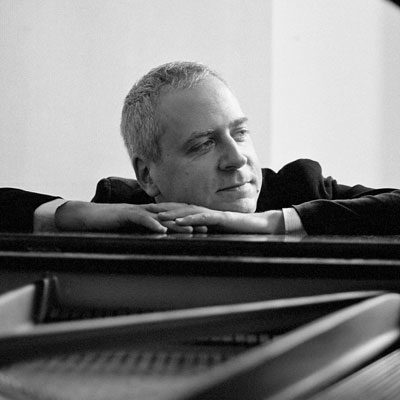
Denis Kozhukhin - Denis Kozhukhin Impresses in Prokofiev’s ‘War Sonatas’
Seen and Heard International - 05.15.13
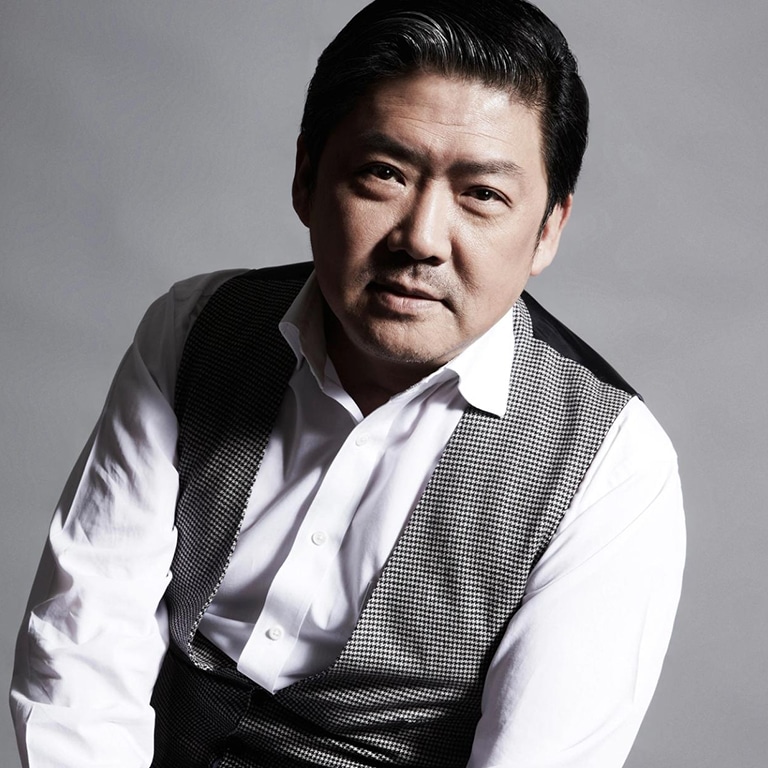
Kuok-Wai Lio - KUOK-WAI LIO RECEIVES AVERY FISHER CAREER GRANT
Avery Fisher Artist Program - 05.14.13
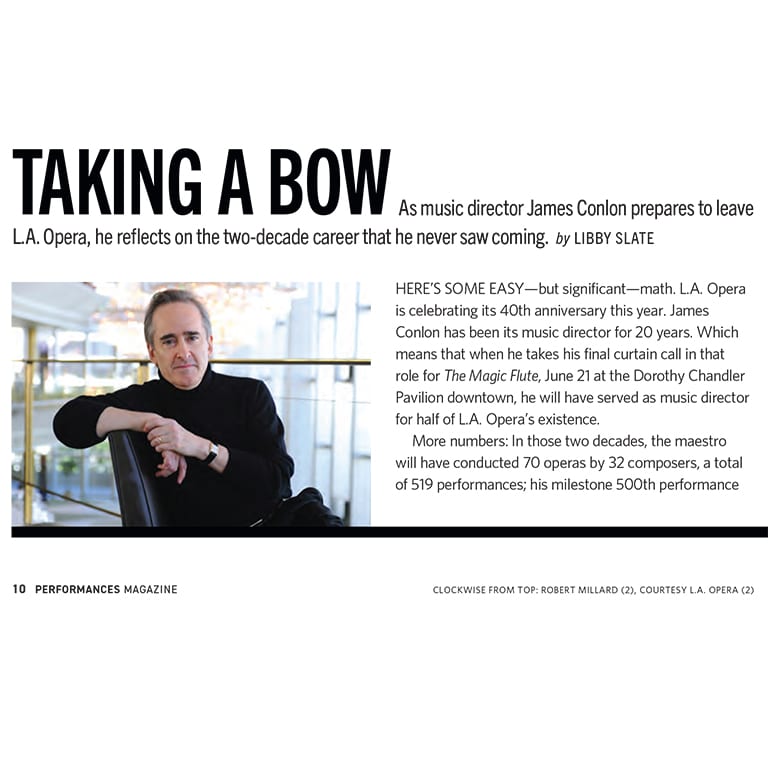
James Conlon - JAMES CONLON OPENS THE 2013 FESTIVAL DE SAINT-DENIS CONDUCTING TWO CONCERTS OF BERLIOZ’S L’ENFANCE DU CHRIST IN HONOR OF SIR COLIN DAVIS WHO WAS SCHEDULED TO CONDUCT THE WORK
Shuman Associates Inc - 05.13.13
James Conlon - Review: Powerful reading of Mozart Requiem opens May Fest
Cincinnati.com - 05.13.13
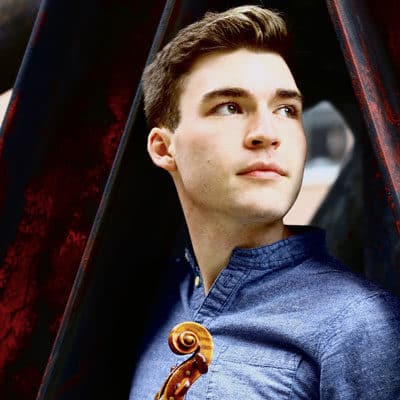
James Feddeck - Cleveland Orchestra Youth Orchestra delivers bittersweet season finale (review)
Cleveland Plain Dealer - 05.12.13
James Conlon - Review: May Festival reaches heavenly heights with 'War Requiem'
Cincinnati.com - 05.12.13
Shai Wosner - Pianist Shai Wosner finds Schubert’s dark side
The Washington Post - 05.10.13
Jon Kimura Parker - Jon Kimura Parker Takes on Mussorgsky, Rachmaninoff, Prokofiev & Stravinsky
The SunBreak - 05.10.13
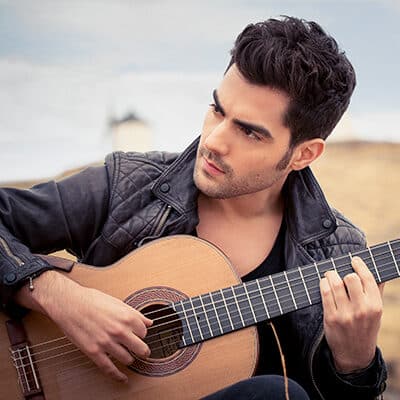
Alexandre Tharaud - OPUS 3 ARTISTS SIGNS ALEXANDRE THARAUD
ARTIST NEWS
A Lot of Schubert and a Touch of Poetry
09.18.11
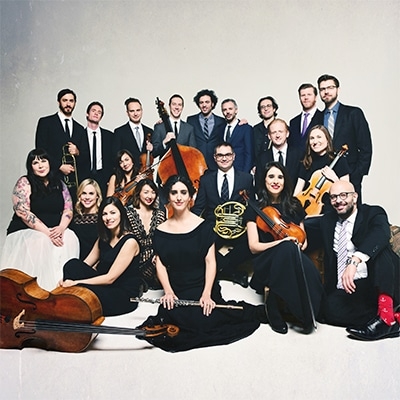
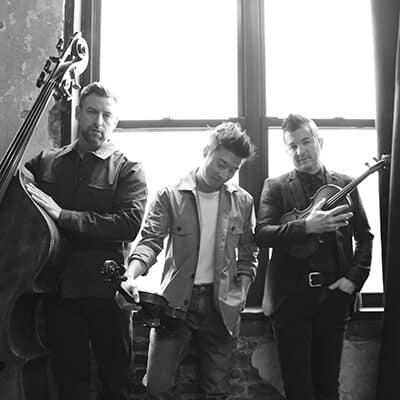
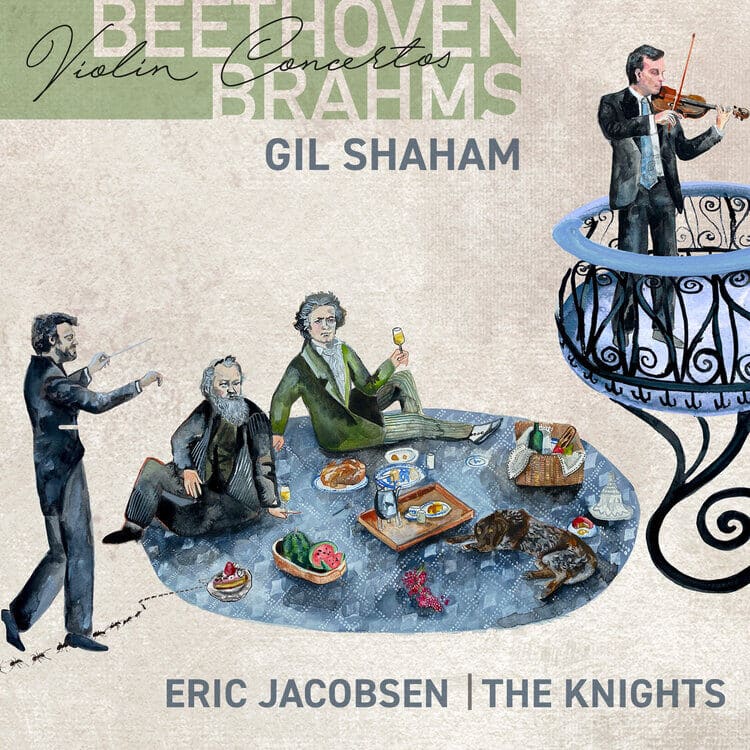
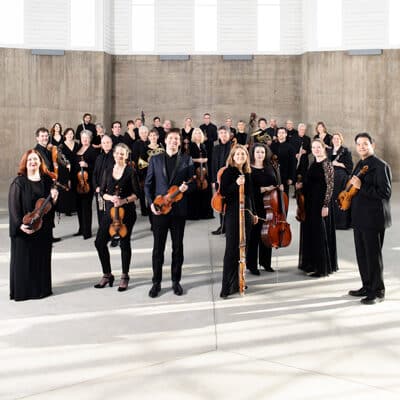
The Knights
The New York Times
By Zachary Woolfe
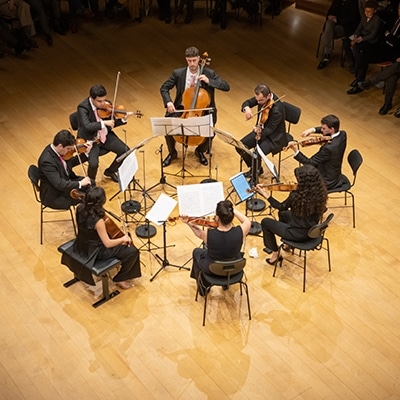
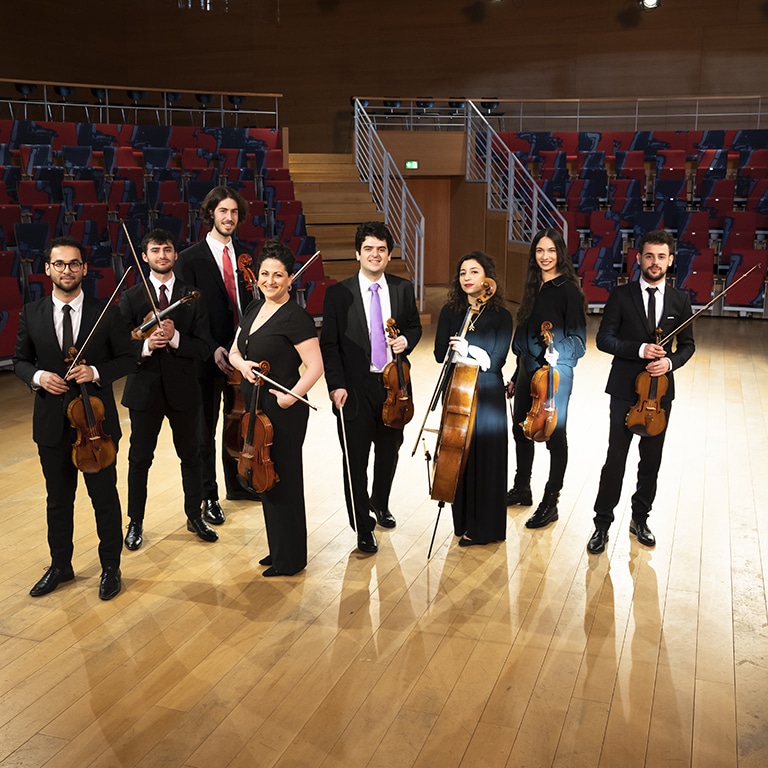
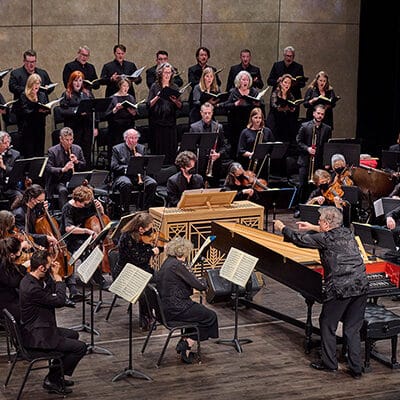
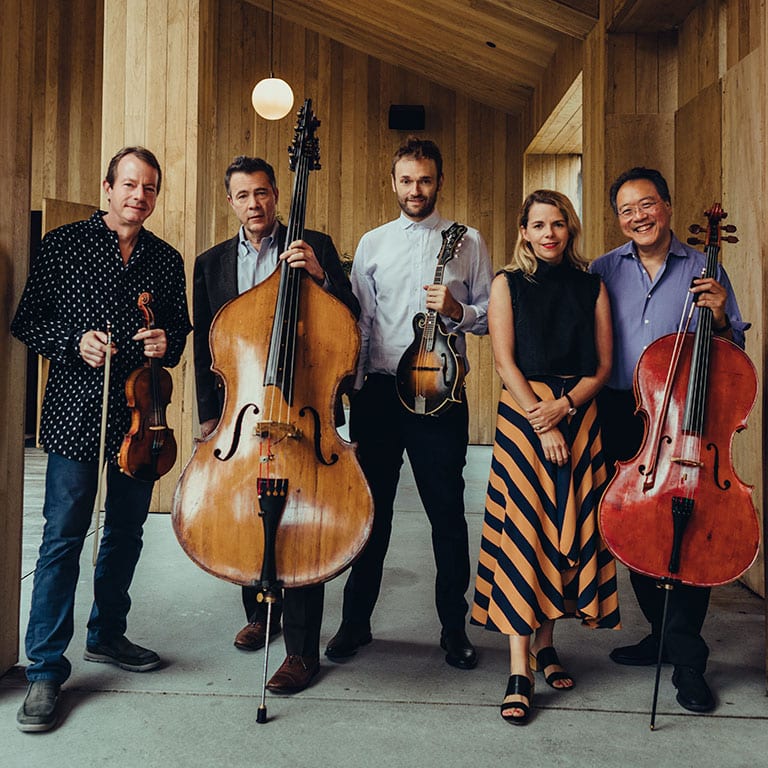
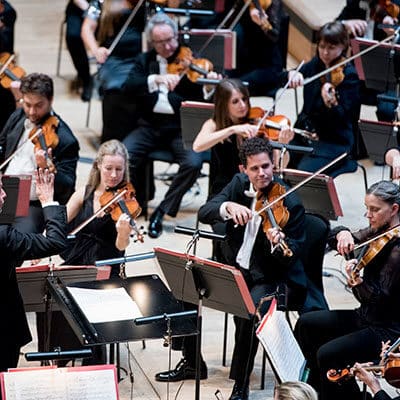
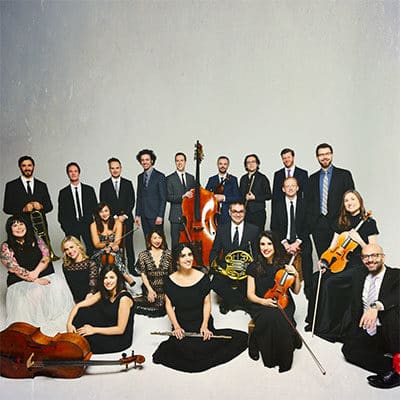
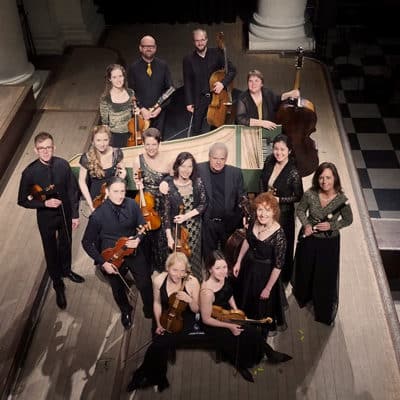
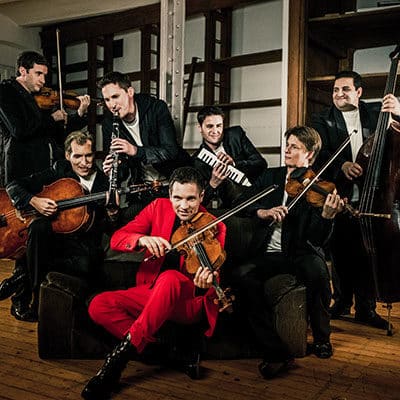
As their engagements have become more prestigious, and their recording career has grown, the Knights, the excellent young chamber orchestra, have kept up their longstanding relationship with Bargemusic. On Friday evening members of the group returned to the idyllic performance space — which floats, sometimes gently and sometimes less so, next to the Brooklyn Bridge — for a program mixing old and new.
Dominating the concert was the closer: Schubert’s sprawling Octet, led by the group’s co-founder, the sweet-toned, sensitive violinist Colin Jacobsen. As always with the Knights it was a careening, intense performance. There were passages of rough ensemble and uncertain pitch but far more that were richly passionate, like the riotous third-movement Allegro Vivace. After the work’s dizzying range of moods and harmonies the players pulled back thrillingly for the final movement’s swift dance, almost Baroque in its courtliness.
The austere dissonances of the octet’s second movement, as well as the performance’s exuberance and rhythmic bite, seemed, in the group’s thoughtful programming, an outgrowth of the first half of the concert. This was framed by two works by Argentine composers starting with Alberto Ginastera’s “Impresiones de la Puna.” The Ginastera begins with a low melody in the strings that’s taken up by the flutist (the dazzling Alex Sopp), who spins off in a quick-bursting cadenza before leading the players through the other two short movements, a folksy “Cancio” and a vibrant “Danza.”
The first section of Osvaldo Golijov’s “Lullaby and Doina” is an exuberantly moody song, with rich melodies in the cello and violin that the brothers Eric and Colin Jacobsen ripped into with gusto. The lullaby dissolves into little riffs over trembling strings, the viola (Max Mandel) oscillating weirdly, before the whole ensemble bursts into the finale, an irresistibly racing dance like klezmer on speed, which the Knights played with confident virtuosity.
Between the Ginastera and the Golijov was the premiere of a new piece by Russell Platt. Or rather, like the program itself, both an old and new piece. In 2002 Mr. Platt composed “Paul Muldoon Songs,” five settings of Mr. Muldoon’s poems, for tenor and piano. He has arranged one of the five into what he calls a “song without words” for instrumental septet, which takes as its title the first line of Mr. Muldoon’s “Avenue”: “Now That We’ve Come to the End.”
The brief, lovely work starts with gauzy high notes in the strings opening into seductively forbidding lines for the clarinet (the eloquent Romie de Guise-Langlois) and piccolo (Ms. Sopp). All the instruments finally achieve an ominous consonance, with a dark, subtle undercurrent in the double bass. The dull rumble of the motors of boats passing the barge was an unexpectedly perfect accompaniment.