
- 09.03.10
International Tchaikovsky Competition - Tchaikovsky 2011 laureates to be managed worldwide by leading artist agencies
International Tchaikovsky Competition - 09.02.10
Alvin Ailey American Dance Theater - JUDITH JAMISON TO BE HONORED AT WHITE HOUSE DANCE SERIES PRESENTED BY FIRST LADY MICHELLE OBAMA
Alvin Ailey Press Room - 08.30.10
Donald Runnicles - EIF: A new wonder of the world
Herald Scotland - 08.28.10
Alisa Weilerstein, Minnesota Orchestra - Prom 56: Minnesota Orchestra / Vanska, Royal Albert Hall, London
The Independent (UK) - 08.26.10
Osvaldo Golijov, Golijov's La Pasión según San Marcos - The Passion of Osvaldo Golijov
Bluefat - 08.25.10
Sarah Chang - Leonard Slatkin and Sarah Chang return to the Hollywood Bowl for Shostakovich
Los Angeles Times - 08.25.10
Lawrence Foster - Philadelphia Orchestra finale excited SPAC audience
The Saratogian - 08.24.10
eighth blackbird - eighth blackbird performs Steve Reich’s Pulitzer Prize-winning Double Sextet on new Nonesuch CD, to be released on Sept 14
21C Media Group - 08.23.10
Jeremy Denk - Mozart as Appetizer, Schumann as a Main Course
New York Times - 08.22.10
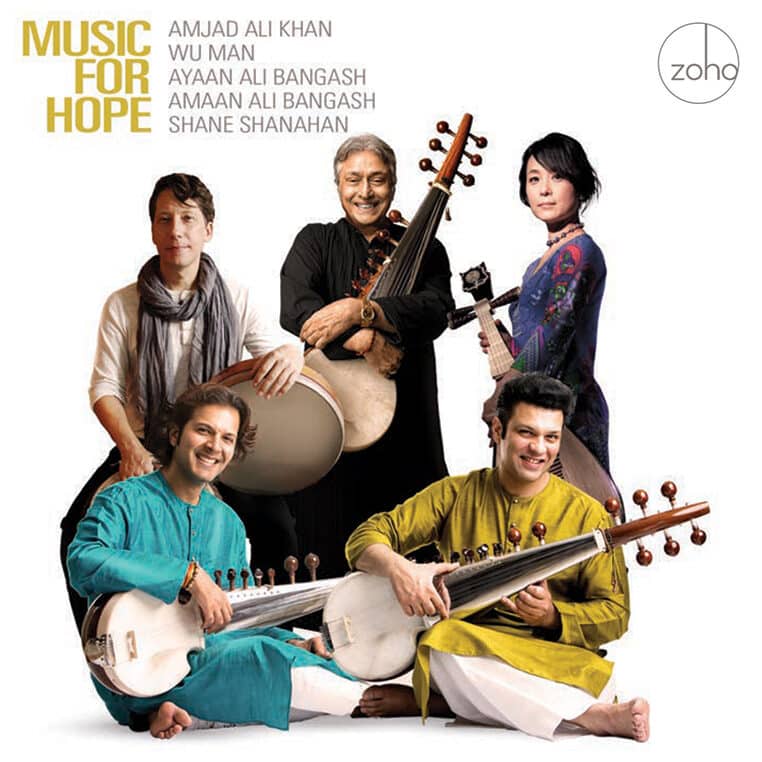
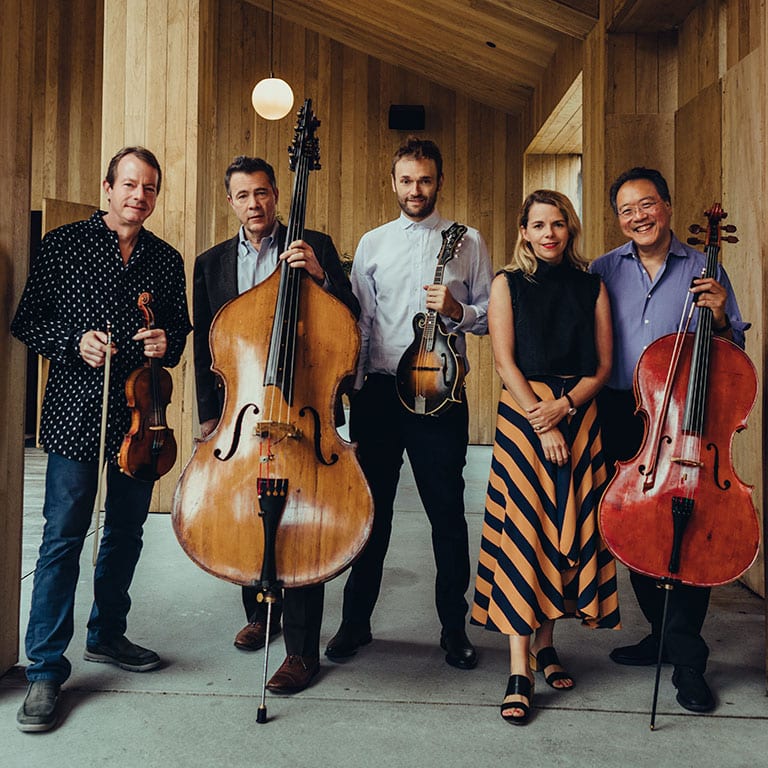
Silk Road Ensemble - Ma's Silk Road group treats Ravinia throng to a multicultural jam session
Chicago Tribune
ARTIST NEWS
Orchestra and pianist show interpretive power
10.10.09
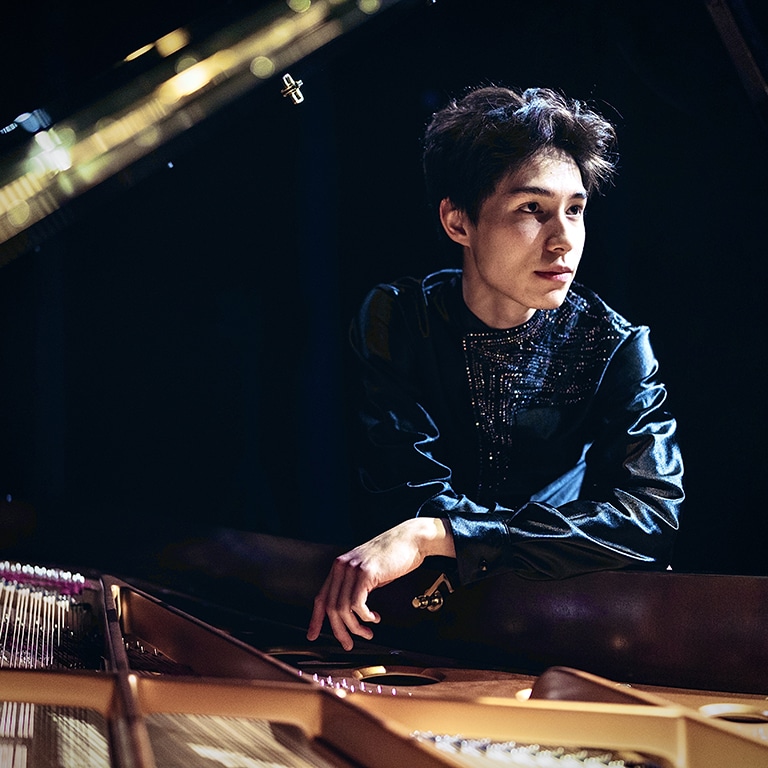
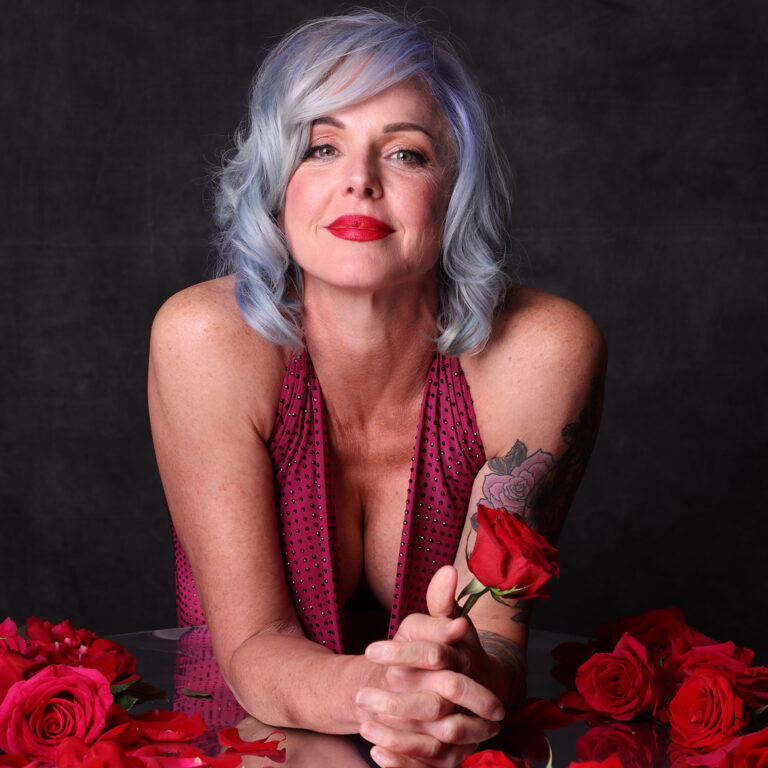
Yuja Wang
Philadelphia Inquirer
By David Patrick Stearns
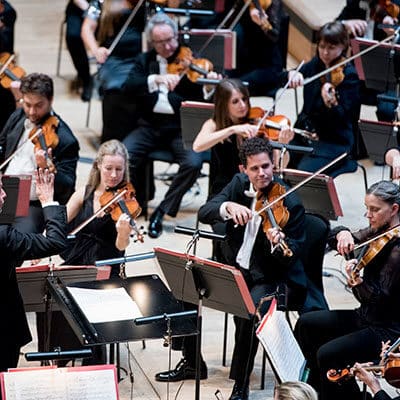
The money difficulties of the last year, the reportedly poor ticket sales of last week, and the future questions of musical leadership all seemed distant if not vanished - however momentarily - when the Philadelphia Orchestra played unusually fine performances of mostly standard repertoire with the smashing young pianist Yuja Wang for an audience that knew what it was hearing and loved it.
The program (which also opens the orchestra's Carnegie Hall season on Tuesday) showed Barber, Berlioz and Prokofiev in fascinating early states of creative consolidation - and showed how interpretations can radically change the way music speaks, or even whether it speaks.
Barber's Adagio for Strings, for one: Its 1938 world-premiere performance by the NBC Symphony under Arturo Toscanini (recently published by Pristine Classical) has faster-than-usual tempos, a vital pulse, and a climax that feels almost sexual - a rhapsodic love song with grave, intense undertones.
Seventy years on, musicians and audiences want to savor the music's loveliness in slower tempos that, with the lush Philadelphia Orchestra sonority under chief conductor Charles Dutoit, turn the piece into a secular requiem. Can two opposing approaches be right? Yes, when backed with conviction.
In fact, some sort of conviction test should be required by law for anyone taking on the main piece on Thursday's program, Berlioz' Symphonie Fantastique, which has so much performance mileage as to be a near-death experience in all the wrong ways.
The biggest problem in this symphony is the long third movement. The music's dialogue of shepherd pipes and distant thunder is a major momentum-killer in most performances I hear. Though Dutoit's Berlioz hasn't the verge-of-madness voltage of his deceased mentor Charles Munch, the third movement couldn't have been more cunningly paced - with Elizabeth Masoudnia's English horn solos creating an allegorical portrait of innocence in eloquent contrast to the piece's lurid depths.
The nastier music elsewhere in the symphony always makes an impression, but with Dutoit it takes on a three-dimensional sense of motion. He took the last movement's "fugato" up a notch with a thin, strange, utterly arresting timbre that was clearly achieved by having the strings bow closer to the bridge of the instruments - but with a shading I'm at a loss to dissect. Is it in the score? Does it matter? If you want to be a stickler for Berlioz's wishes, import an obsolete ophicleide from the nearest museum (which the composer requested and Dutoit reportedly likes, but that didn't make it to the Kimmel Center on Thursday).
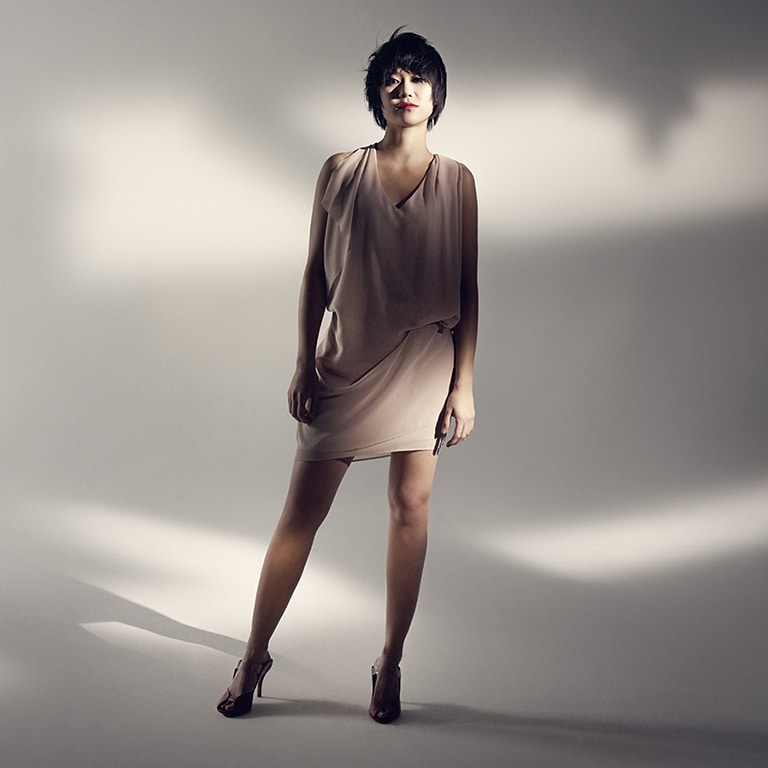
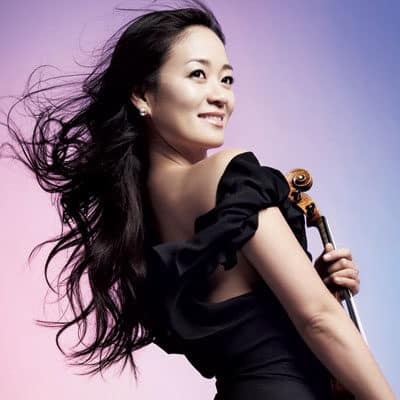
Soloist Yuja Wang, the Curtis Institute's latest contribution to the international pianist circuit, showed her sense of adventure by braving Prokofiev's difficult, unconventional Piano Concerto No. 2. She can give Prokofiev the customary metallic edges demanded by his popular Piano Concerto No. 3. But in the haunting opening movement of the second concerto, she was languid, revealing shades of orientalism with much seductive ambiguity. This sense of musical ownership wasn't bound to last in this oddball piece, whose third movement perversely shows the composer (a distinctive melodist) writing spans of music with emphatically unmelodic motifs. You want to tell Prokofiev, "Grow up already!" Luckily, he did.
Fresh phrase readings are only the most visible aspect of Wang's art. More important, she presents a cogent, logical big picture of everything she plays - hinge moments in the music get special attention - which is a godsend in something this discursive. The concerto also encourages superficial excitement with its velocity of notes. Wang played as though she didn't know how difficult it was - and didn't need to know.