
- 09.03.10
International Tchaikovsky Competition - Tchaikovsky 2011 laureates to be managed worldwide by leading artist agencies
International Tchaikovsky Competition - 09.02.10
Alvin Ailey American Dance Theater - JUDITH JAMISON TO BE HONORED AT WHITE HOUSE DANCE SERIES PRESENTED BY FIRST LADY MICHELLE OBAMA
Alvin Ailey Press Room - 08.30.10
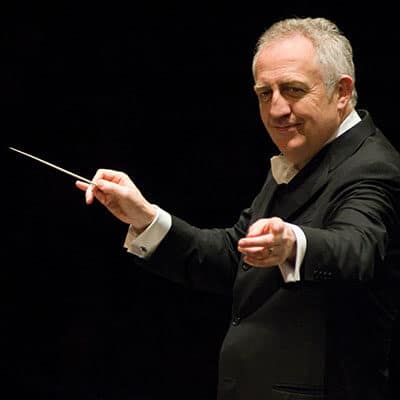
Donald Runnicles - EIF: A new wonder of the world
Herald Scotland - 08.28.10
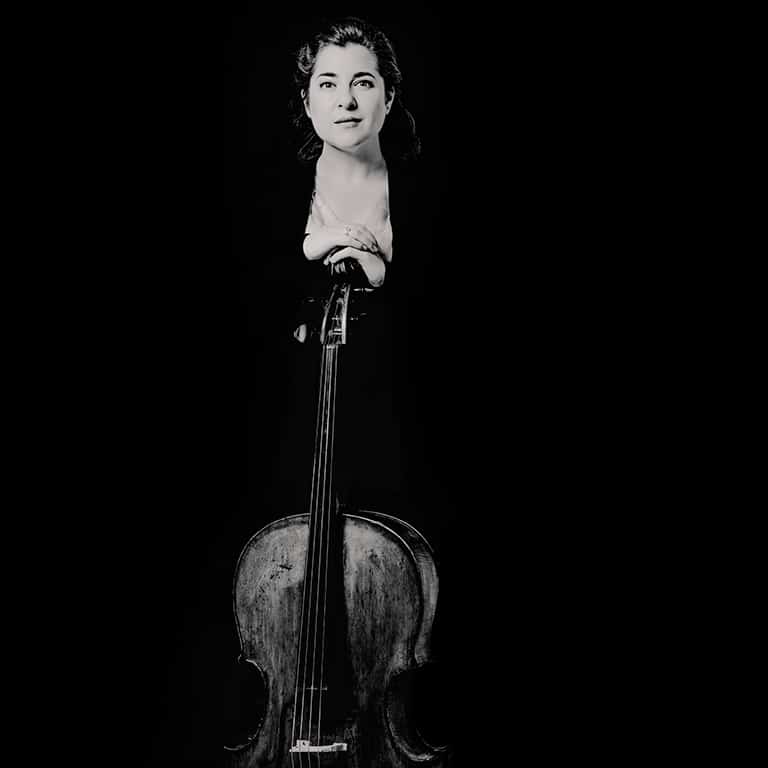
Alisa Weilerstein, Minnesota Orchestra - Prom 56: Minnesota Orchestra / Vanska, Royal Albert Hall, London
The Independent (UK) - 08.26.10
Osvaldo Golijov, Golijov's La Pasión según San Marcos - The Passion of Osvaldo Golijov
Bluefat - 08.25.10
Sarah Chang - Leonard Slatkin and Sarah Chang return to the Hollywood Bowl for Shostakovich
Los Angeles Times - 08.25.10
Lawrence Foster - Philadelphia Orchestra finale excited SPAC audience
The Saratogian - 08.24.10
eighth blackbird - eighth blackbird performs Steve Reich’s Pulitzer Prize-winning Double Sextet on new Nonesuch CD, to be released on Sept 14
21C Media Group - 08.23.10
Jeremy Denk - Mozart as Appetizer, Schumann as a Main Course
New York Times - 08.22.10
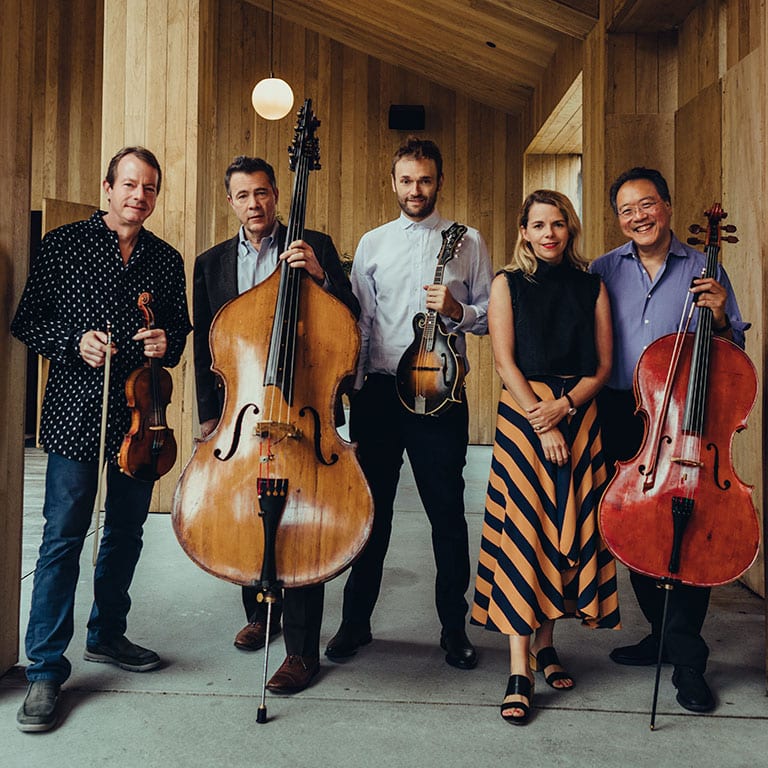
Silk Road Ensemble - Ma's Silk Road group treats Ravinia throng to a multicultural jam session
Chicago Tribune
ARTIST NEWS
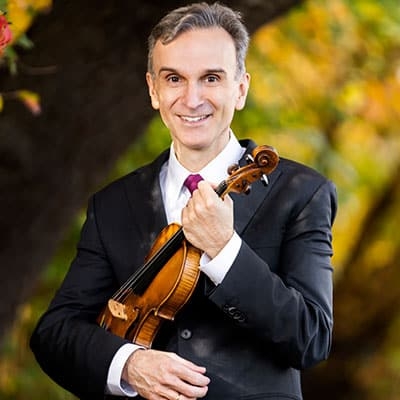
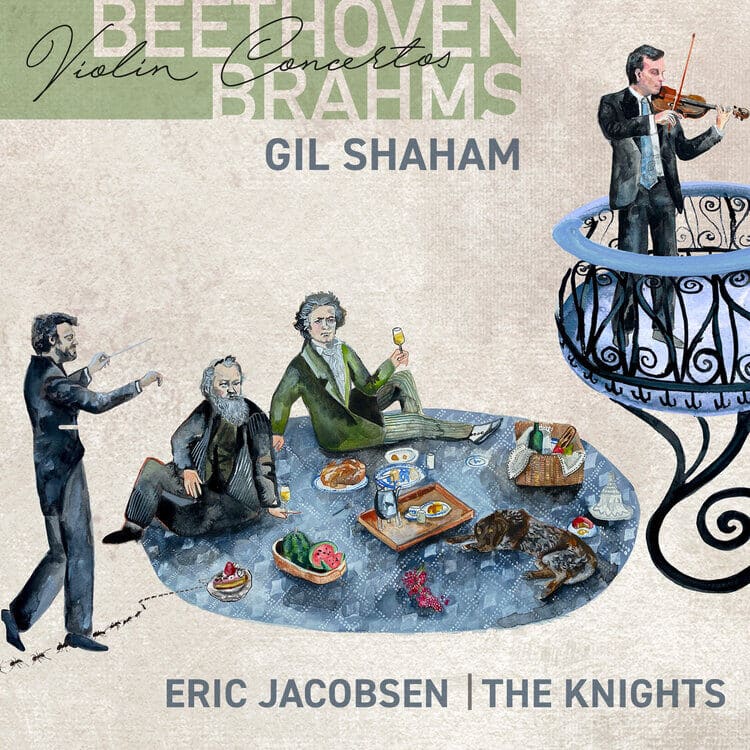
Gil Shaham steals the show; A violin virtuoso shines at the National Arts Centre
09.25.09
Gil Shaham
The Globe & Mail
By Christopher Moore
Virtuoso violinist Gil Shaham stole the show at the National Arts Centre Orchestra's season opener in Ottawa on Wednesday evening, the first in a series of five concerts organized under the patron-pleasing theme of the “Romantic Revolution.”
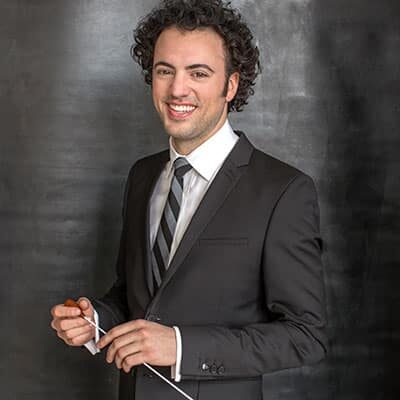
The Cantata Singers of Ottawa began the concert with the Five Serious Songs, Op. 104 by Johannes Brahms. An a cappella choir work is an odd way to open an orchestral concert, let alone the orchestral season, but I enjoyed how choral conductor Michael Zaugg led this mixed ensemble of 50 singers through these gorgeous and rarely performed works.
Written in the late 1880s, they drip with the melancholy world-weariness that so thoroughly permeated Viennese culture at the fin de siècle. Zaugg is a young, energetic conductor who knows how to shape a vocal phrase while eliciting varied and sensitively wrought colours from his ensemble. His youthful interpretation of these pieces offered a compelling taste of Brahms's spectacular choral garden, though I was disappointed that he did not choose to linger more emphatically on certain melancholic dissonances – hints of crimson and polished gold – that seemed to be begging for attention in Brahms's nostalgic sound world.
Following an uninspired rendition of Jubilee Overture by Malcolm Forsyth (the father of Amanda Forsyth, who is the orchestra's principal cellist), violinist Gil Shaham bolted onto the stage with a type of beatific determination that instantly endeared him to his audience. Mendelssohn's Violin Concerto represents the apogee of the composer's virtuosic writing for the violin, and Shaham brilliantly whipped off blazing arpeggios, soaring high notes and volleys of trills with the same apparent nonchalance with which he had knotted his tie.
In the third movement, so reminiscent of the composer's elfin incidental music for A Midsummer Night's Dream, his bow shot around like an arrow of featherweight precision. So contagious was Shaham's enthusiasm that the orchestra at times seemed to have sympathetically embraced his crisp, vigorous and alert articulation, thus overriding the somewhat lacklustre musical information provided by Zukerman from the conductor's podium.
After the intermission, the orchestra truly took centre stage with Beethoven's Symphony No. 3 (Eroica) , a work that is “revolutionary” in every sense of the word. Upon its 1805 premiere in Vienna, it was without doubt the longest to have ever been composed, and with such great length came many formal and technical complexities that changed the face of the genre forever. Beethoven's Third is a warhorse for many orchestras, and the NACO is no exception in this regard. Yet this particular work suits the orchestra's size and talents especially well, something that was made fully apparent on Wednesday evening.
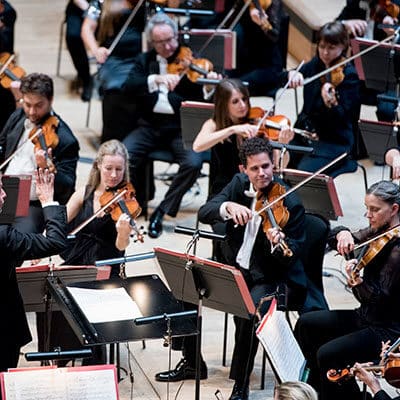
The many showcase moments for section leaders were impeccably rendered, particularly in the funereal second movement where the stark textures and dramatic use of musical silence provide no hiding places for technical imprecision. During the more rollicking parts of the symphony, however, the violins did at times strive to play slightly above their weight class. This resulted in a stridency that did not always marry well with the meaty string tone that Zukerman has been cultivating during his tenure here.
All in all, this was a finely executed performance by the NAC Orchestra but, despite its elegance, still failed to provide deep emotional punches. It will be interesting to hear how such an interpretive approach will play out this season as the orchestra wades into such large-scale works as Richard Strauss's Don Juan and Gustav Mahler's Symphony No. 1 and Symphony No. 8 .
The Romantic Revolution Festival continues through Oct. 1.