
- 09.03.10
International Tchaikovsky Competition - Tchaikovsky 2011 laureates to be managed worldwide by leading artist agencies
International Tchaikovsky Competition - 09.02.10
Alvin Ailey American Dance Theater - JUDITH JAMISON TO BE HONORED AT WHITE HOUSE DANCE SERIES PRESENTED BY FIRST LADY MICHELLE OBAMA
Alvin Ailey Press Room - 08.30.10
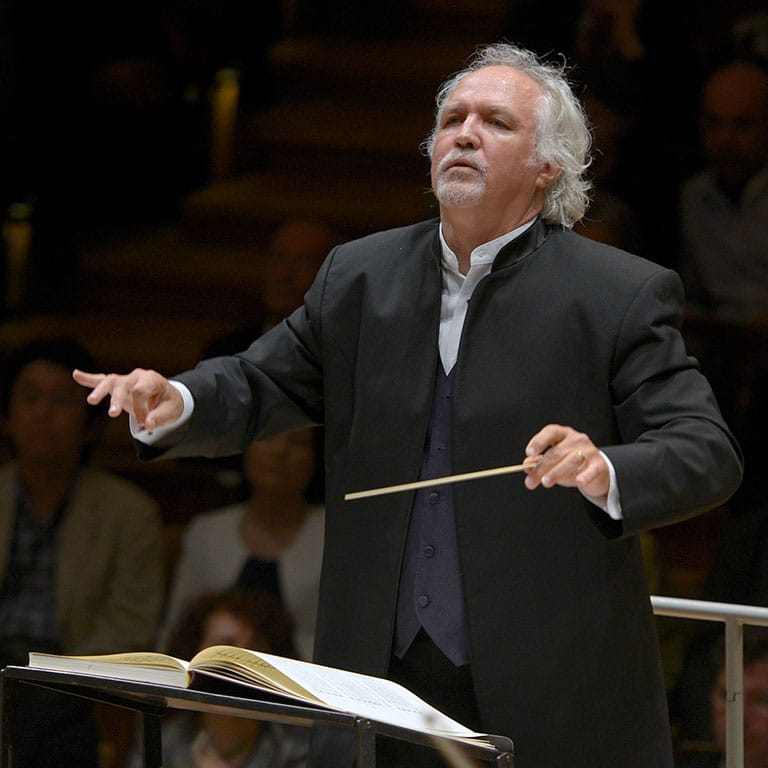
Donald Runnicles - EIF: A new wonder of the world
Herald Scotland - 08.28.10
Alisa Weilerstein, Minnesota Orchestra - Prom 56: Minnesota Orchestra / Vanska, Royal Albert Hall, London
The Independent (UK) - 08.26.10
Osvaldo Golijov, Golijov's La Pasión según San Marcos - The Passion of Osvaldo Golijov
Bluefat - 08.25.10
Sarah Chang - Leonard Slatkin and Sarah Chang return to the Hollywood Bowl for Shostakovich
Los Angeles Times - 08.25.10
Lawrence Foster - Philadelphia Orchestra finale excited SPAC audience
The Saratogian - 08.24.10
eighth blackbird - eighth blackbird performs Steve Reich’s Pulitzer Prize-winning Double Sextet on new Nonesuch CD, to be released on Sept 14
21C Media Group - 08.23.10
Jeremy Denk - Mozart as Appetizer, Schumann as a Main Course
New York Times - 08.22.10
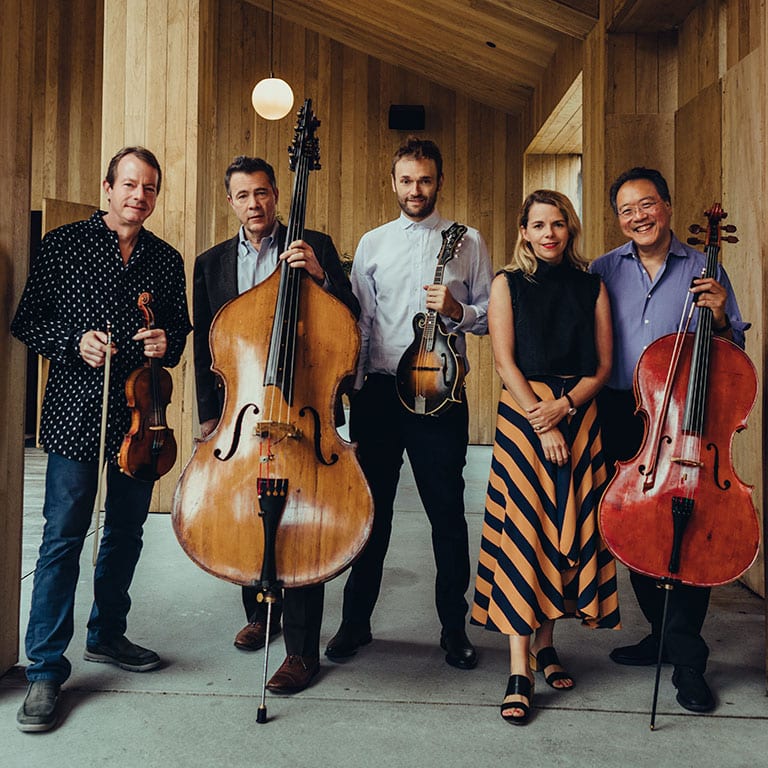
Silk Road Ensemble - Ma's Silk Road group treats Ravinia throng to a multicultural jam session
Chicago Tribune
ARTIST NEWS
Jonathan Biss/Wigmore Hall Live
09.18.09
Jonathan Biss
ConcertoNet.com
By Danny Kim-Nam Hui
By merely listening to the music, without knowing the information about the CD, it is hard to believe this is a recording of a live performance. The recording level is high, with a close and intimate sound similar to a studio recording. The performance is also technically immaculate, without noticeable indiscretion. And, most stunningly, the background is completely silent, without even one audience clapping their hands. At the start of the concert, the audience was asked not to applaud for the sake of an undisrupted coherence throughout the recital.
The recital is opened with Kurtág’s miniature Birthday Elegy for Judit (for the second finger of her left hand). Although Mr. Biss justifies his decision of paring these two works with only briefest of pauses in the CD leaflet, I do not notice any link between this atonal one-minute piece and Schubert’s large-scale classical sonatas. Nonetheless, it is an artistically innovative and courageous venture by the young pianist.
Unlike some pianists who adopt a more ‘classical’ approach for Schubert’s works, Mr. Biss underscores the expressivity and romantic side of the composer at the borderline of classicism and romanticism. The pianist’s fluent and varying paces brings to the surface the music’s ebb and flow, but somehow sacrifices the overall structure of the extensive artworks, particularly for the A major Sonata – his hastening runs evokes the Beethovenian impetuosity; and his frequent agogics and rubatos are almost romanticized. The harmonically chromatic middle section of the second movement of the A major Sonata is a telling example of his ebullience and directness, and the song-like finale was a full display of his intuitive sense of tempo-rubato. His slack pace for the broken phrases near the end sets a vivid emotional contrast to the fervent Presto coda. Mr. Biss’s other “romantic manner” is his dislocation between two hands in some expressive passages, for instance, the cantabile second subject of the Reliquie Sonata.
Notwithstanding, Mr. Biss achieves a fluidity of lines and taut impetus that never compromise his control and intelligence. In the first movement of the A major Sonata, for instance, Schubert’s exquisite colors of harmony are brought to life. In the slow movement, every appoggiatura is thoughtfully rendered so that the plain-spoken main theme comes across as insightful. What remains most impressive is Mr. Biss’s sense of warmth and sincerity, particular in the outer movements of both sonatas.
For encore, Mr. Biss delivered Kurtág’s other miniature Hommage à Schubert from the same series Játékok, making the recital an indivisible whole.
If Ingrid Haebler and András Schiff are the representatives of the “classical” approach, and Rudolf Serkin is the spokesman of the romantic interpretation of Schubert’s piano works, Jonathan Biss lies in between the two as an impartial ambassador. Although there is an abundance of fine recordings of Schubert’s piano sonatas, for live recordings, this CD is an advisable choice.